
Breaking Every Yoke:
A Reflection from AEYA 2026
May 6, 2026
By UCA Assembly, Amelia Lavaki and Christian Conol
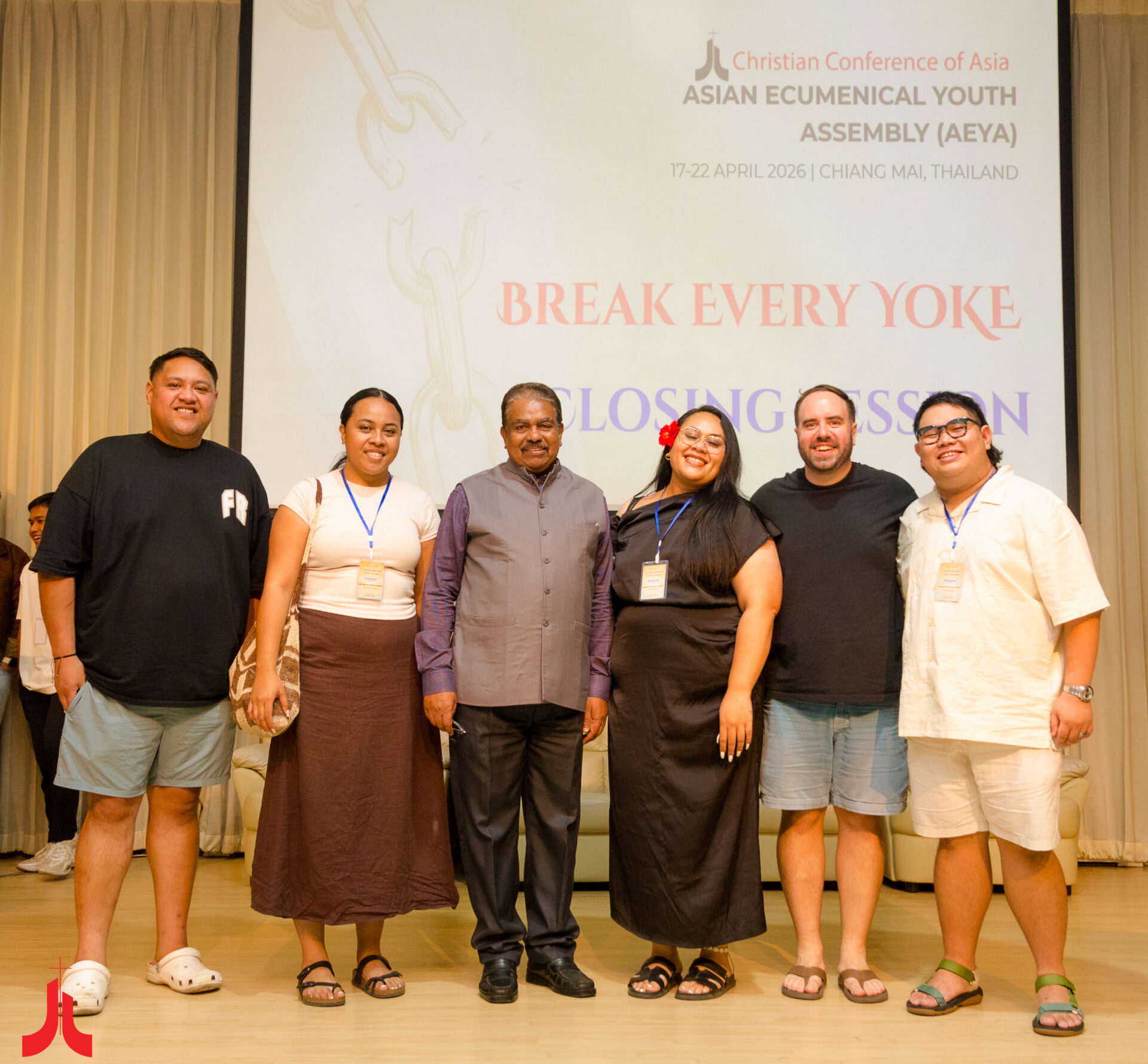
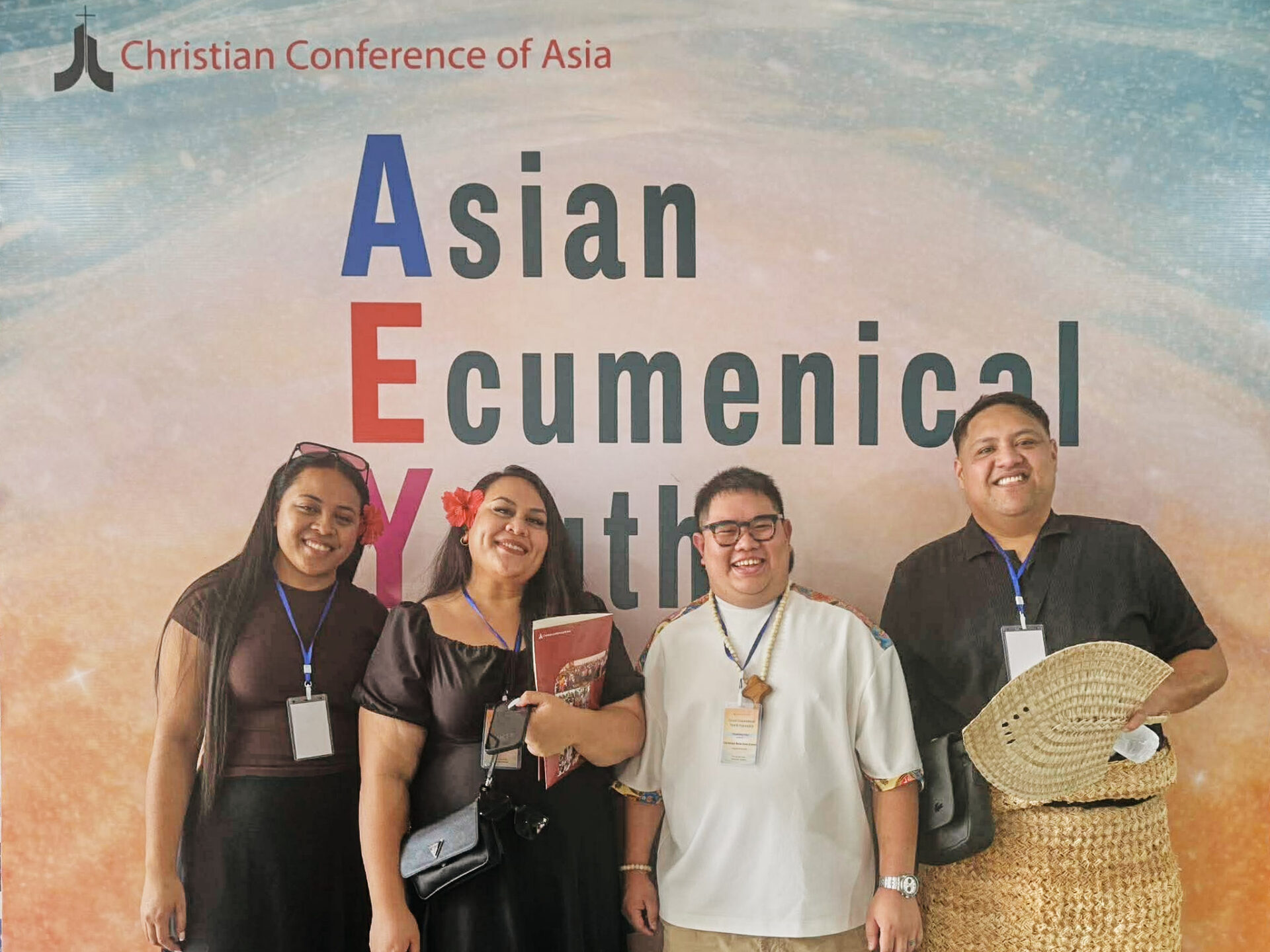
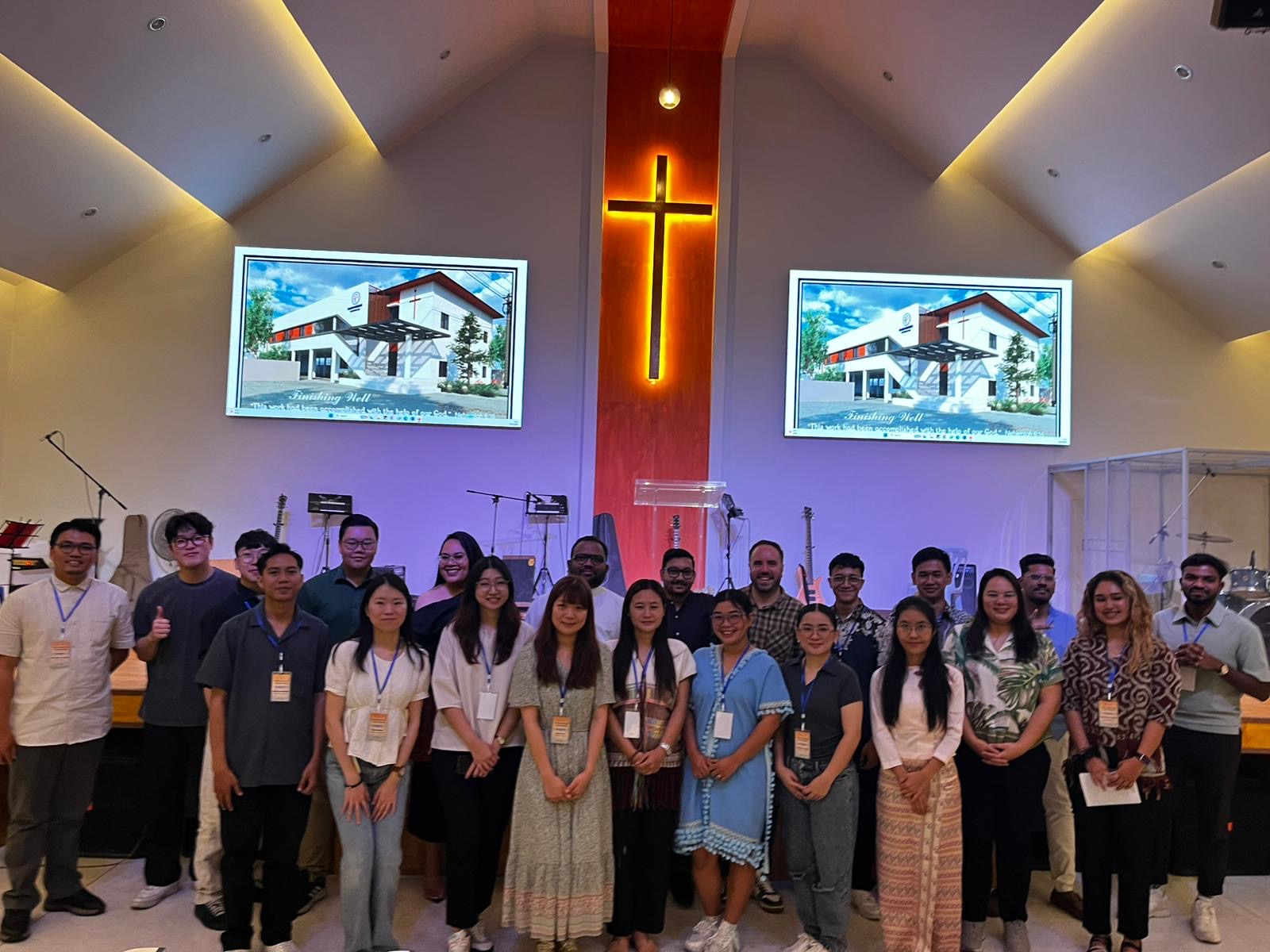
In May 2026, four young leaders from the Uniting Church in Australia travelled to Chiang Mai, Thailand, to take part in the Fifth Asian Ecumenical Youth Assembly (AEYA 2026) — a gathering of young Christians from across Asia united under the theme "Break Every Yoke" (Isaiah 58:6).
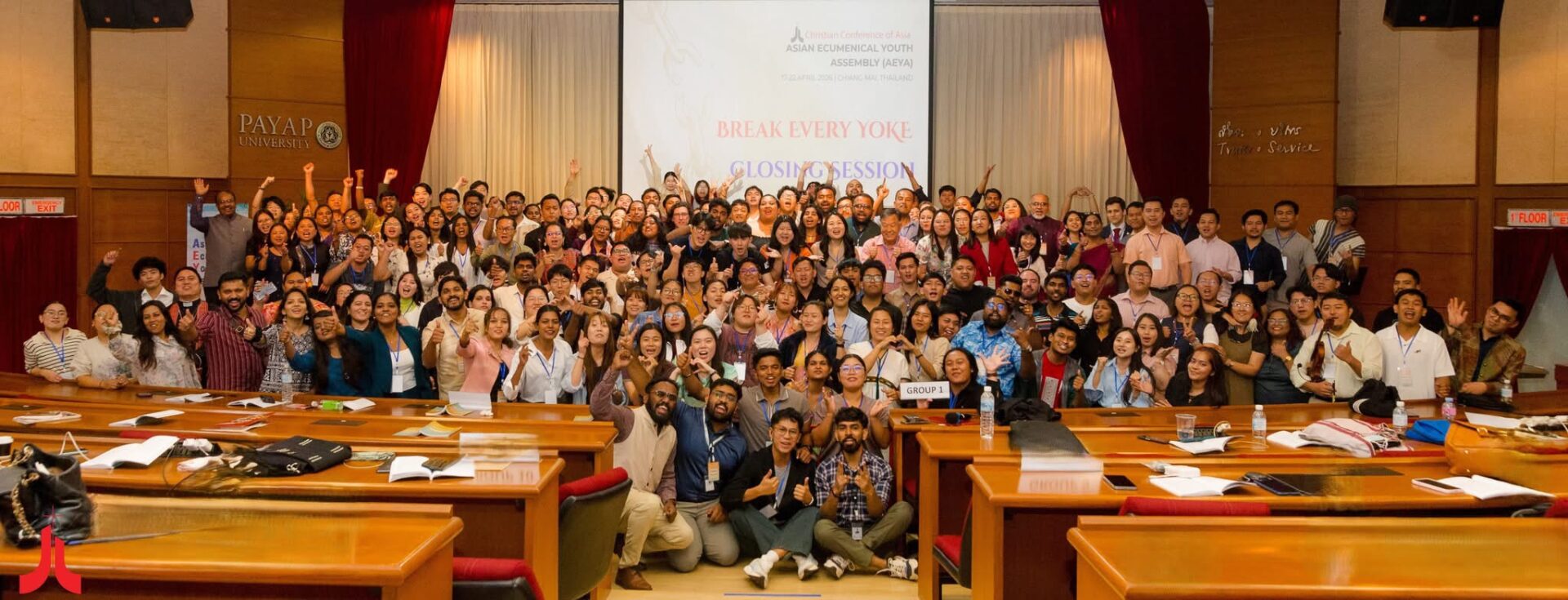
Hosted by the Christian Conference of Asia at Payap University, AEYA brought together voices from across the region to wrestle with questions of justice, migration, identity, and what it means for the Church to be one body in a fractured world. For Amelia Lavaki, Christian Conol, David Toogood and Sione Hehepoto the experience was both deeply personal and profoundly challenging — a reminder that faithfulness calls us beyond our own borders, and that solidarity with our neighbours near and far is not optional but Gospel.
We invite you to read their reflections below.
Amelia Lavaki
Subscribe to our newsletter
If you want to get the latest news from the Uniting Church in Australia then subscribe to our weekly newsletter delivered to your inbox.
I am deeply grateful for the opportunity to attend the Fifth Asian Ecumenical Youth Assembly (AEYA 2026) in Chiang Mai, Thailand, representing the Uniting Church in Australia alongside other young leaders from across the region. It was a privilege to share in the wider story of the global Church and to witness the richness of our shared faith across cultures and contexts.
The theme of the Assembly, "Break Every Yoke" (Isaiah 58:6), invited us to reflect on what it means to live out our faith in action — loosening the bonds of injustice and walking alongside those who are most vulnerable.
Prior to attending, I took time to better understand the meaning of "ecumenical," which speaks to the unity of Christians across different denominations and traditions. Experiencing this in practice was deeply meaningful. Young people from across Asia gathered with diverse stories, languages, and cultural identities, yet were united in Christ and in a shared commitment to justice and faith.
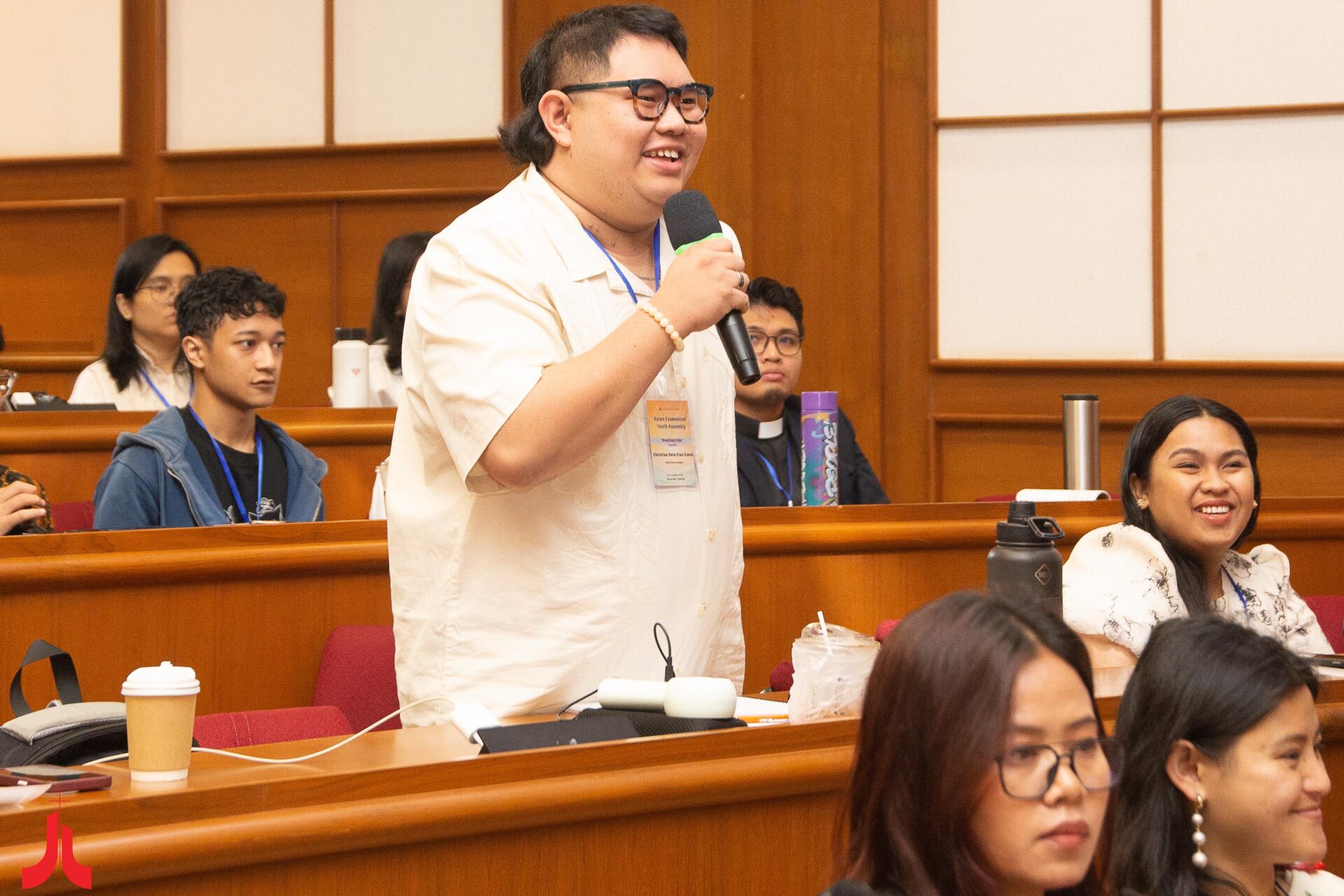
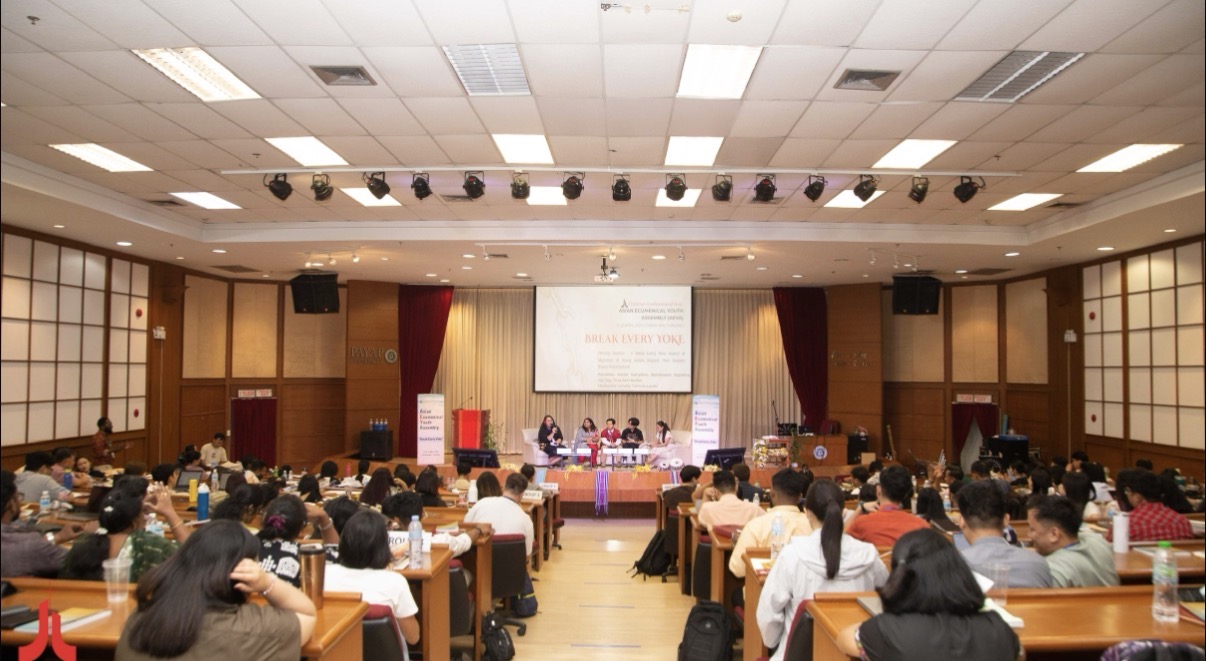
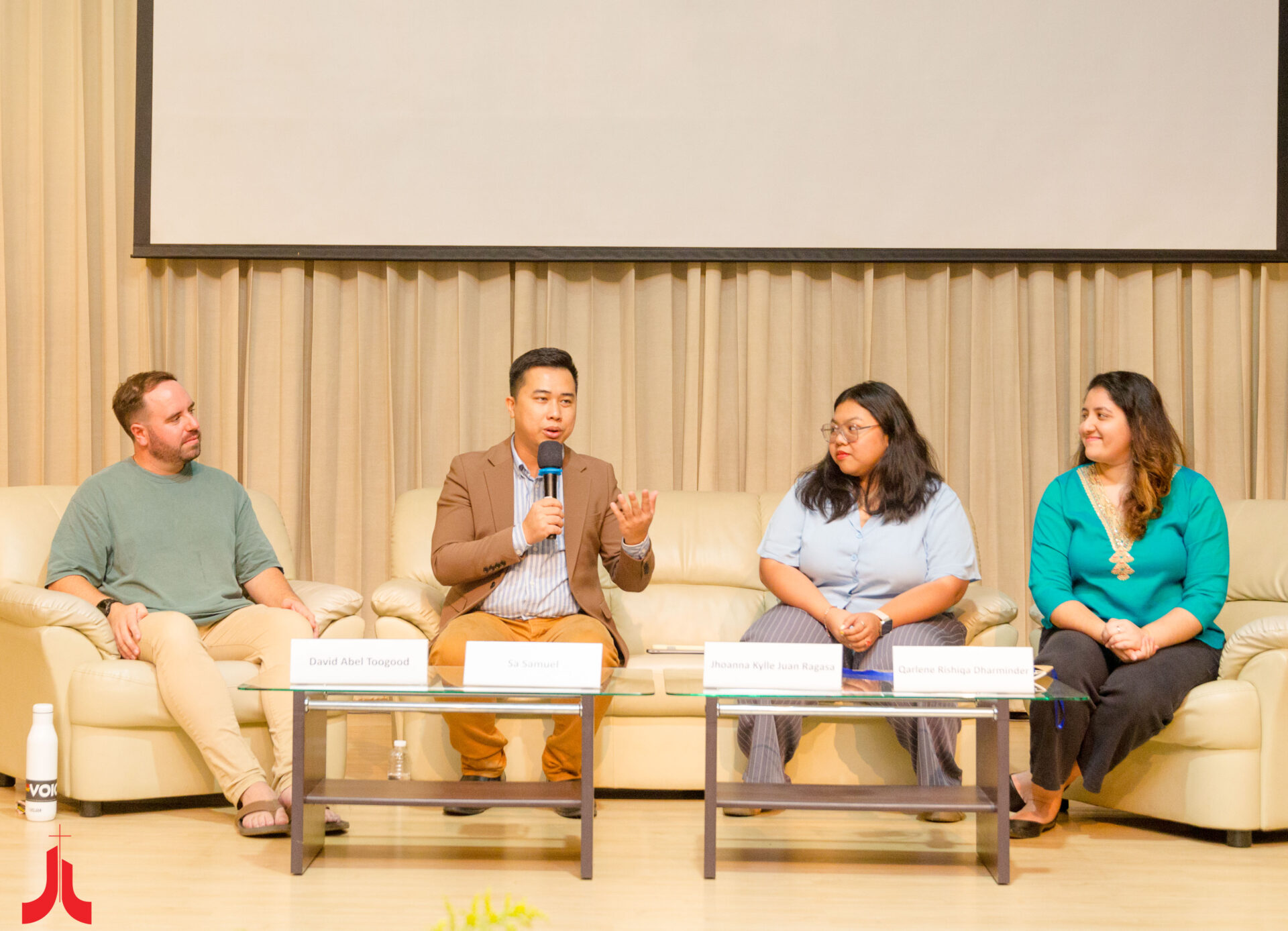
One of the highlights of AEYA was the opportunity to participate in a plenary session as a panel moderator, focusing on the impact of migration on young people across Asia. This role was both a privilege and a responsibility. It involved holding space for complex and often difficult stories of displacement, separation, and the realities many face in seeking safety and opportunity. It reinforced the importance of listening with care and ensuring that these voices are heard.
This experience also prompted reflection on the role of the Church in Australia. While our context differs, we are called to respond with compassion and intention. Supporting migrants may involve creating spaces of belonging, offering practical care, listening to lived experiences, and advocating for dignity and justice. In doing so, we live out the Gospel in tangible ways.
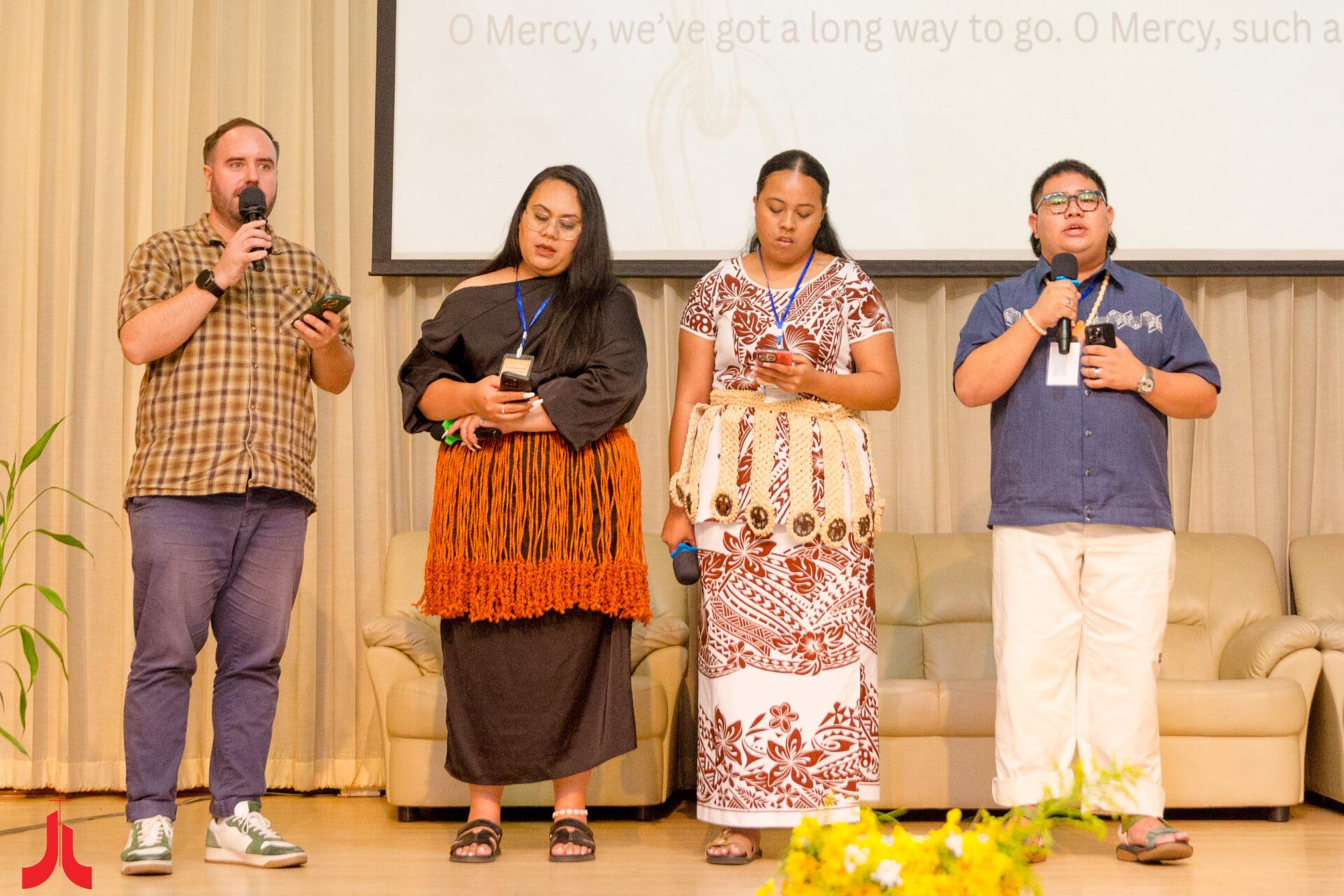
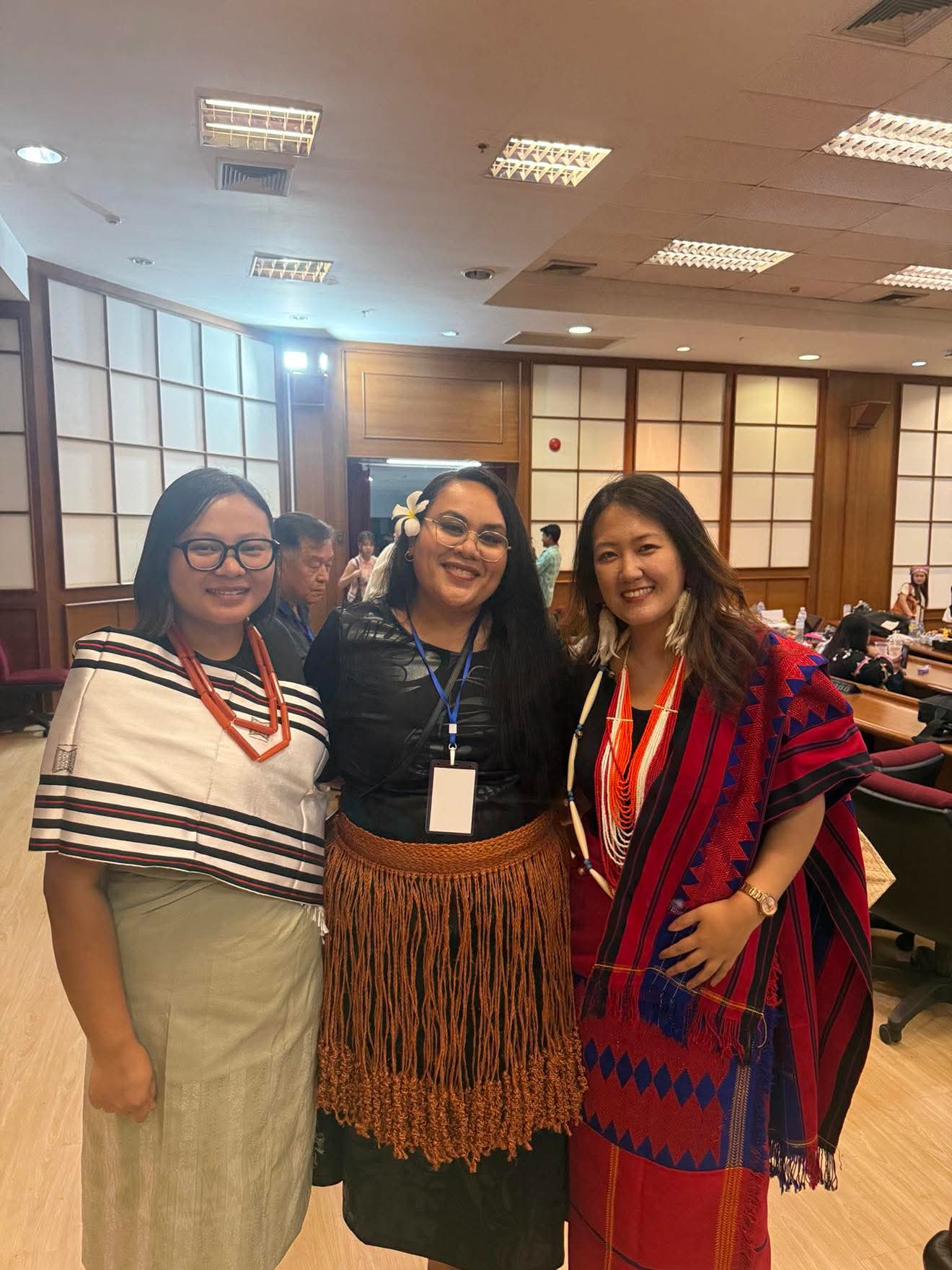
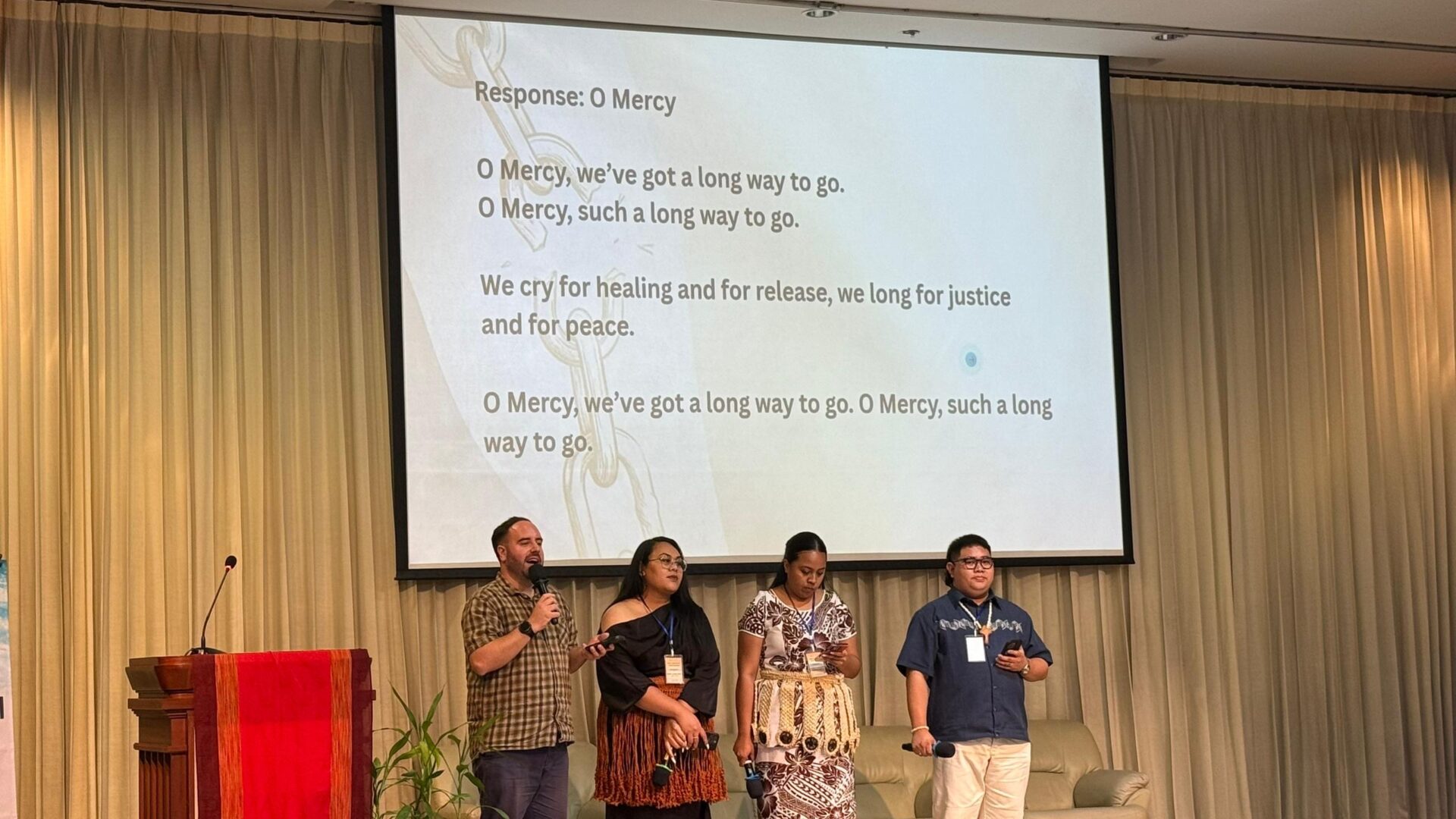
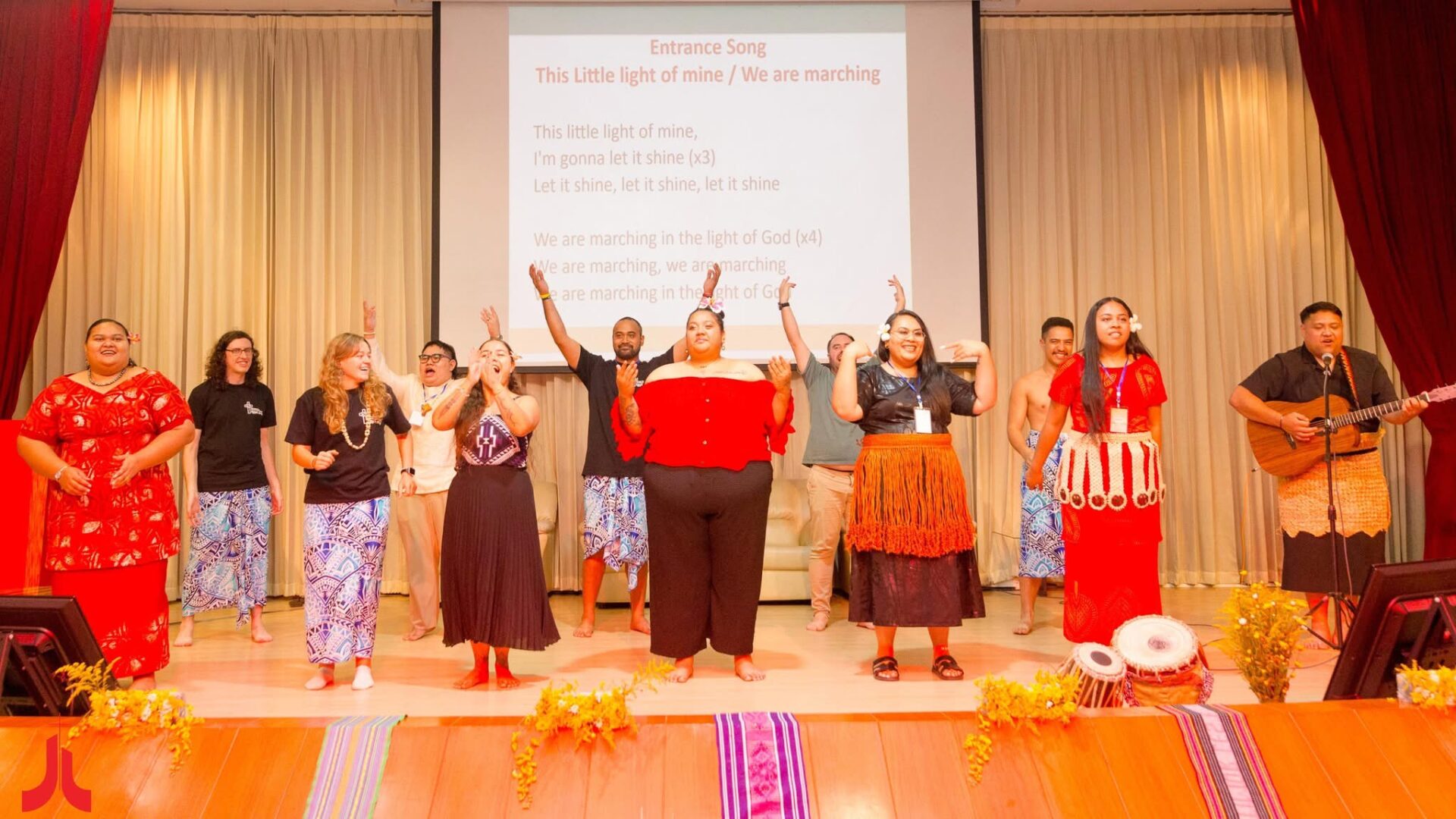
The Assembly also provided moments of deep connection through worship and cultural expression. During the prayer gathering, we represented Australia while acknowledging and honouring our First Peoples, recognising the importance of this story within our national and faith context. Cultural night further reflected this sense of unity, as participants from the South Pacific — Australia, Aotearoa New Zealand, Samoa, and Tonga — came together in a shared expression of identity and community.
Hearing the lived realities of others was both humbling and confronting. Many participants come from contexts where they are minorities as Christians and experience restrictions on freedom of expression and belief. Others face displacement, limited employment opportunities despite strong education, and ongoing gender inequality.
At the same time, their faith and commitment were deeply inspiring. Despite more limited economic contexts, their churches were vibrant and well-resourced spaces of worship. This demonstrated a strong commitment to offering their best to God and prioritising the life of the Church.
This led me to a simple but challenging realisation: we have no excuse. Even in small, practical moments, this became evident. On our first night, access to clean water was disrupted, and we relied on bottled water after a long day of travel. While a minor inconvenience, it was a reminder of the everyday realities many communities experience.
Returning to Australia, I have gained a renewed appreciation for clean air, safety, and the freedoms we often take for granted — the ability to worship, speak, and live without fear.
I also reflect with gratitude on the sacrifices of our parents and grandparents, who migrated here in the hope of a better future. Because of them, many of us begin from a place of opportunity. This invites an important question: how are we using what we have been given?
AEYA was more than a gathering; it was an invitation to transformation. I return encouraged, challenged, and committed to living out the call to "Break Every Yoke" within my own context.
Christian Conol
If you had asked me three years ago about where I was in my faith journey, I guarantee that attending an ecumenical conference with young people in Chiang Mai talking about the yokes young people face across Asia would have been the furthest from whatever my answer would have been then. I joined the UCA approximately three years ago and have been incredibly blessed to have been offered so many opportunities to be of service to the Church.
In October last year, I was blessed with the opportunity to go to the UCA President's Conference in Tonga. I said yes and had an incredible and formative experience speaking to church leaders about the weaving of Christ's love into our personal and professional lives and our relationships with others. I was again blessed to have the opportunity to engage internationally through the Asian Ecumenical Youth Assembly organised by the Christian Conference of Asia at Payap University in Chiang Mai, Thailand.
The Asian Ecumenical Youth Assembly was one very real way of demonstrating the weaving of every experience, tradition, culture and colour in the journey to building one whole body of Christ. A Church united in and through Christ. The Assembly's theme was "Break Every Yoke" and young Christians from across Asia were challenged to not simply be inheritors of ecumenism, but become the movement's leaders now. We were challenged to embody God's liberating mission and resist the co-opting of faith for political ends. The Assembly highlighted the important role of young Christians as prophetic voices for peace, justice, doctrinal and social renewal, and Christian unity.
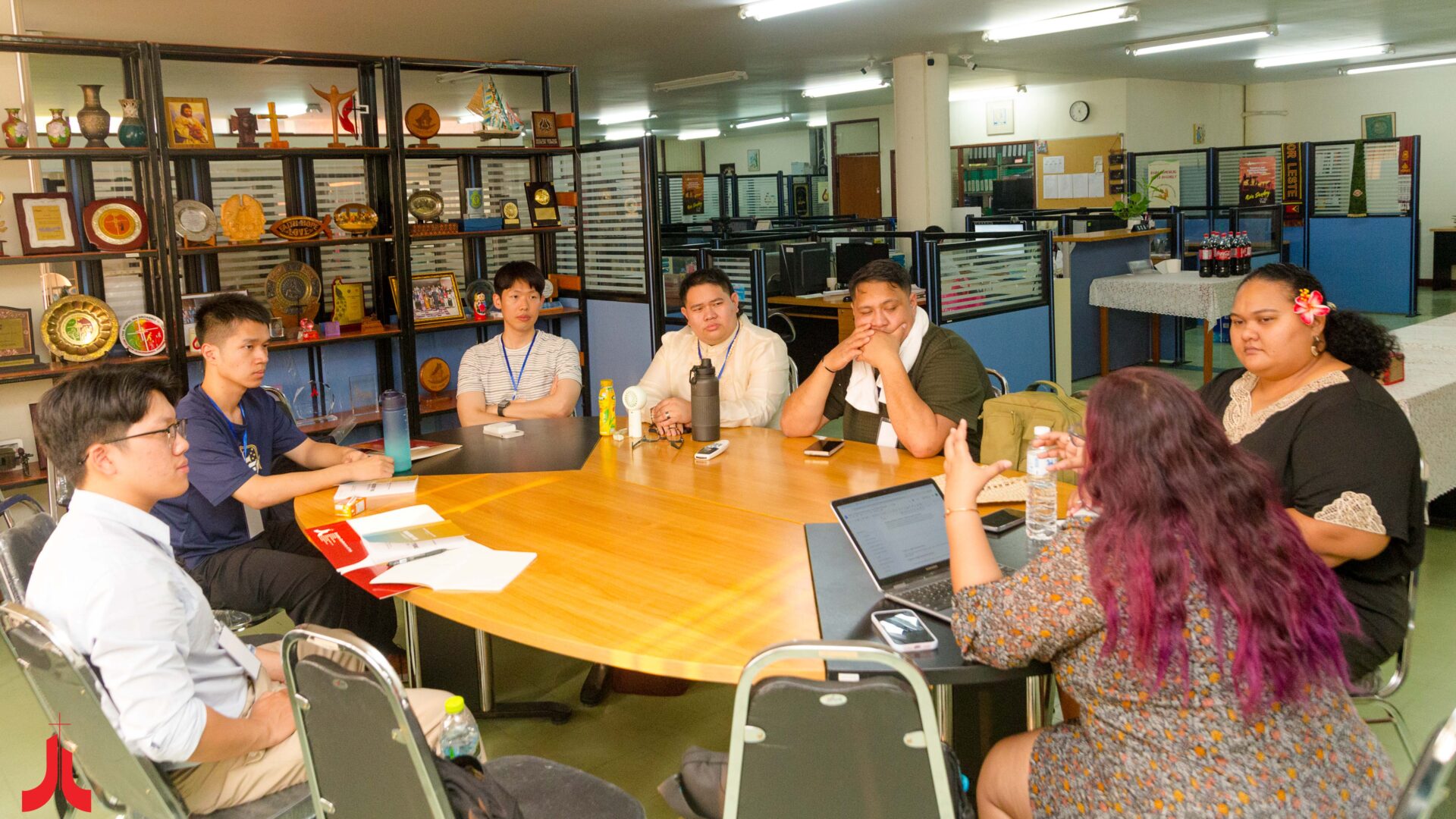
Being Filipino and Australian, I have personally lived the tension of being in two worlds. During the conference, sitting in that tension was a great asset. I was able to identify with and talk about the issues faced by young people in the Philippines and Australia. I was also able to speak to my personal experience of migration, its impact on myself, the family I migrated with, and the family and community I left behind. Other delegates shared that migration was not merely just physical movement but a reshaping of identity, faith, and family life. We were challenged to help the Church create safe and authentic spaces for belonging. We also spoke about the Church's role in helping migrants with the challenges of identity fragmentation, and the loss of anchors such as family and community.
It was an incredible experience to meet and connect with the leaders of the Church across Asia — people who were taking up ministries in conflict areas, Christian activists, student ministers and emerging church leaders. It was also incredibly humbling to speak to young people who are going through social and political upheaval in their home countries but have been unwavering in their faith. When I think about what I was going to bring home from the Assembly other than a renewed spirit of ecumenism, it was newfound solidarity with our co-workers in God's vineyard.
I am so grateful for this experience, which I would not have been able to attend without the support of the Church.
David Toogood
As culture has shifted into deeper and deeper senses of individualism—the temptation is to make faith all about the individual—but the Gospel opportunity is for the church to be a place where people can find truly authentic community.
The world today feels increasingly like people are retreating to more insular and guarded ways of being—preferring to spend their time, vote for policies, limit their experience, and engage with their religion by prioritising those who look, sound, believe, and vote the same way as them. In this world, the temptation for the church is to retreat into itself, and the temptation for denominations is to focus on differentiating themselves by what sets them apart rather than opening our arms to what brings us together. The opportunity—the zag to the world's zig—that this moment presents the church is to lead the way in radical inclusion, to show the world what it looks like to respond to the call of Christ that his followers would be ‘one’ as he is one with the Father.
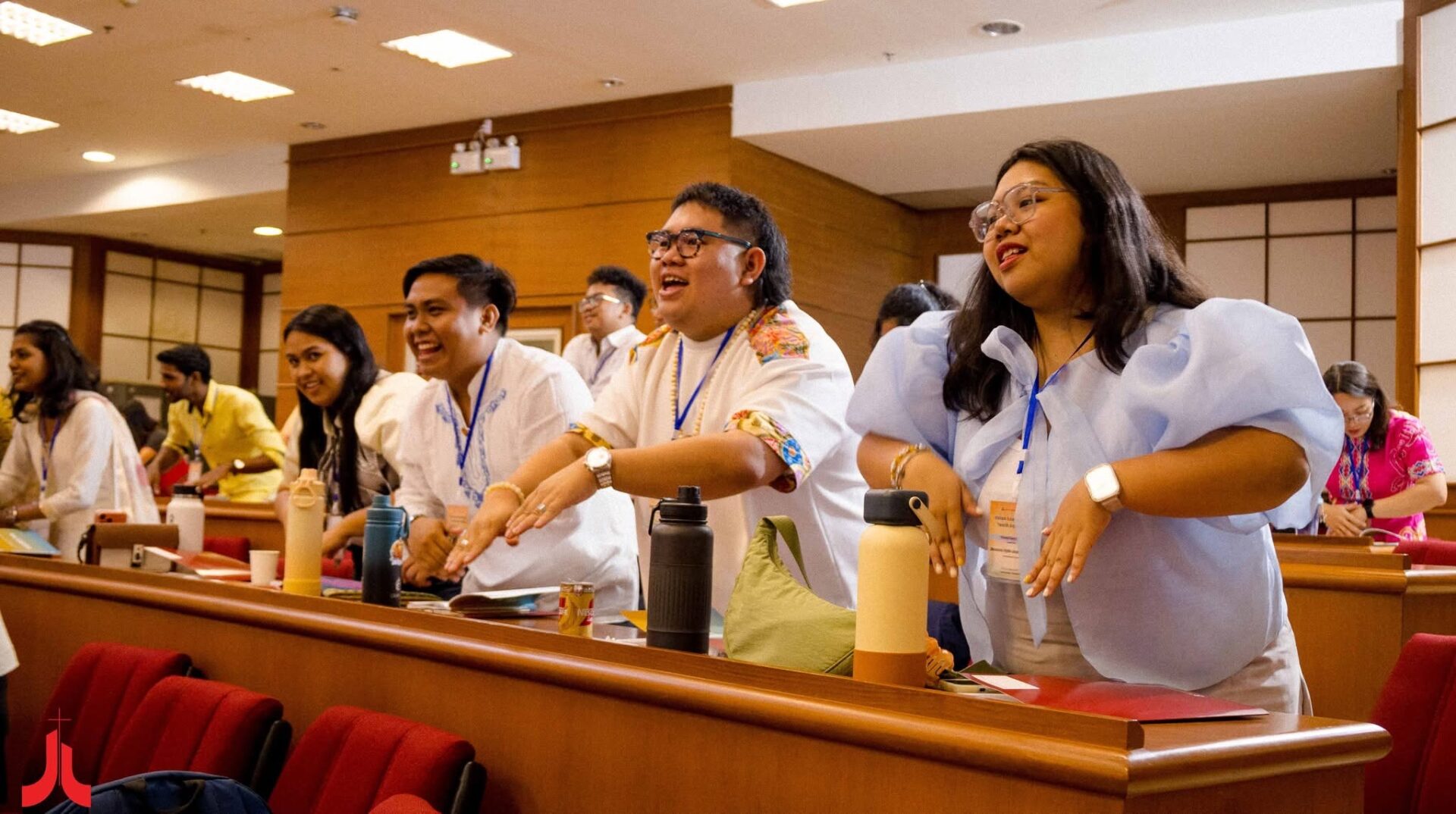
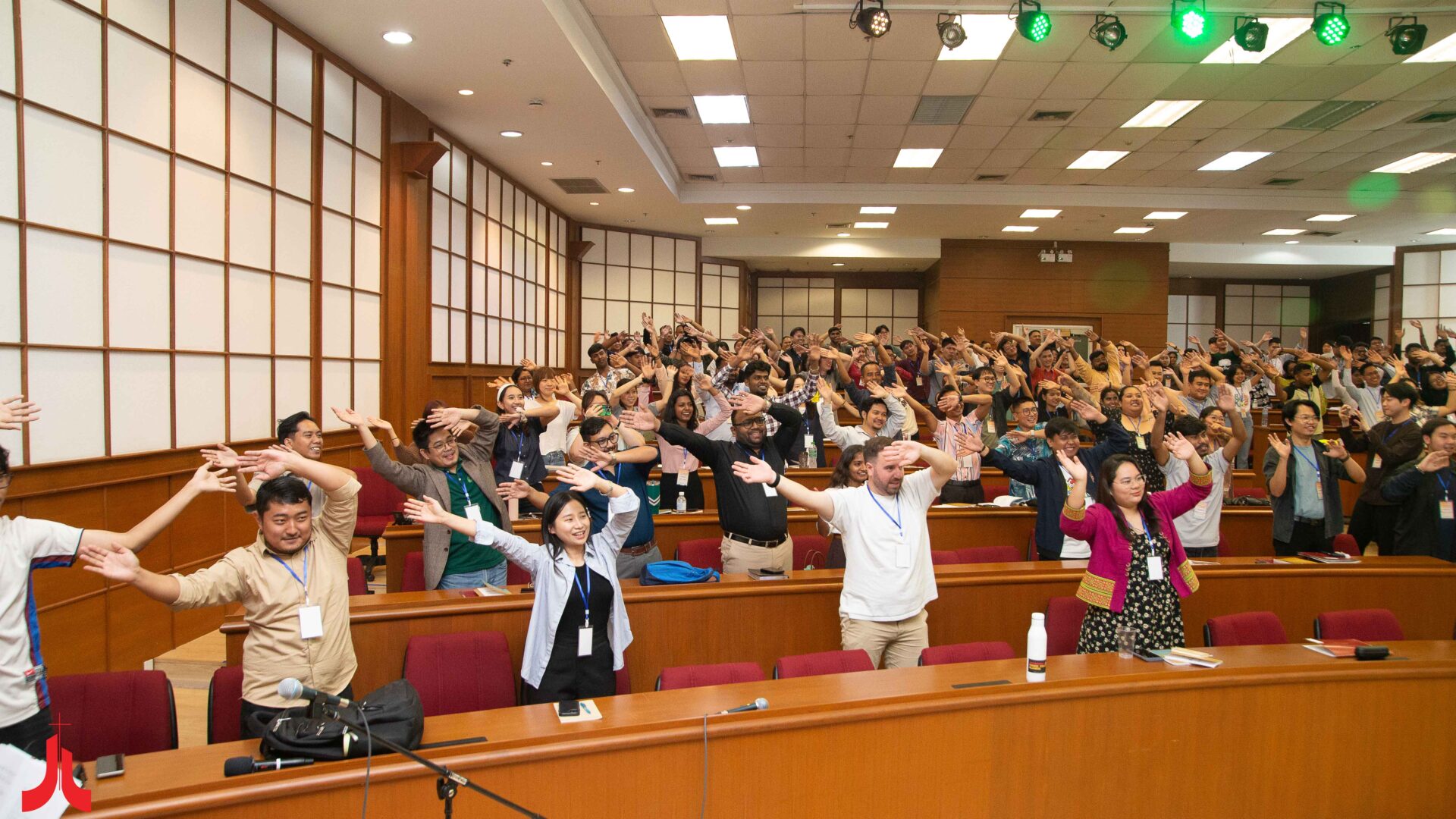
I recently experienced a powerful example of this at the Asian Ecumenical Youth Assembly in Chiang Mai. Over 200 delegates from many denominations and 22 countries gathered to share faith, stories, and struggles, and pose the question—how can we as young Christians respond to some of the great challenges of our time?
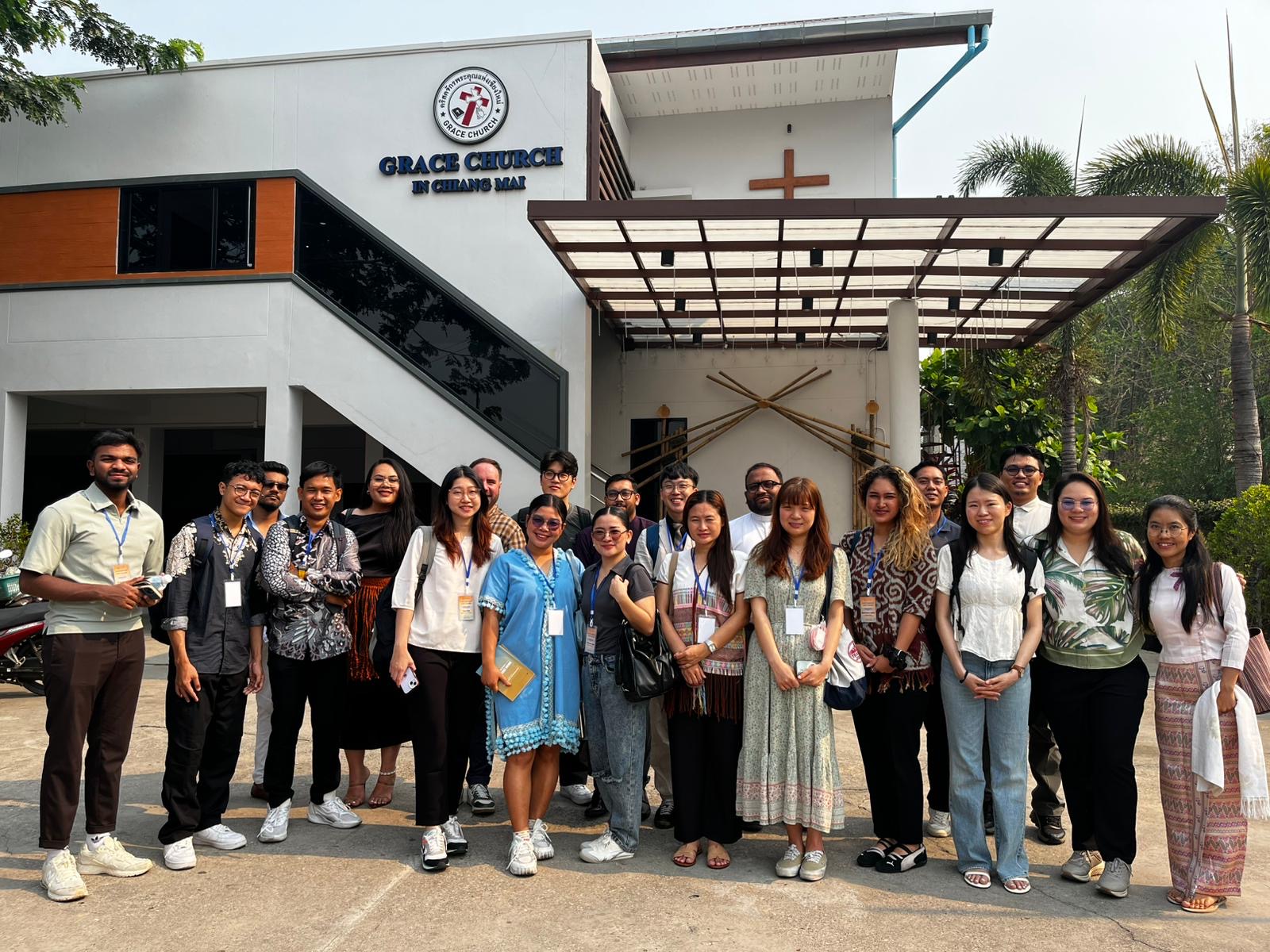
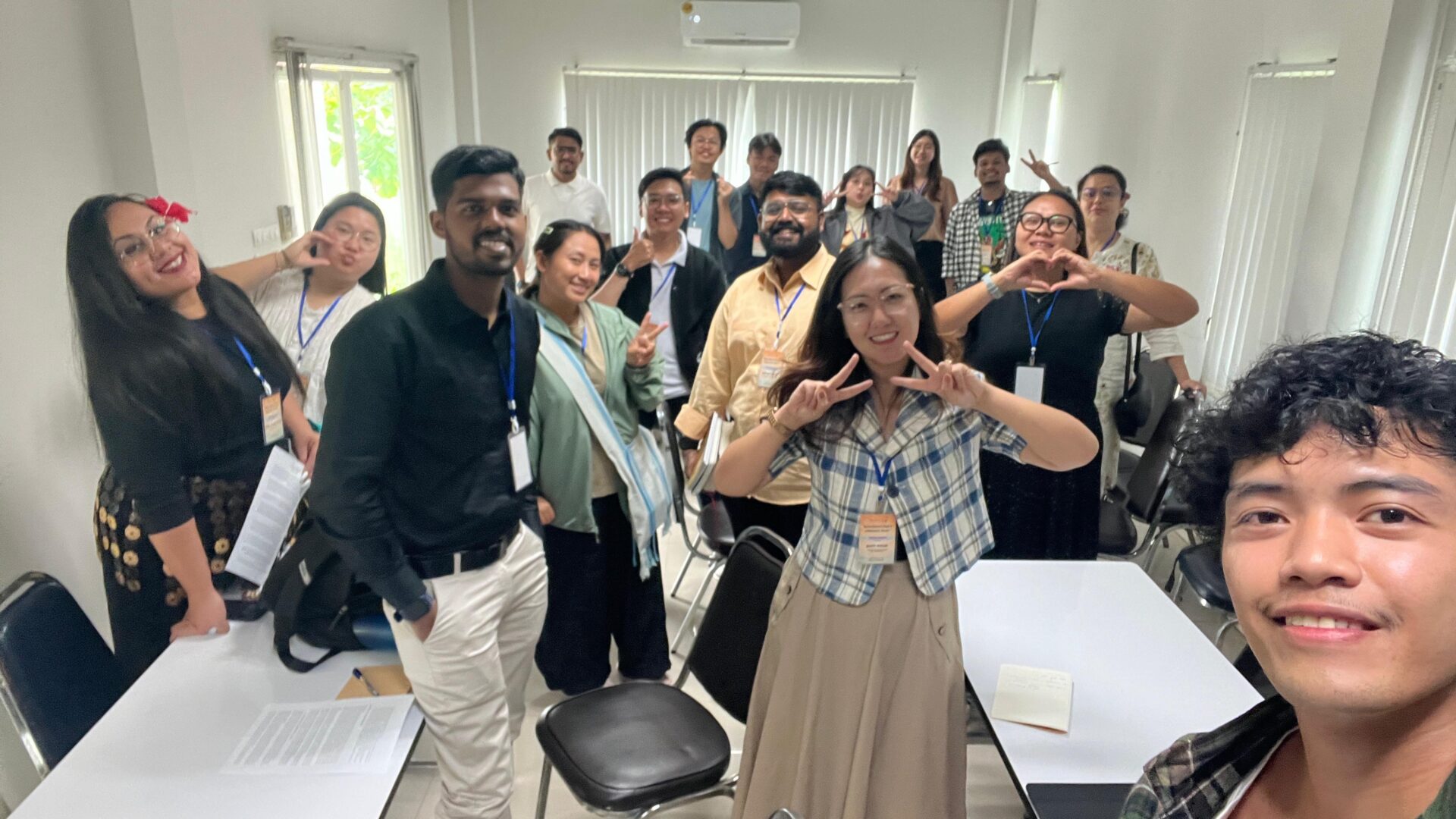
In dialogue on everything from climate change to integrity in governance and how we think about technology, from mental health to migration flows, economic justice, and more—we found that there is far more that unites us than divides. Over shared stories around mealtime tables and the conversations that happen in the margins of the program schedule, we created deep connections and came to a greater understanding of the contexts we each had come from. In experiencing local churches in a place most of us had never been, in the rich sharing of laments from our homelands, and in the celebration of our cultural traditions, we found much commonality but also learned empathy for and true appreciation of our differences. In the laughter, the late nights, the adventure of no running water (for only a short while!), and the many MANY 7-11 runs, we formed friendships to last a lifetime. We experienced what it is to be ‘one’ as Christ calls us to be.
Coming home, I have a renewed and reenergised appreciation of ecumenism and a desire to engage in these spaces more. I have an international and cross-denominational network of friends and colleagues in ministry who share a commitment to continued leadership and action from a faithful perspective on many of the challenges facing our corner of the world today. I also have a deep desire to engage more broadly across the cultural expressions of our Uniting Church, and to really celebrate the diversity of peoples we represent.
I think it would be hard to overstate the value an experience like this can bring—both to the broader church and to the lives of the individuals who are fortunate enough to be selected as delegates to attend. I would like to express my deep gratitude to the Uniting Church for its commitment to creating opportunities such as this for young leaders, and more broadly, to being a church that seeks to define itself by what we can do to bring all peoples together.
Meki Senituli
Sione Hehepoto
Participation in the Asian Ecumenical Youth Assembly (AEYA) was experienced not simply as an opportunity, but as a profound moment of calling—one that carried both privilege and responsibility. There was a deep awareness that attending such a gathering meant representing more than oneself; it meant embodying, in some small way, the voice and spirit of the Uniting Church in Australia. This awareness cultivated a posture of humility, alongside a desire to listen attentively and engage authentically with others.
What proved most striking throughout the assembly was the diversity and depth of experiences shared by young people across Asia. Conversations were not abstract or theoretical; they were grounded in lived realities marked by economic inequality, forced migration, political repression, ecological crisis, and the everyday pressures shaping young lives. These stories challenged any tendency toward complacency. Living in Australia often affords freedoms—of speech, worship, and movement—that are not universally guaranteed. For many at AEYA, even peaceful protest involves significant personal risk, and for some, digital spaces become the only viable means of expressing dissent.
Yet, alongside these differences, there emerged a profound sense of shared struggle. The issues discussed were not confined to one region but resonated across contexts, including the Pacific and Australia. This realisation disrupted simplistic binaries between “here” and “there,” instead revealing a deeply interconnected world where injustice and hope coexist across borders.
One particularly meaningful conversation took place with a delegate from Indonesia, who raised questions about navigating patriarchal gender roles within the family. In response, there was an opportunity to reflect on a lived experience where traditional expectations had been reimagined: a household in which the mother serves as the primary breadwinner, and the father, living with a disability, takes on caregiving responsibilities. This exchange highlighted that relationships are rarely defined by rigid equality but are better understood as dynamic and adaptive—like a dance, shaped by mutual support and shared commitment. At its core, genuine love resists ego and invites a reordering of roles for the sake of the other.
Being invited to lead small-group Bible studies added another layer to the experience. While this role carried a sense of responsibility, it quickly became clear that facilitation was less about imparting knowledge and more about creating space for collective reflection. In this context, learning was mutual. The insight that “I received far more than I gave” captures the transformative nature of these encounters, where the Spirit was discerned not in authority, but in shared dialogue.
More broadly, AEYA reshaped an understanding of ecumenism. It was no longer simply about institutional unity but about connection across difference—standing in solidarity with those on the margins and engaging actively in the struggle against injustice. This has significant implications for ministry. It calls for intentionality, courage, and a willingness to use one’s voice in public ways.
As formation draws to a close, ministry is increasingly understood not as something confined to church settings but as a way of life expressed in everyday interactions. It is inherently public—a proclamation of Jesus Christ that is embodied in action as much as in word. Central to this calling is a commitment to listening, particularly to young people and those whose voices are often overlooked.
Ultimately, the experience of AEYA reinforces a fundamental conviction: that gifts, privilege, and influence are not for personal gain, but for the service of others. To honour those encountered is to live faithfully, truthfully, and with love—a commitment that continues to shape both ministry and life.
Related news
Tuvalu’s call: A partnership of faith, hope and action
Tuvalu’s call: A partnership of faith, hope and action The Uniting Church in Australia has renewed its partnership with the Ekalesia Kelisiano Tuvalu (EKT) this week, reaffirming a shared commitment to faith, solidarity and climate justice as Tuvalu faces an increasingly uncertain future. On the low-lying islands of Tuvalu, climate change is not a…
President concludes visit to Tonga
President concludes Tonga visit with strengthened Pacific partnerships Following a week of celebrations marking the 200th anniversary of Christianity in Tonga, Uniting Church in Australia President Rev Charissa Suli has concluded her visit with high-level meetings that strengthened the Church’s enduring commitment to partnership across the Pacific. The week-long bicentenary celebrations brought together thousands…
Walking Together in Faith and Hope: UCA renews Tuvalu Partnership
Walking Together in Faith and Hope The Uniting Church in Australia has renewed its partnership with the Ekalesia Kelisiano Tuvalu (EKT) this week, reaffirming a shared commitment to faith, solidarity and climate justice as Tuvalu faces an increasingly uncertain future.As rising seas continue to threaten the future of Tuvalu, the Uniting Church in Australia has…
Australian Catholic Bishops Conference
Reflections from the Australian Catholic Bishops Conference By Paul WallbankAhead of the Week of Prayer for Christian Unity, President Rev. Charissa Suli joined Heads of Churches and Christian leaders from across Australia for an Ecumenical Prayer Service hosted by the Australian Catholic Bishops Conference in Sydney last week. Held by the Bishops’ Commission for Christian Unity and Inter-religious Dialogue at the Mary MacKillop Memorial…
Breaking Every Yoke: A Reflection from AEYA 2026
Breaking Every Yoke: A Reflection from AEYA 2026By UCA Assembly, Amelia Lavaki and Christian ConolIn May 2026, four young leaders from the Uniting Church in Australia travelled to Chiang Mai, Thailand, to take part in the Fifth Asian Ecumenical Youth Assembly (AEYA 2026) — a gathering of young Christians from across Asia united…
Finding Common Ground in the Desert Heart
Finding Common Ground in the Desert HeartBeneath the expansive skies of Central Australia, church leaders from Australia and Aotearoa New Zealand are gathering this week for a time of shared discernment, strategic collaboration, and deep listening on sacred groundBy Michael ZewdieThis week, in the heart of Anangu Country, a time-honoured expression of ecumenical partnership is…
Uniting and Lutheran Churches hold first Dialogue meeting of 2026
Uniting and Lutheran Churches meet for DialogueSubscribe to our newsletterIf you want to get the latest news from the Uniting Church in Australia then subscribe to our weekly newsletter delivered to your inbox.Statement following LCA-UCA Dialogue meeting on Wednesday 11 February 2026 The Uniting Church, as a part of its commitment to the unity of the…
WCC Beijing 30+ Consultation held in Indonesia
WCC Beijing 30+ Consultation held in Indonesia The World Council of Churches’ Beijing 30+ Consultation marked 30 years since the 1995 Beijing Platform for Action The World Council of Churches (WCC) concluded its Beijing 30+ Consultation on Sunday after three days of intensive dialogue, theological reflection and advocacy on gender justice. Held in Jakarta,…