
WCC Beijing 30+ Consultation held in Indonesia
The World Council of Churches' Beijing 30+ Consultation marked 30 years since the 1995 Beijing Platform for Action
December 10, 2025
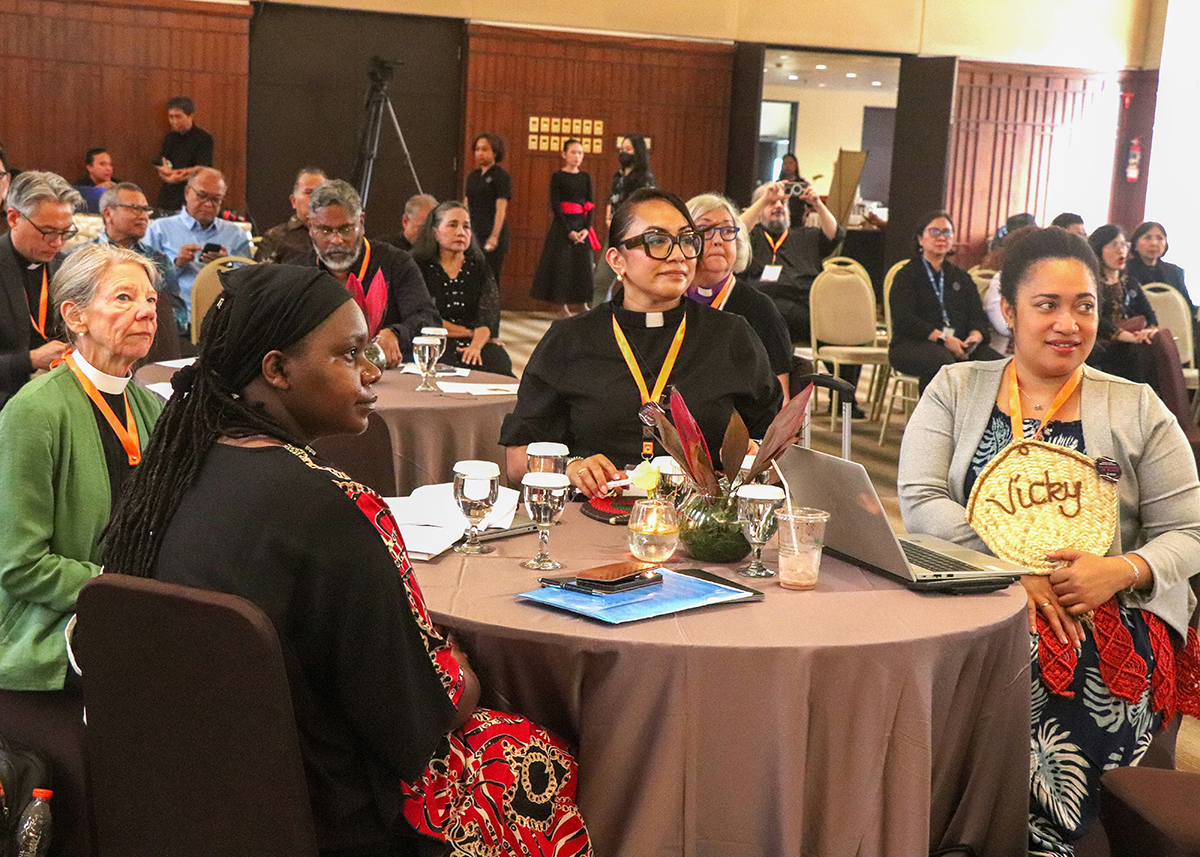
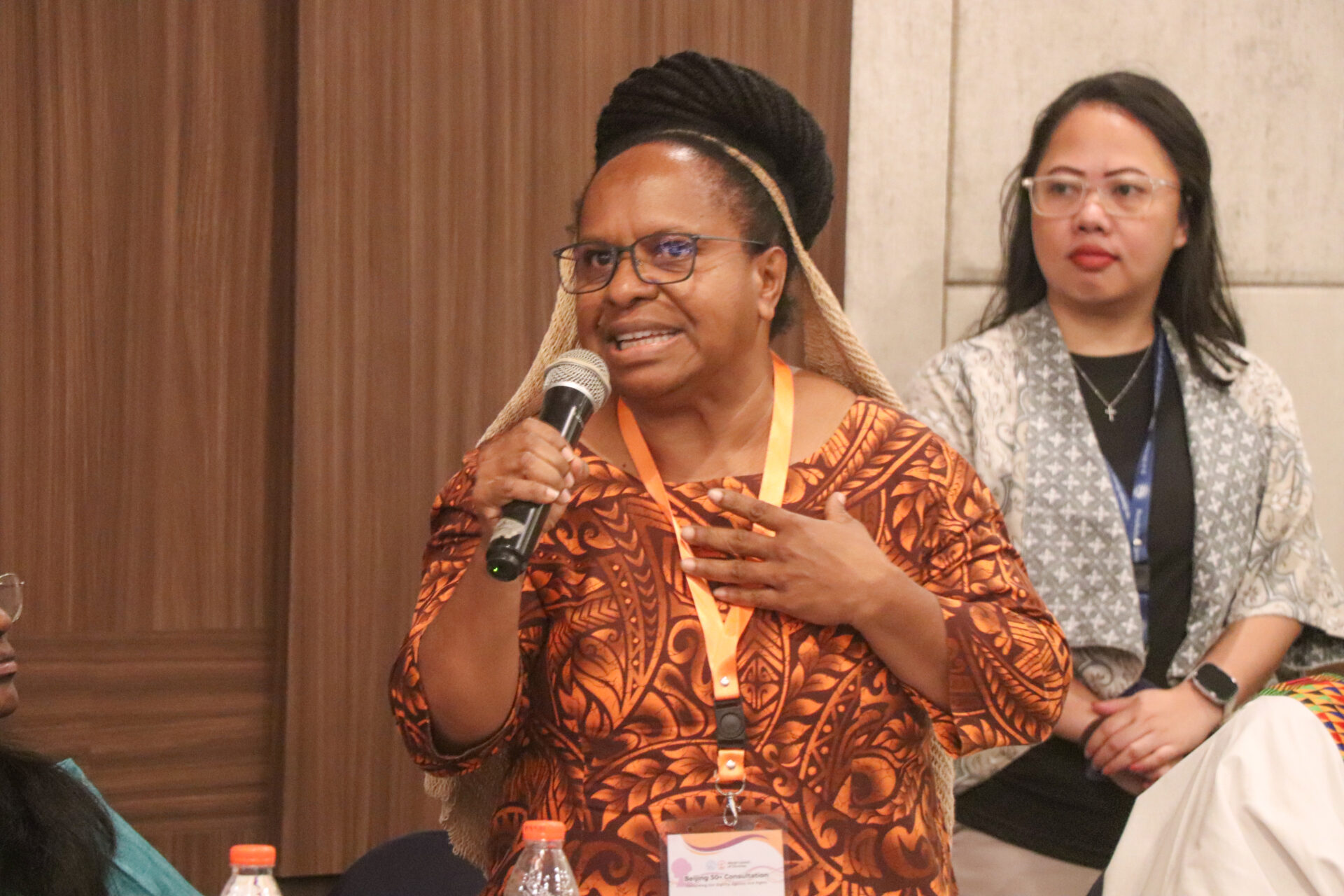
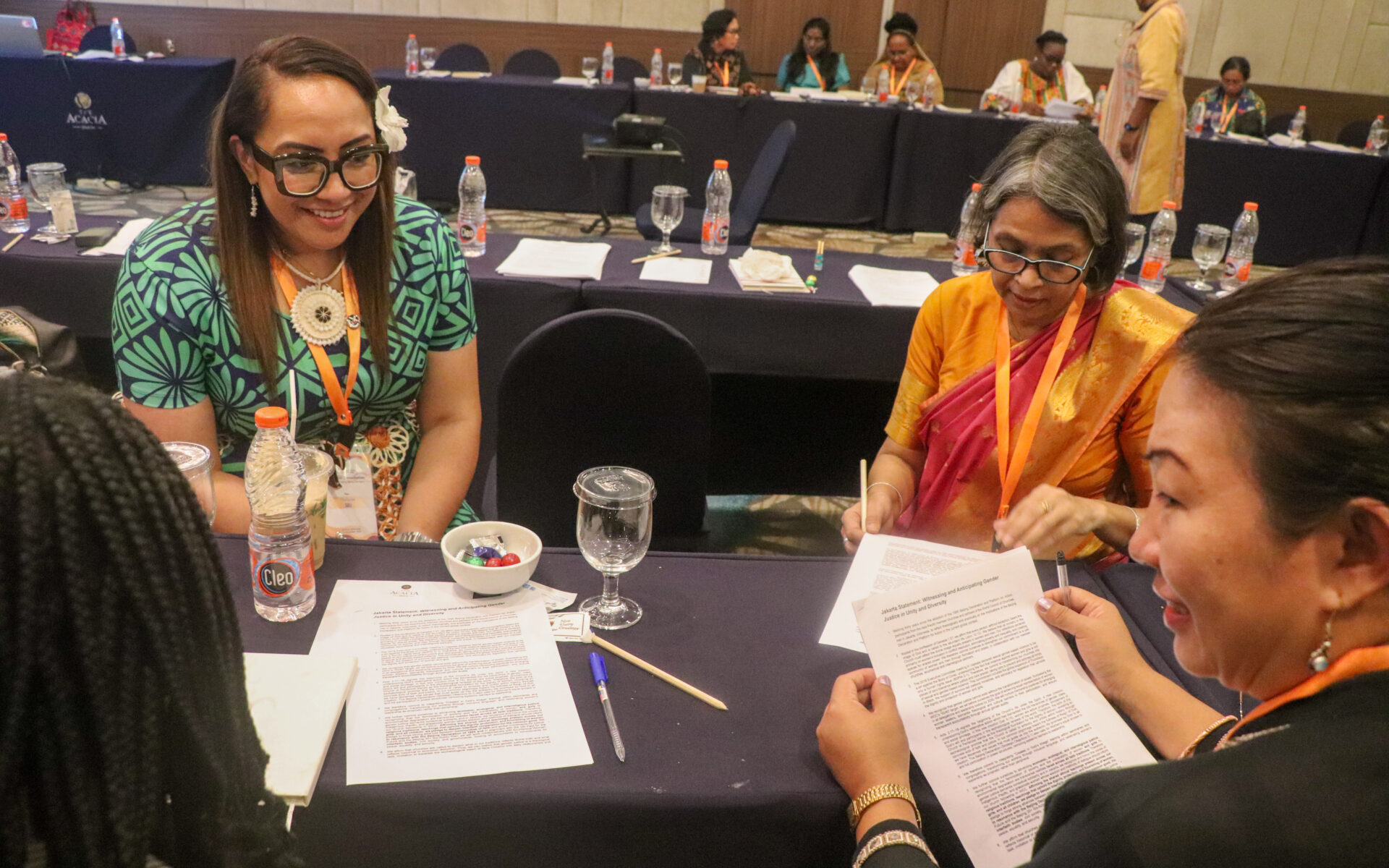
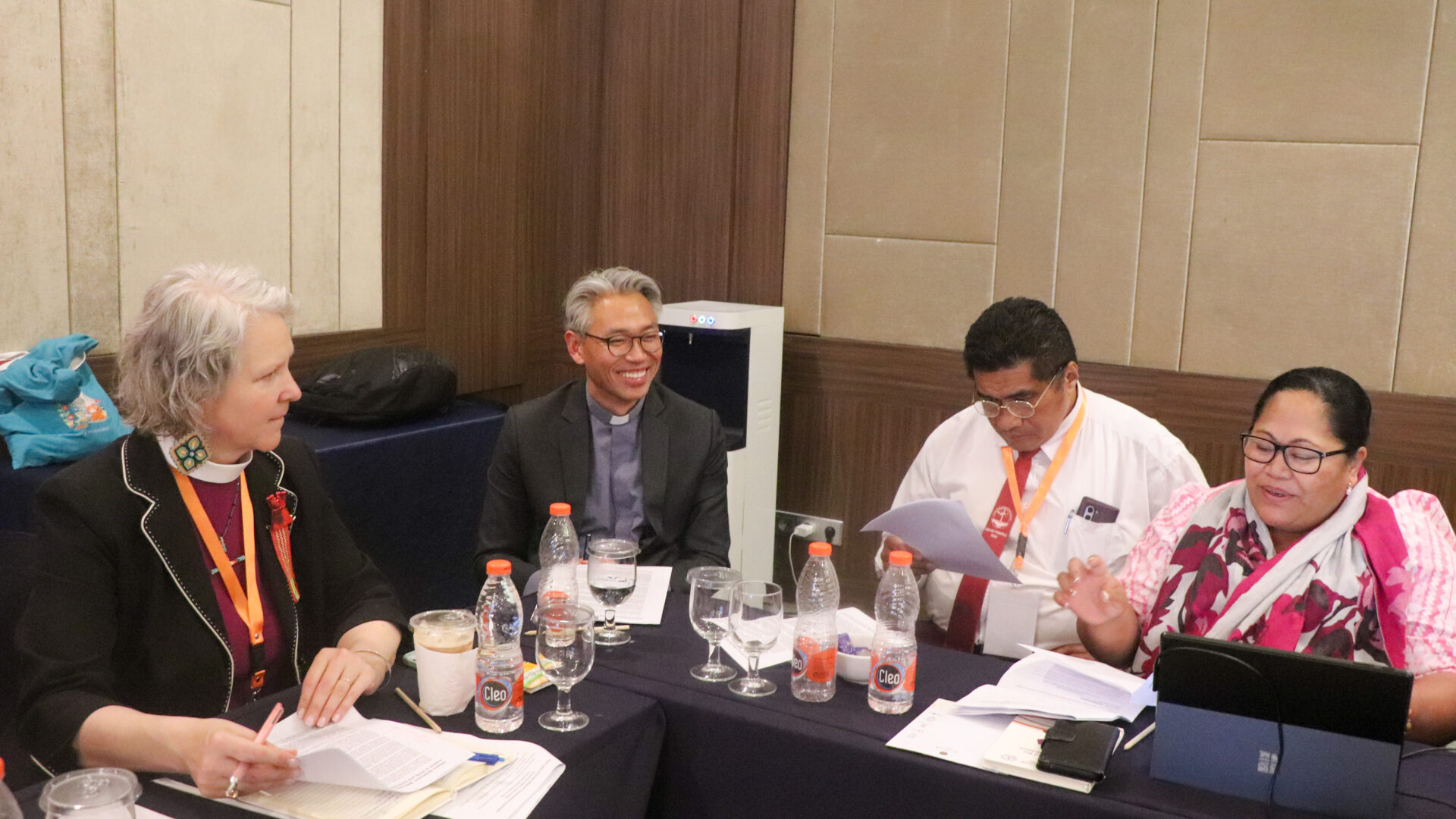
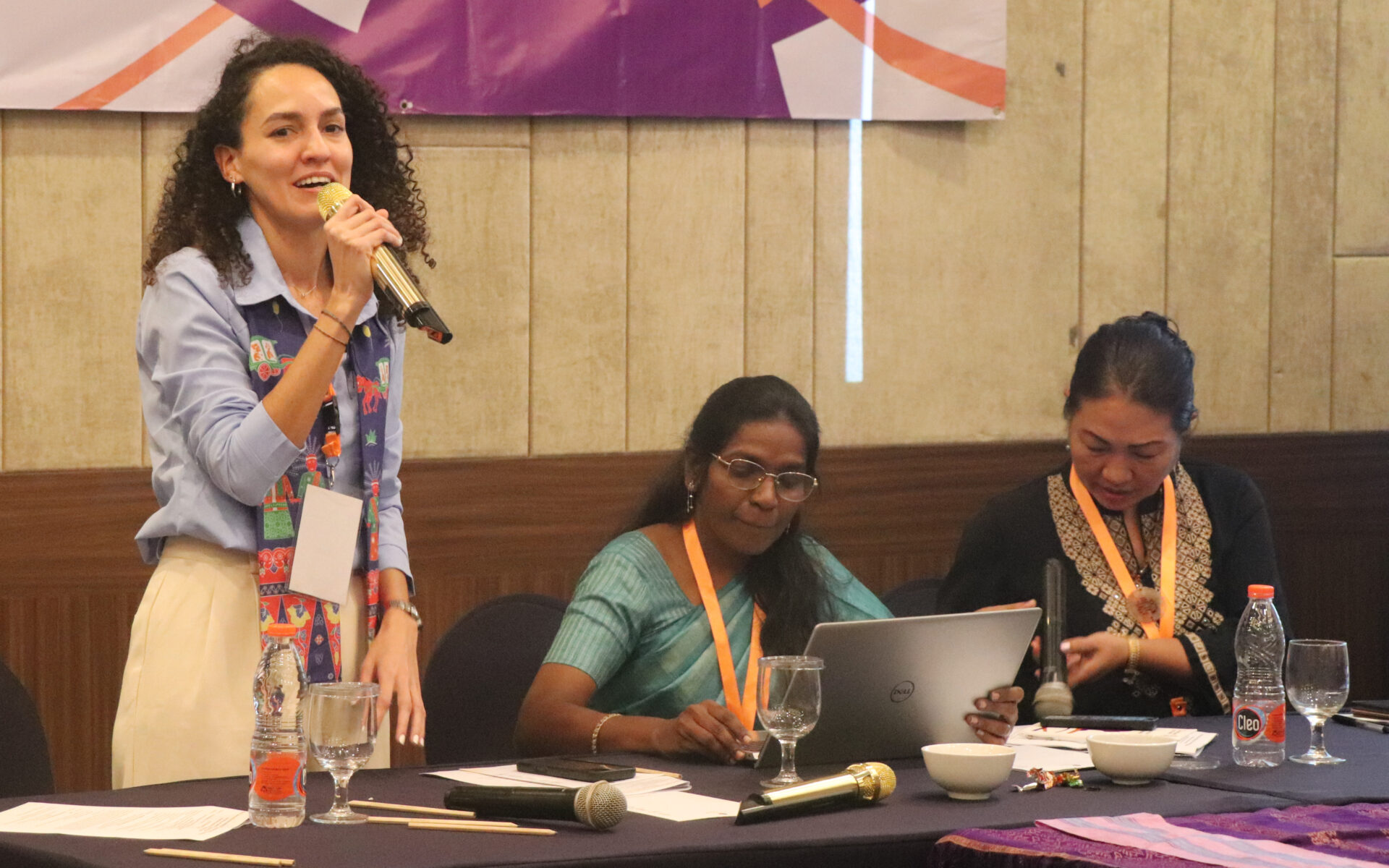
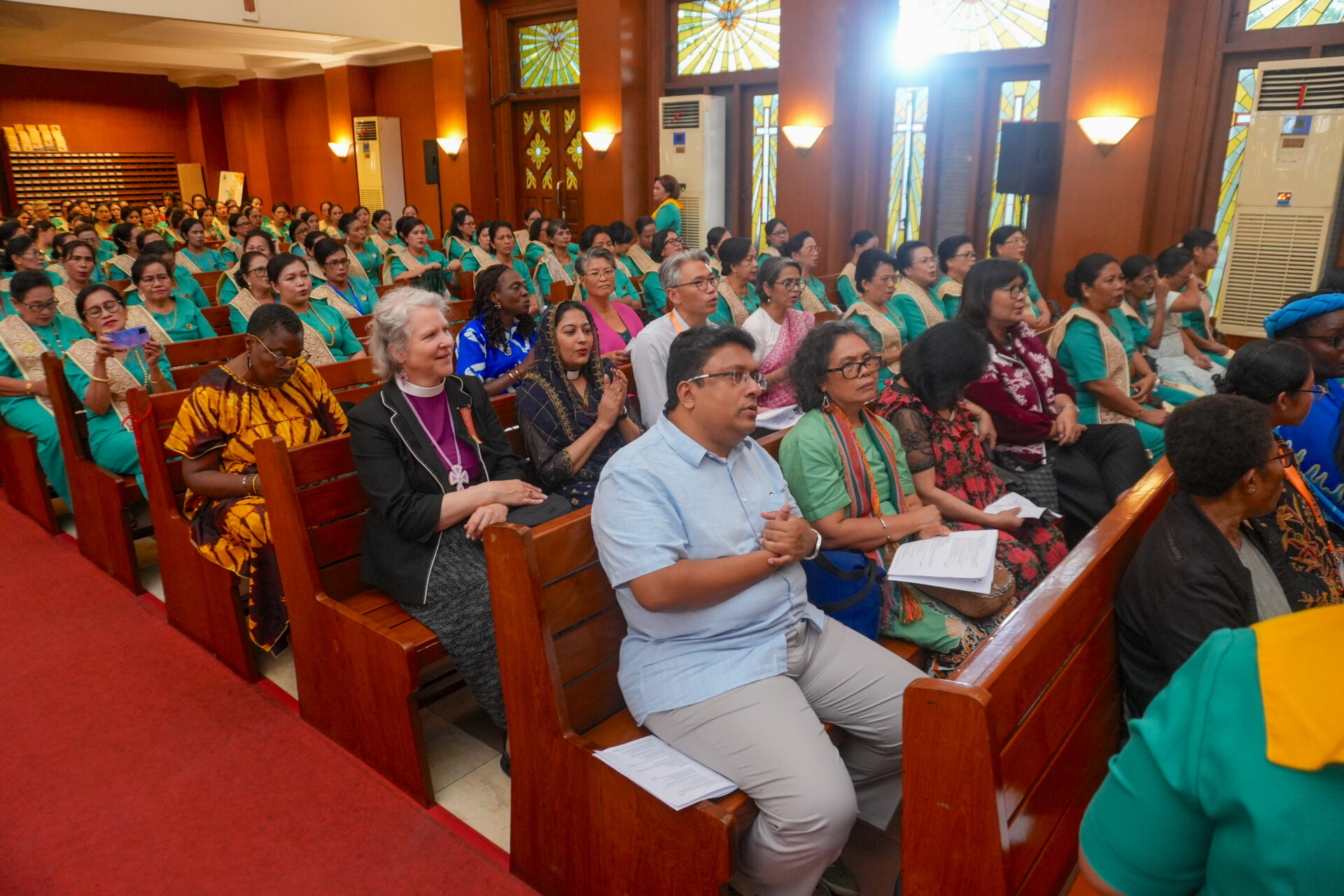
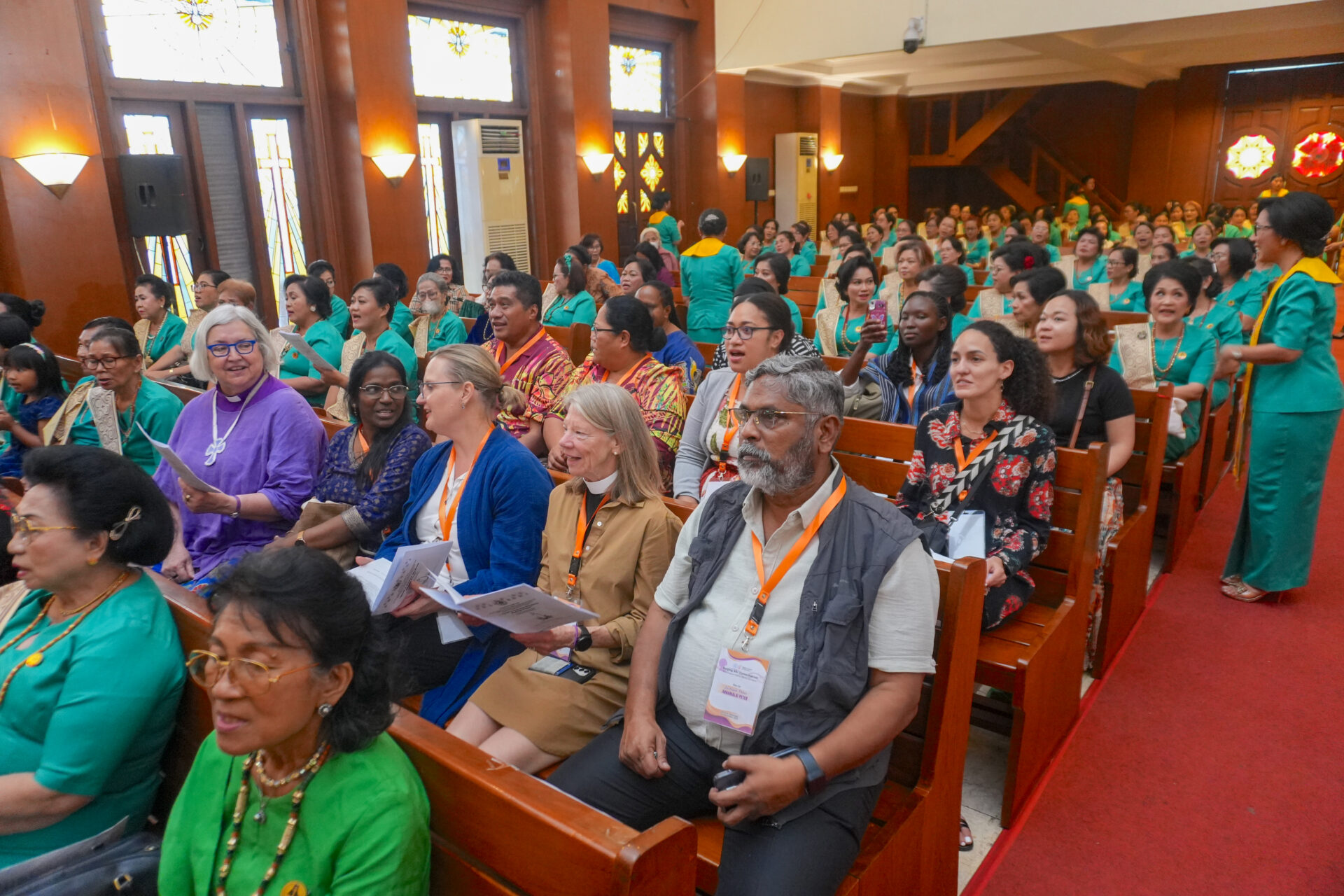
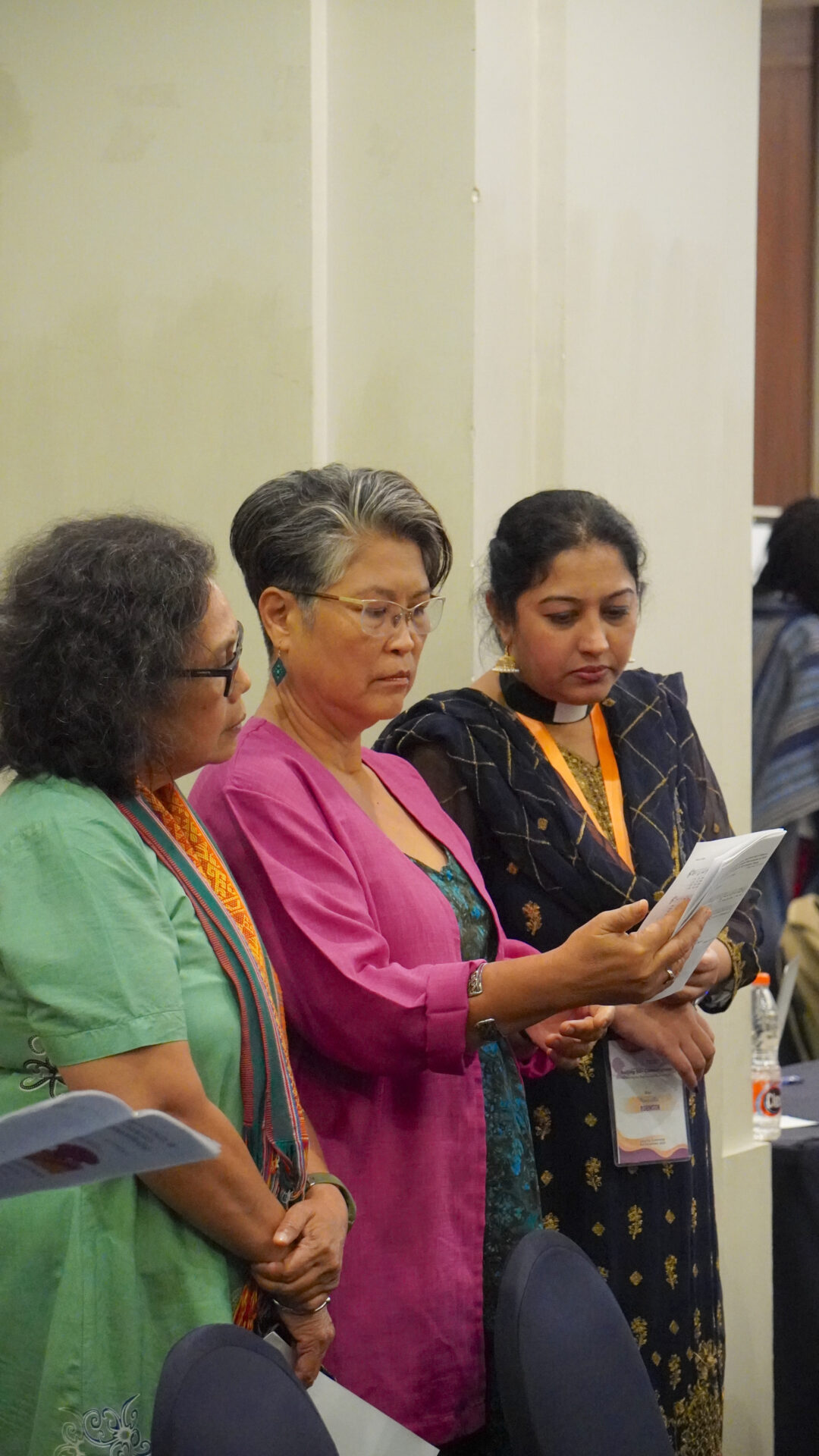
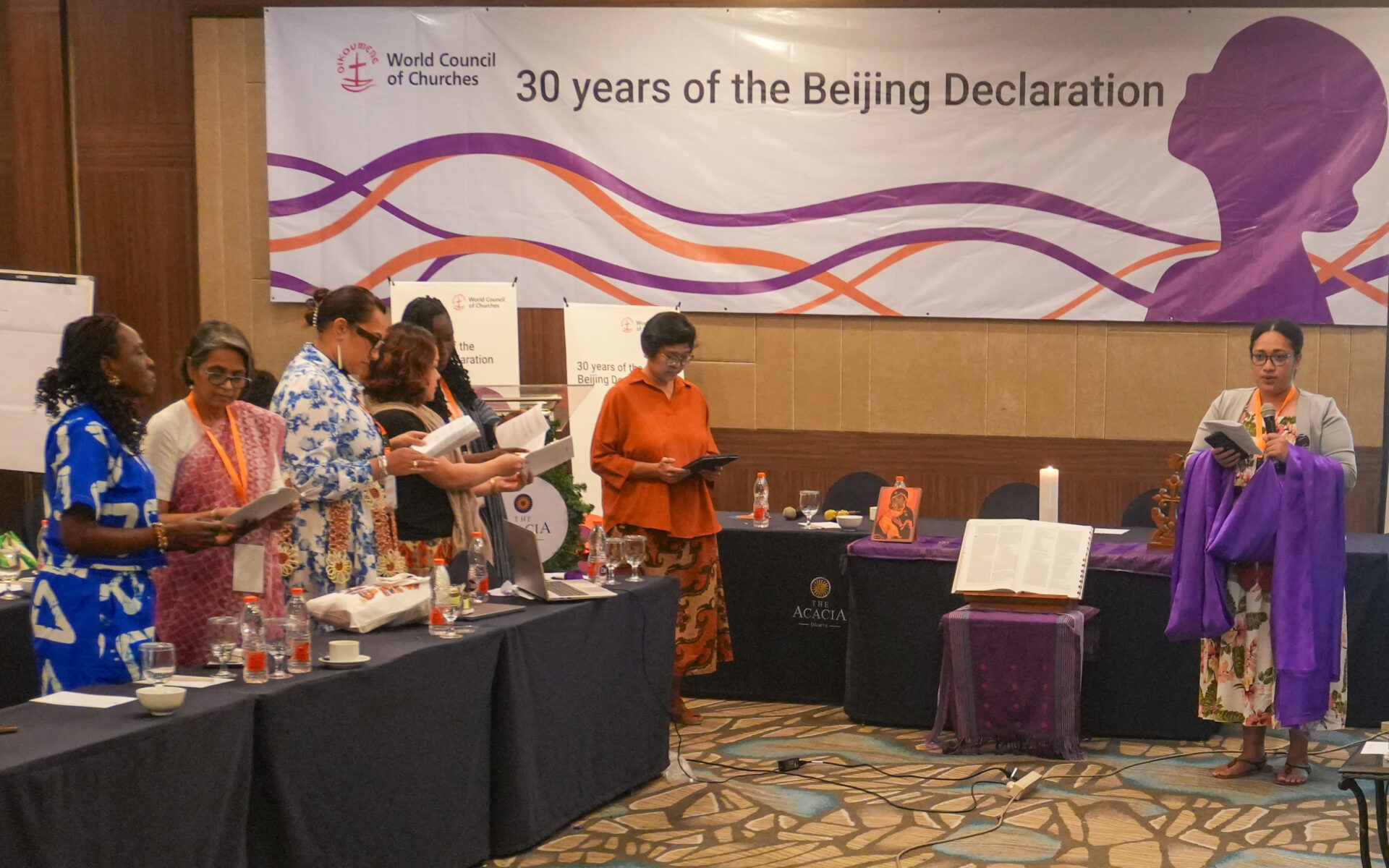
The World Council of Churches (WCC) concluded its Beijing 30+ Consultation on Sunday after three days of intensive dialogue, theological reflection and advocacy on gender justice.
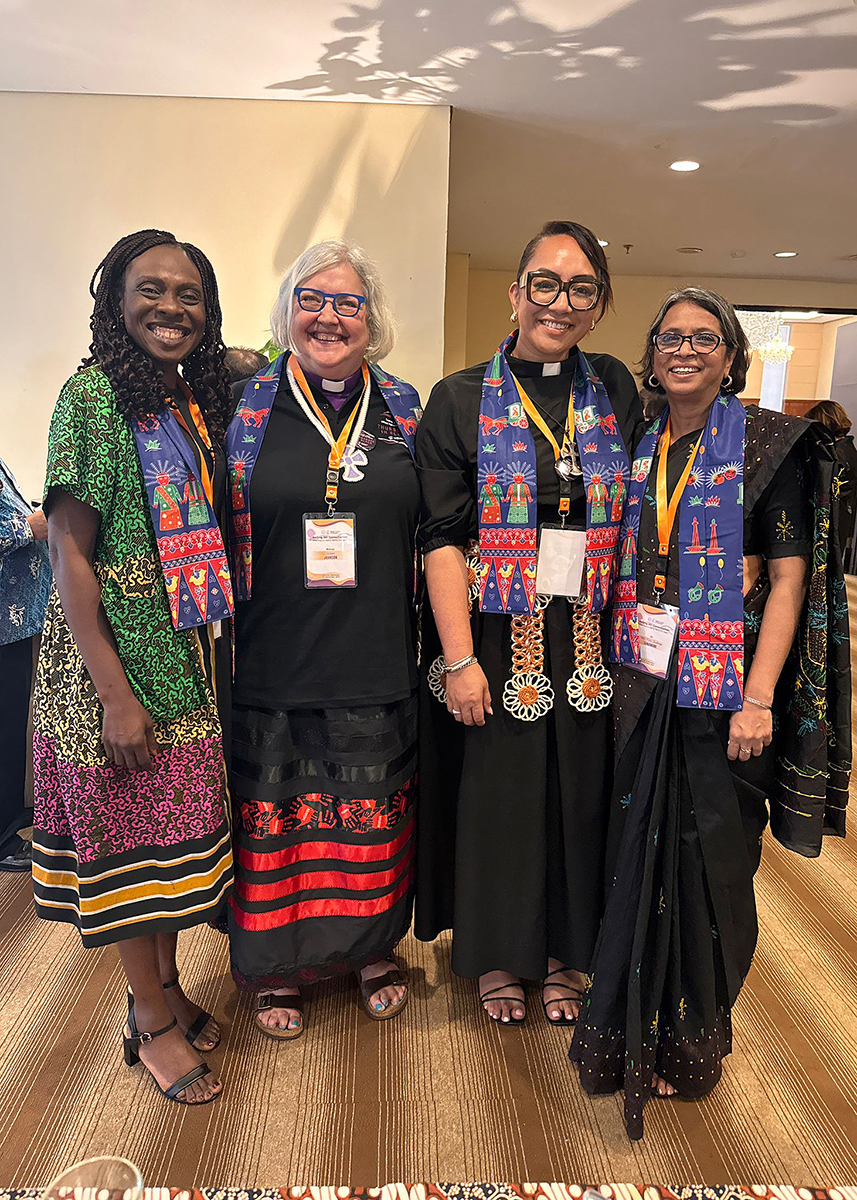
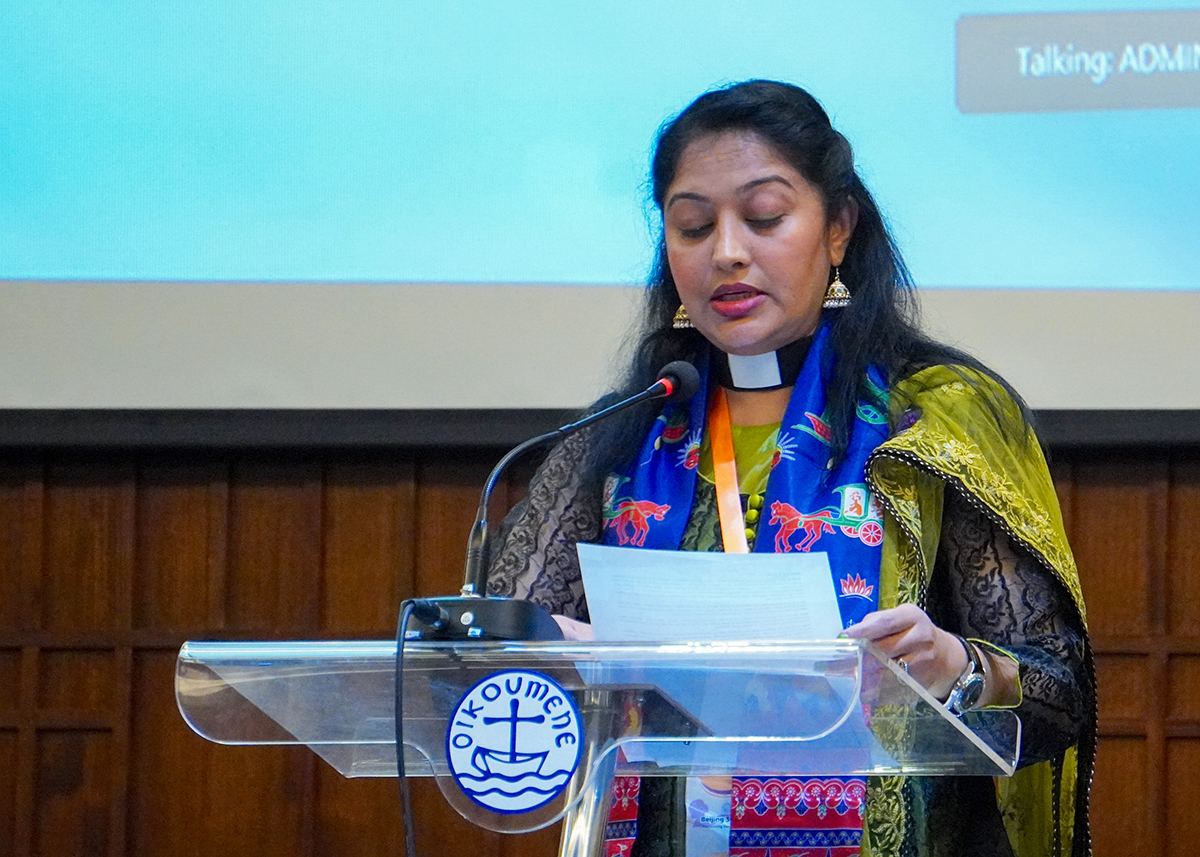
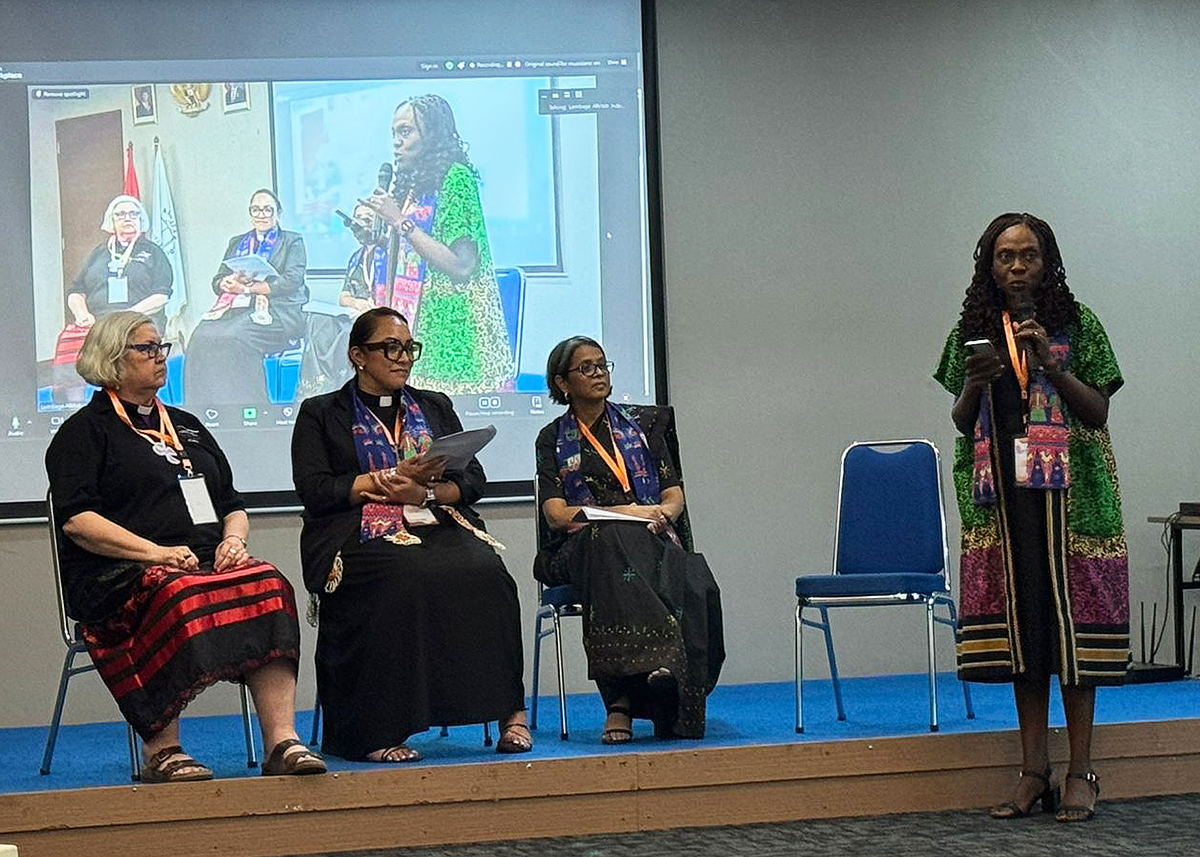
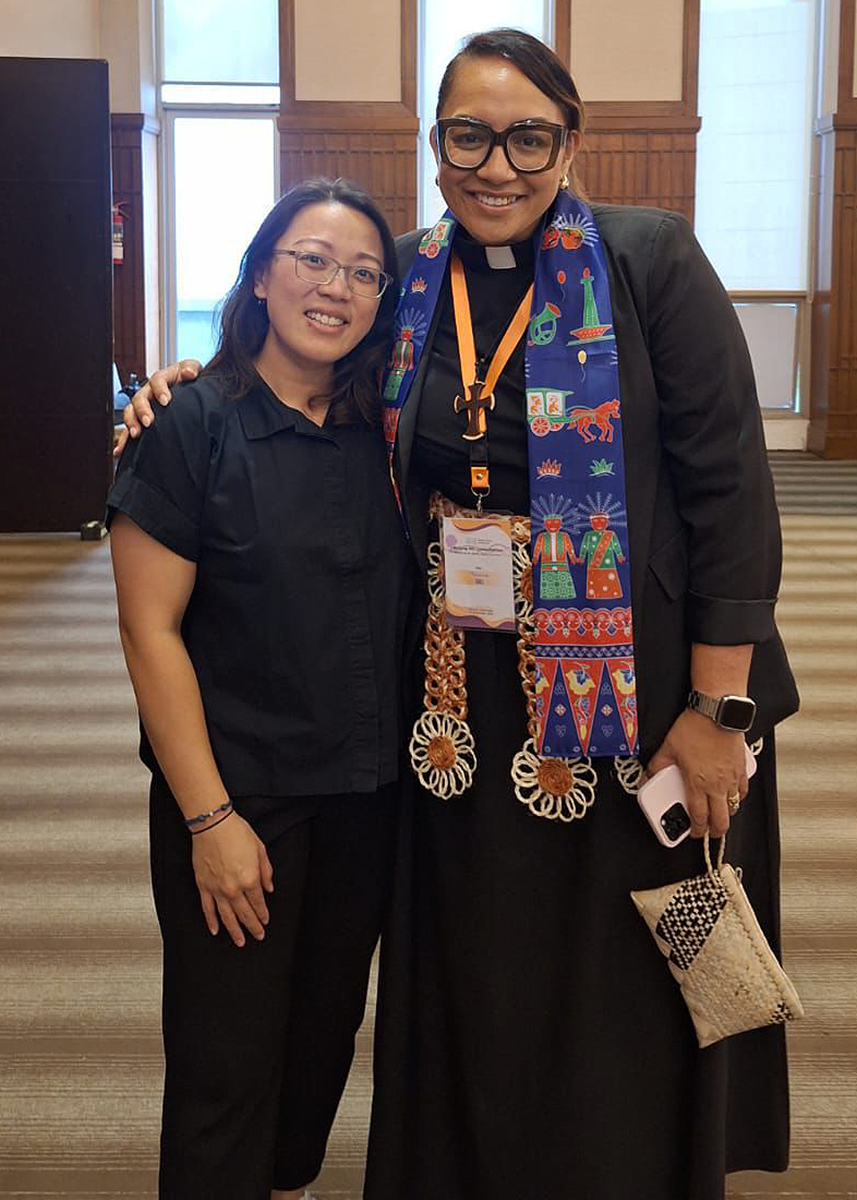
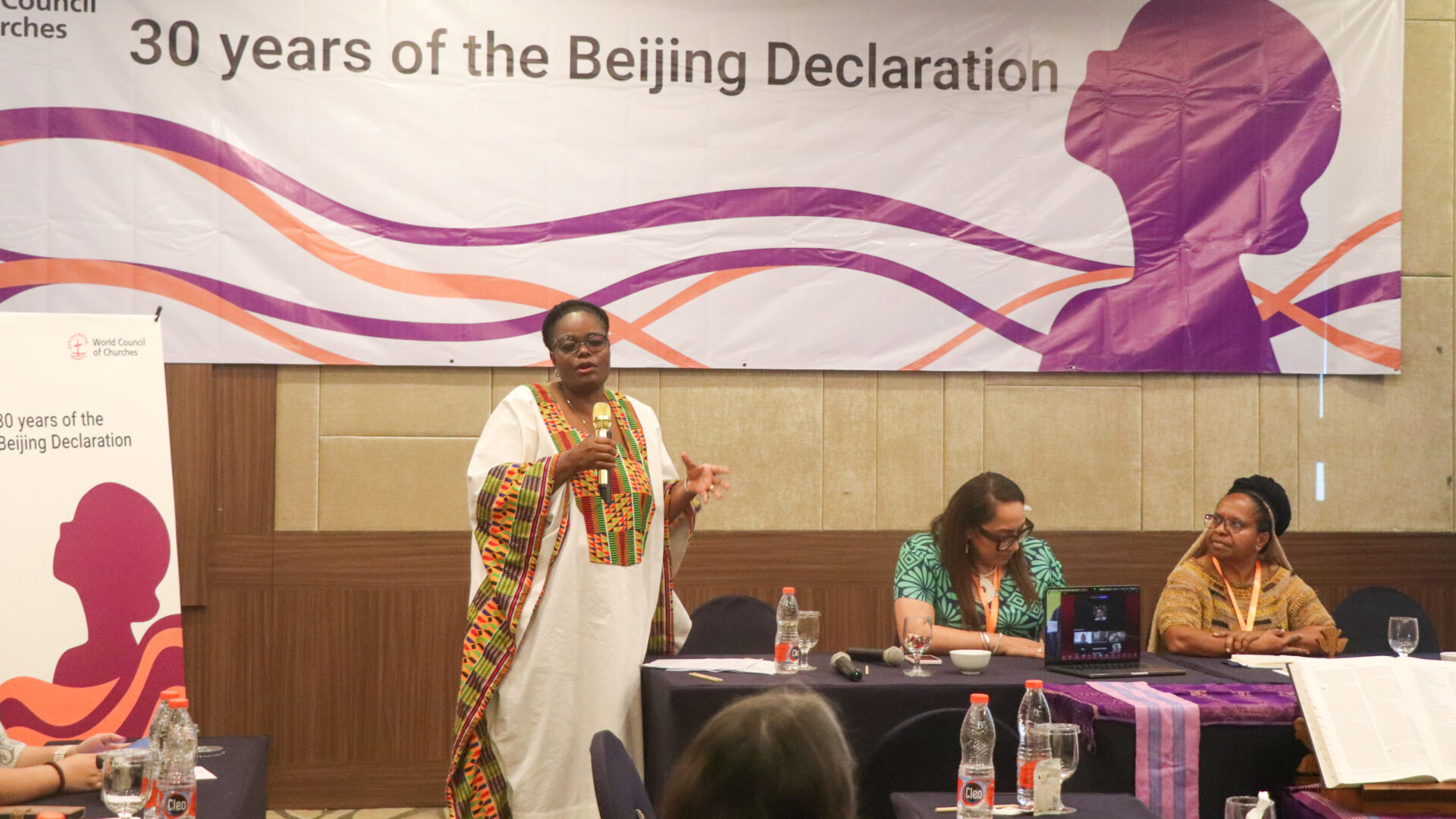
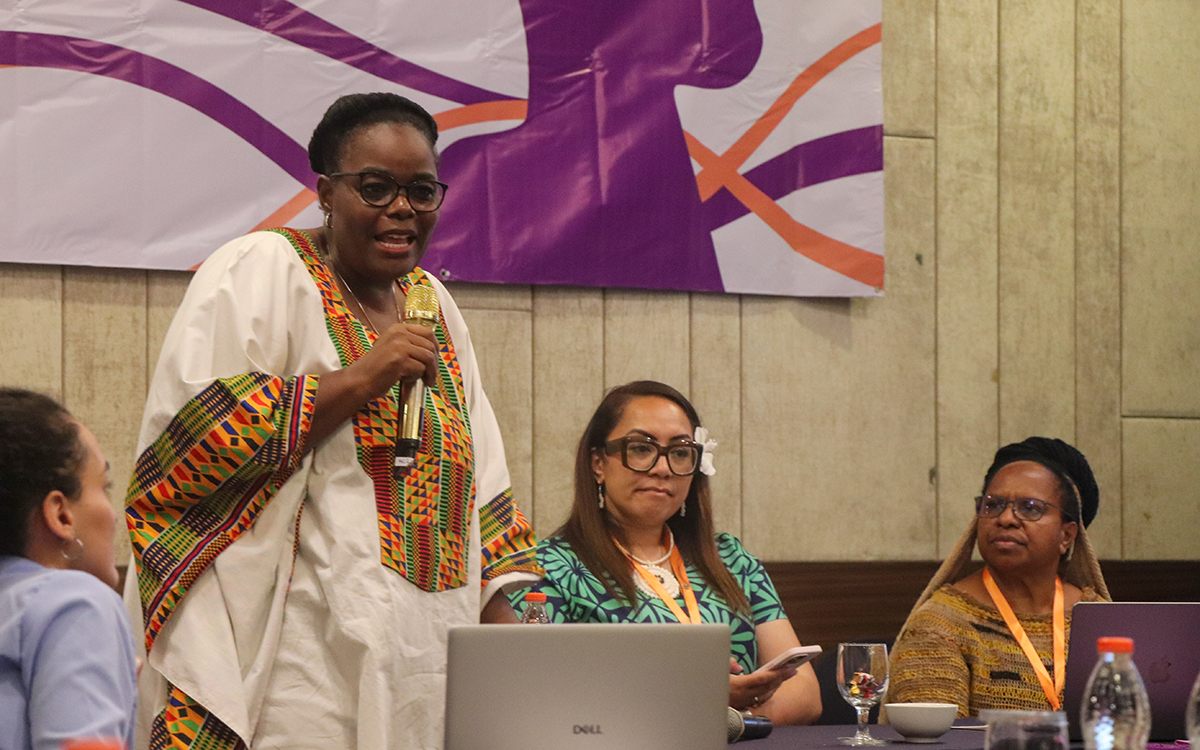
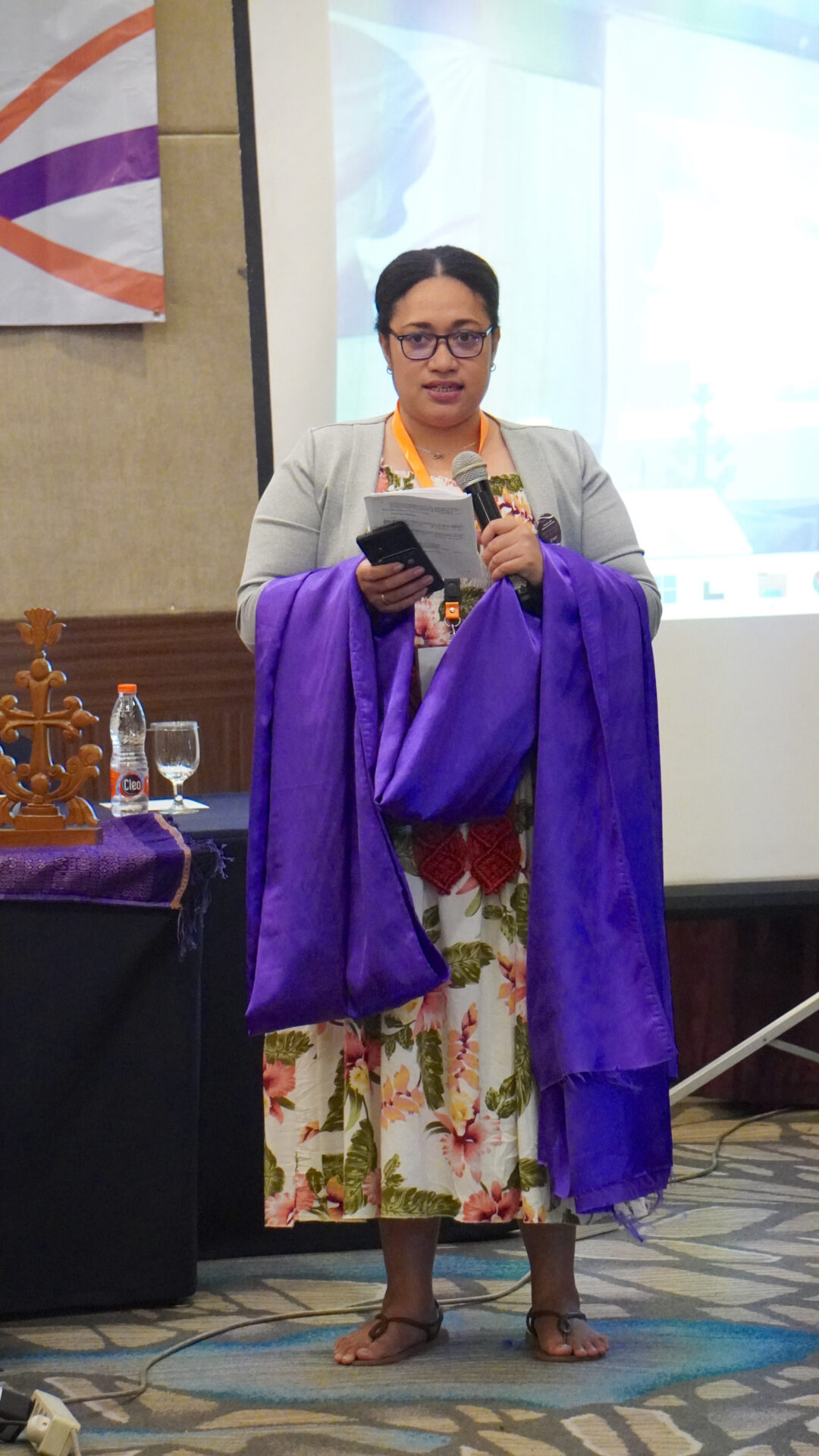
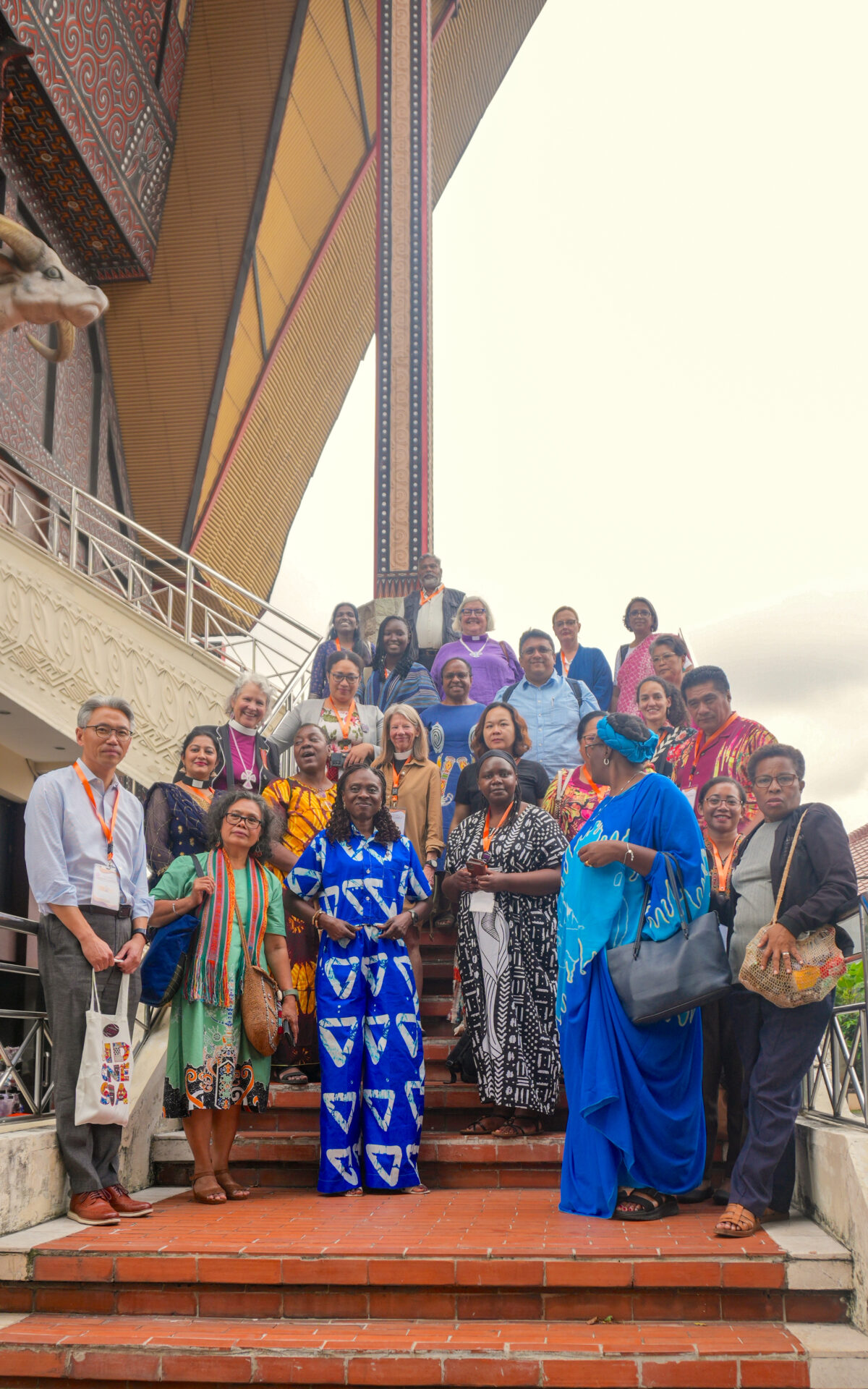
Held in Jakarta, Indonesia, the gathering brought together leaders from across Asia and the Pacific, including Uniting Church in Australia President Rev Charissa Suli, who participated in multiple panels and delivered the closing sermon.
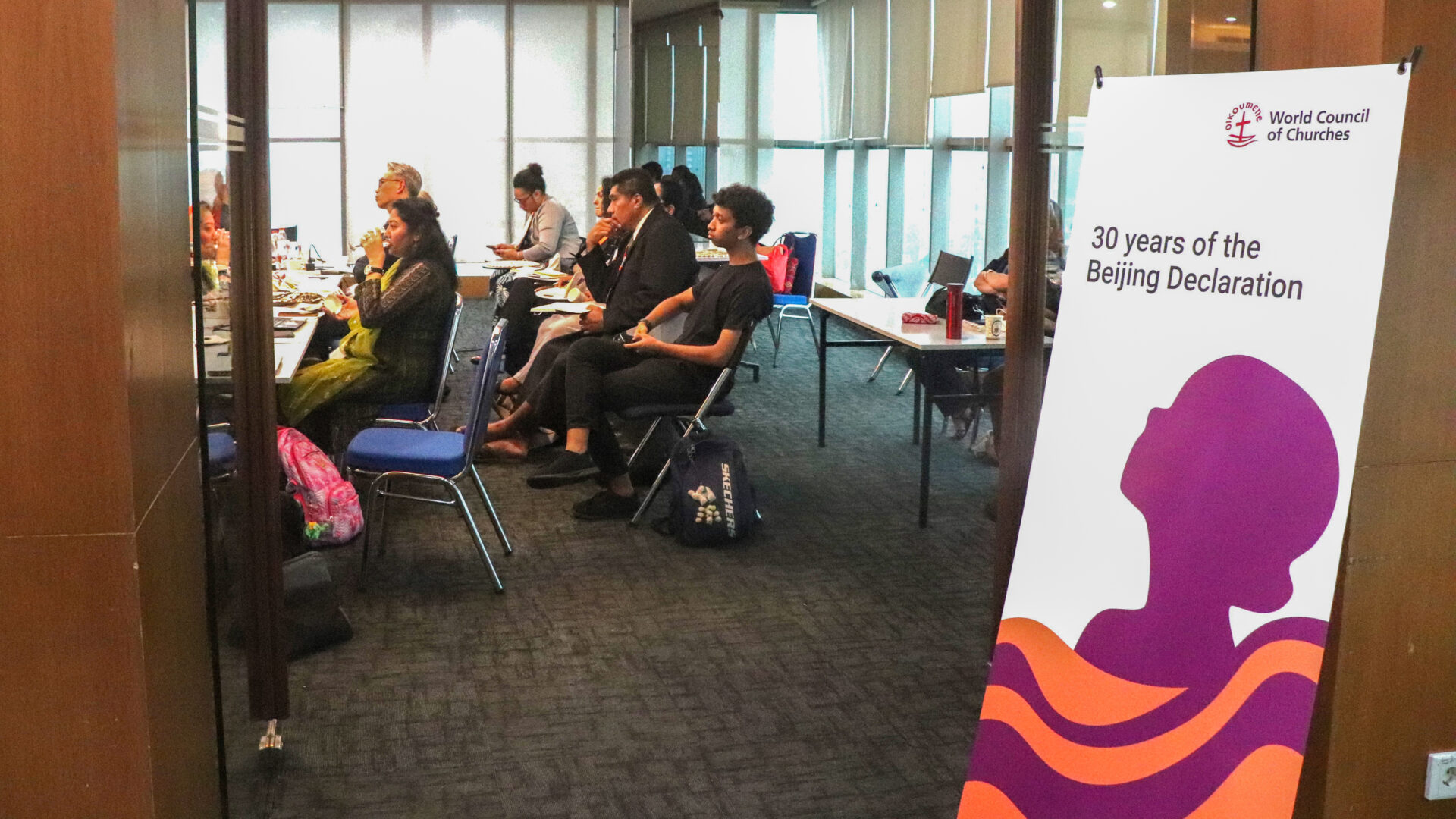
The consultation marked 30 years since the 1995 Beijing Platform for Action, a landmark framework for advancing the rights and empowerment of women and girls across 12 critical areas – from education and health to eliminating violence and promoting economic opportunity. The Jakarta meeting aimed to assess progress, identify ongoing challenges, and shape a coordinated ecumenical response for the decade ahead.
Day 1: Inequities Highlighted and Urgent Need for Action
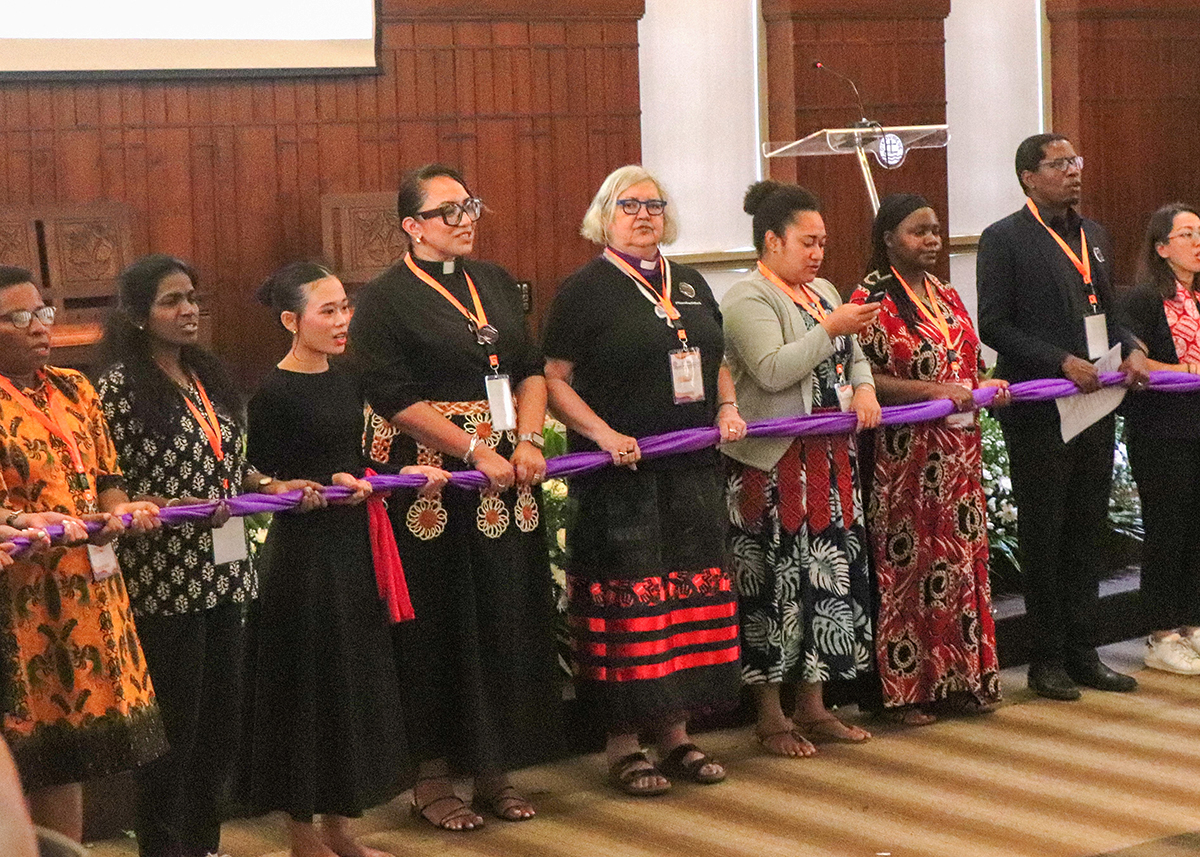
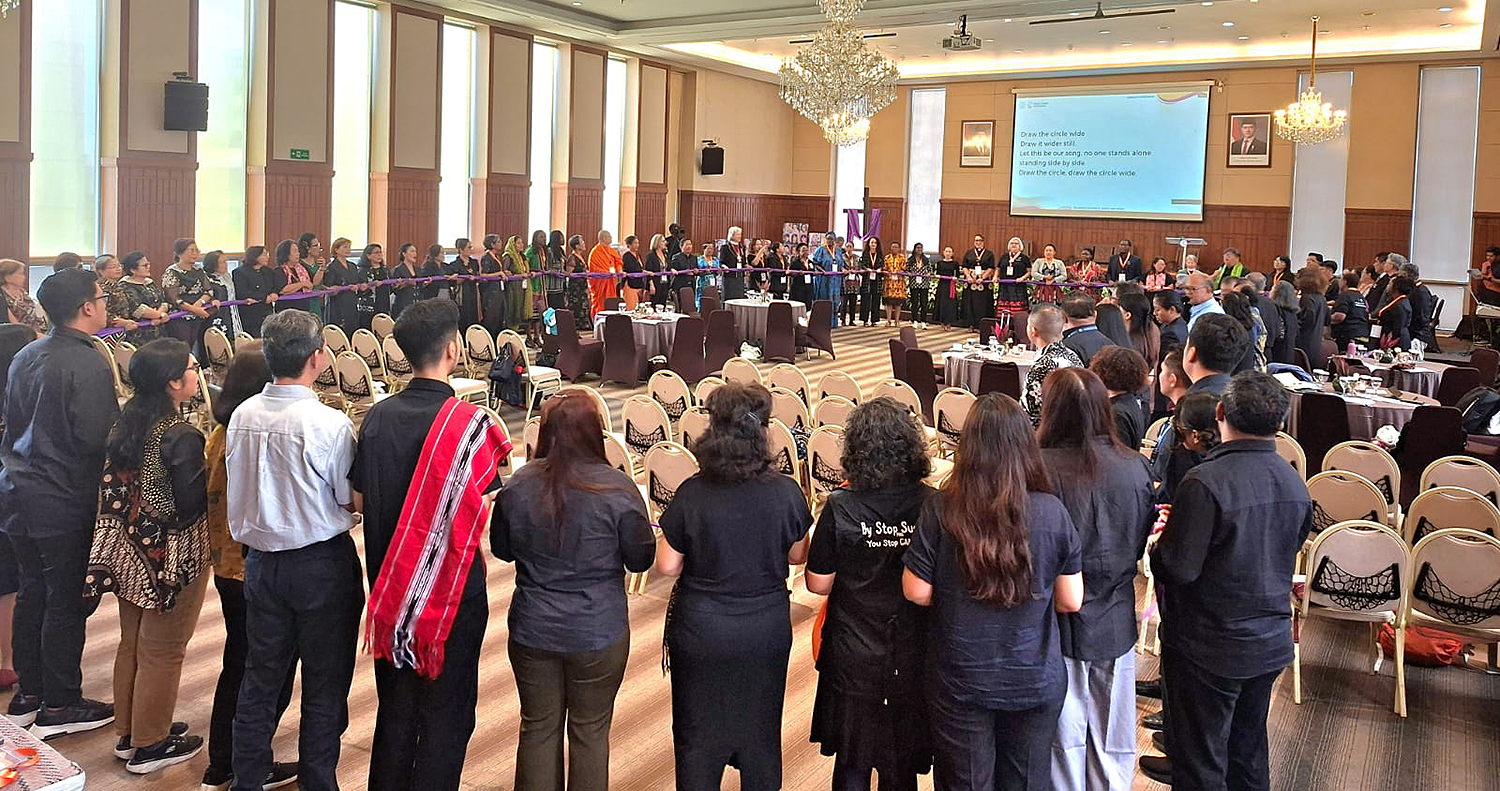
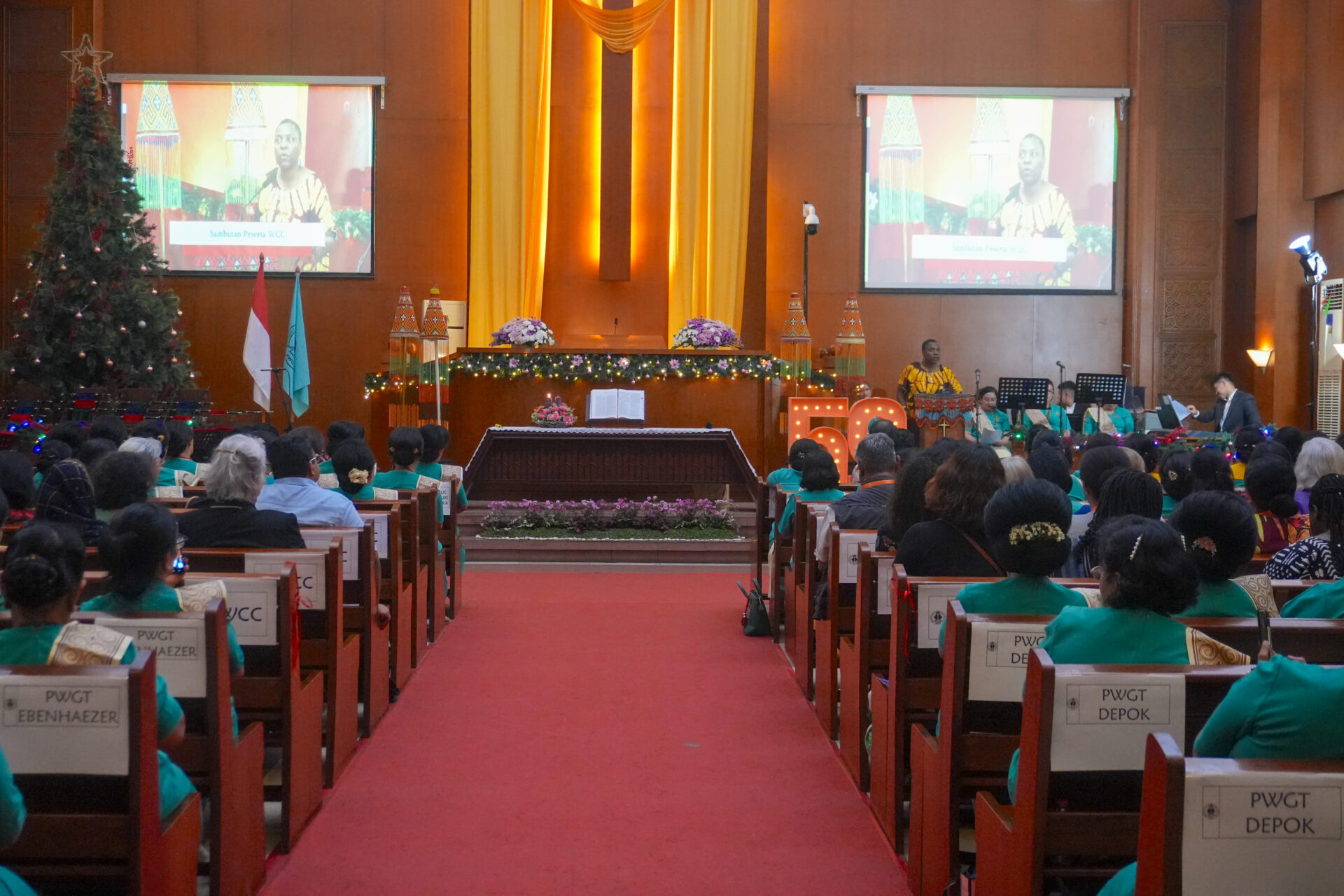
The first day opened with a worship service drawing on Indonesian symbols of lament and resilience. A cross draped in purple, Psalm 113 opened at the centre of the communion table, and visual artworks depicting women’s survival created a reflective atmosphere for participants. During the service, delegates joined hands with purple ribbons in a gesture that Rev Suli described as “a circle of truth and tenderness,” honouring women facing discrimination, violence, and structural injustice.
The morning’s thematic session, led by representatives from Amnesty International and Legal Aid Jakarta, outlined the growing pressures on women human rights defenders, including shrinking civic space, intensified surveillance, and the rapid adaptation of patriarchal systems. Presenters emphasised that in many regions, legal reforms have stalled while authoritarian and discriminatory practices continue to evolve.
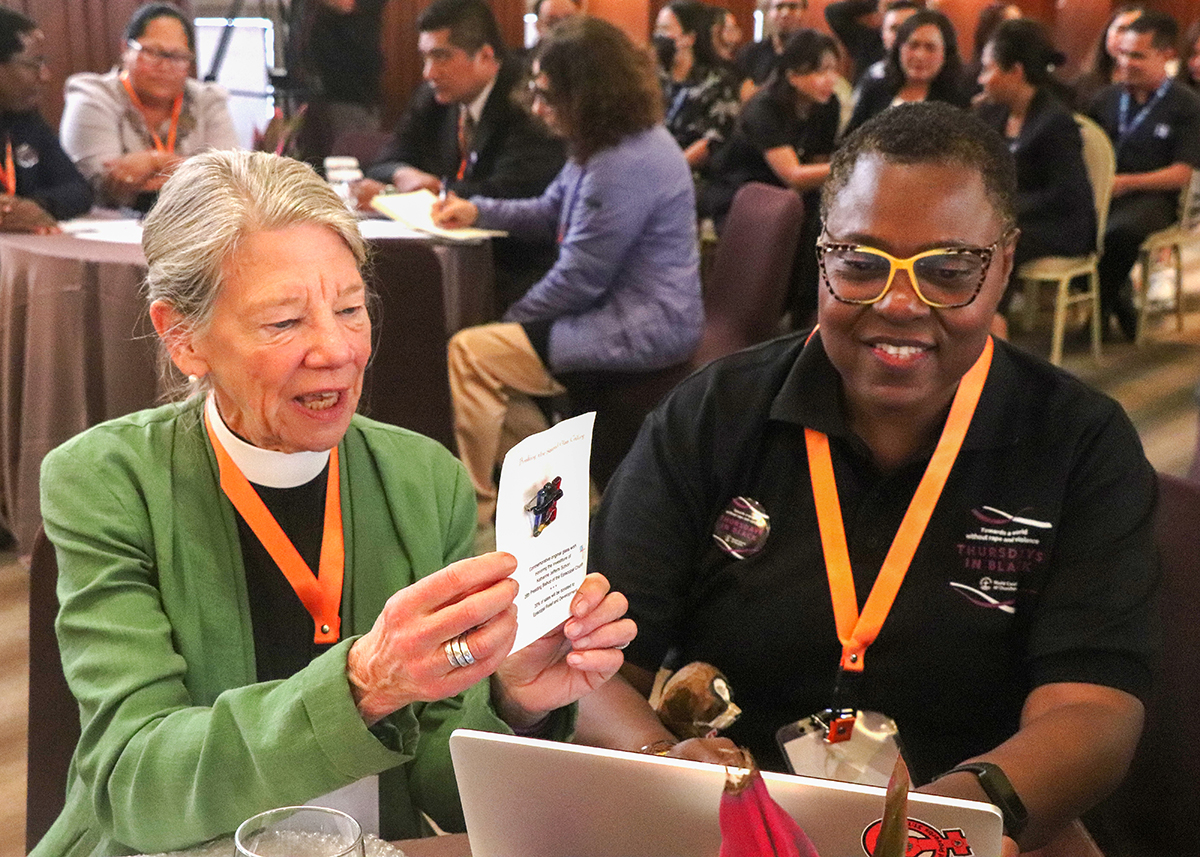
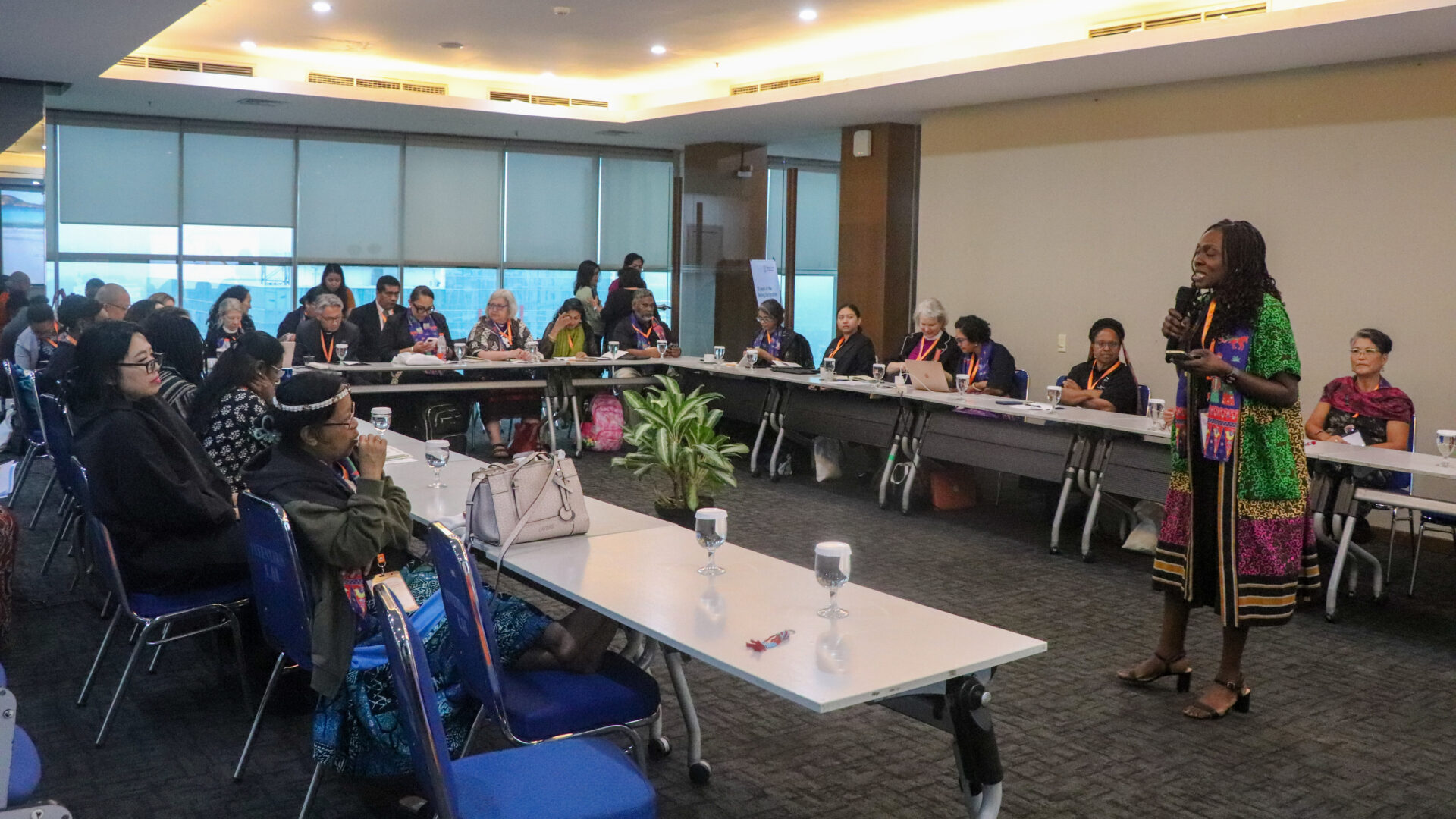
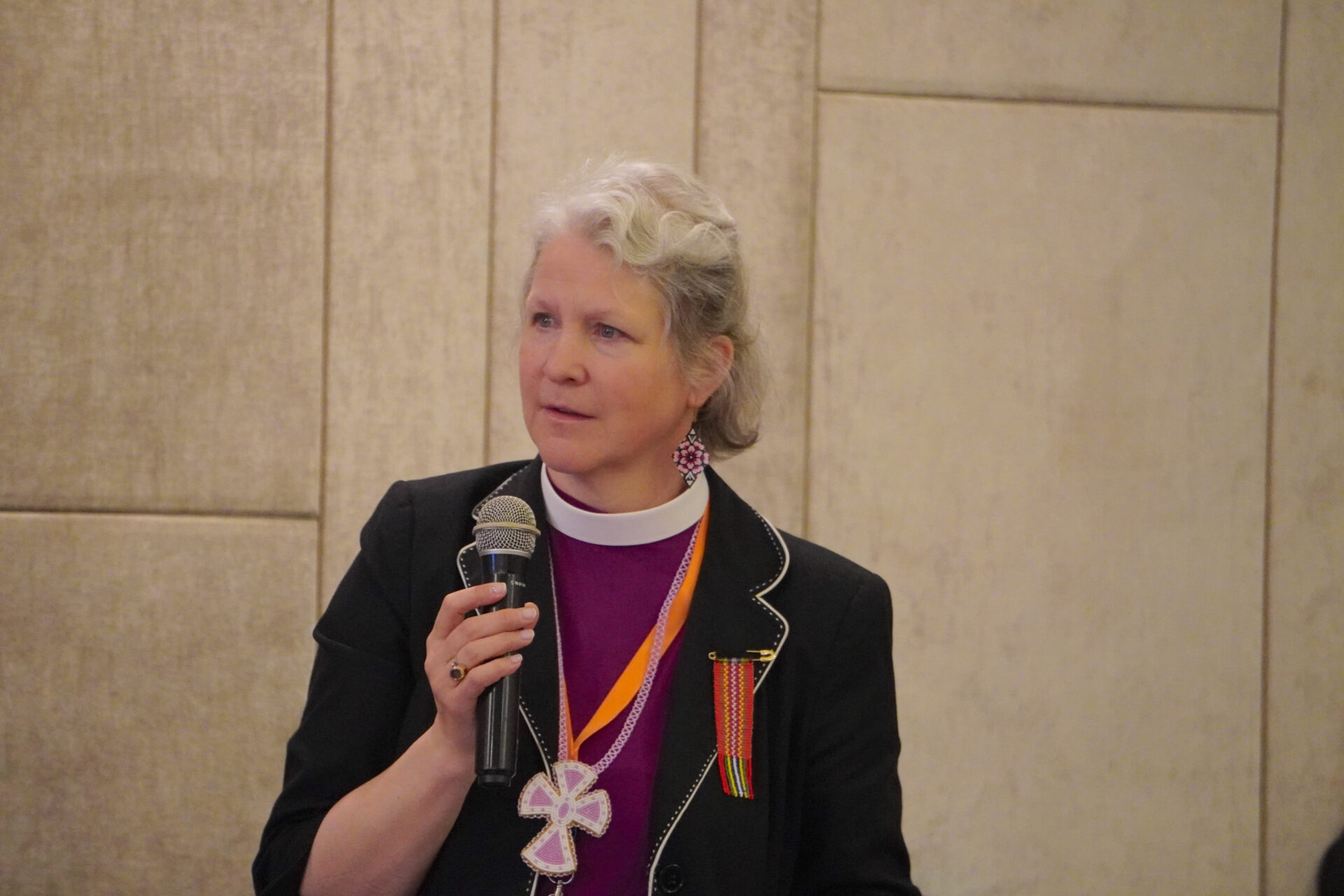
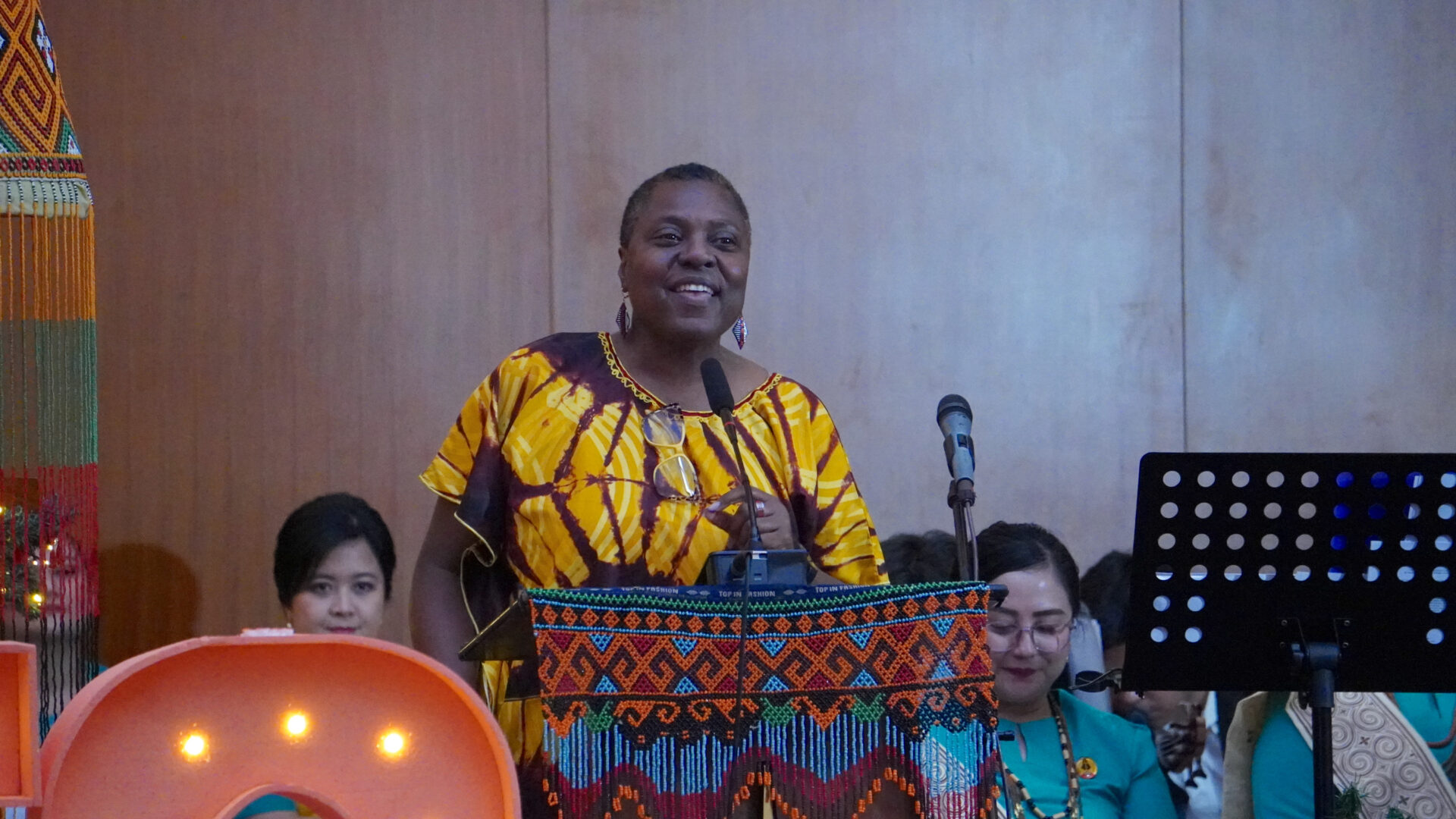
Later in the day, Rev Suli joined Bishop Susan Johnson and Dr Ella Sonawane in a panel examining women’s economic empowerment and leadership. She told delegates that reflection alone was insufficient. “If Beijing 30+ is only about reflection, then we have failed,” she said. “Solidarity without action is sentiment. Solidarity with action becomes transformation.” She noted that representation matters, especially for women of colour. “My presence here – as a brown Pacific woman leading a national church – matters for women who still have no platform in their own churches and country.”
Day 2: Testimonies from the Margins Shape Discussions
The second day’s focus was on countering violence, peacebuilding, and Indigenous wisdom. Rev Suli served as a guide for the panel conversation, emphasising the need for safe spaces where marginalised women can speak “with dignity and theological authority”.
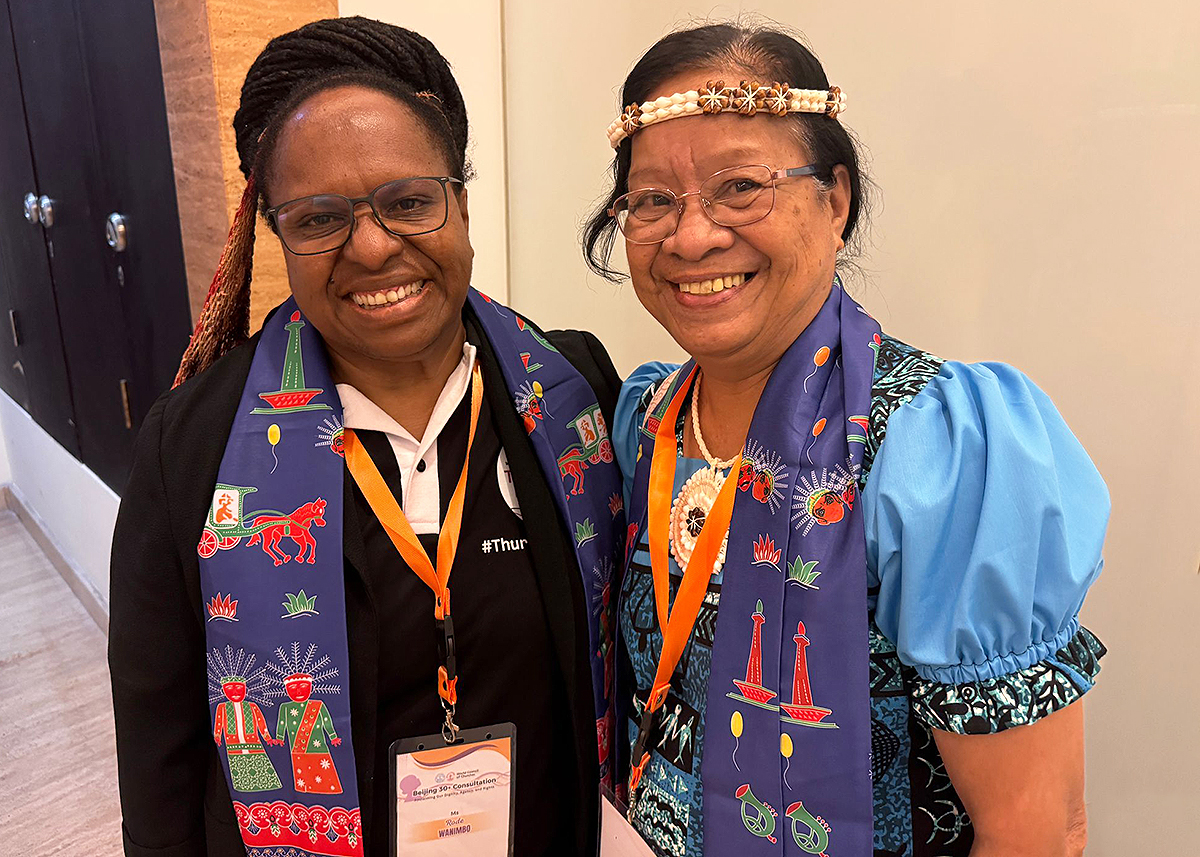
Delegates heard testimonies from West Papua, Kenya, India, Indonesia and across the Pacific, many detailing systemic violence, cultural erosion, and the resilience of communities facing structural injustice. A statement from the Marshall Islands drew particular attention, outlining the existential threats posed by rising sea levels, climate displacement, and the long-term impacts of nuclear testing. The speaker urged faith communities to recognise climate justice as a moral imperative. “This is not a political agenda,” she said. “It is about protecting life itself.”
Rev Suli said these testimonies reinforced the Uniting Church’s commitments to walking in Covenant with First Peoples, strengthening partnerships with Pacific churches, amplifying women’s leadership, and advocating for climate and gender justice. She highlighted a key insight emerging from the sessions: that the church is not only engaged in diakonia (service) but embodies it. This, she said, challenges churches to ground their public witness in the experiences of those at the margins.
Stories shared throughout the day – ranging from Korean survivors of violence to West Papuan women resisting militarisation – demonstrated both the global nature of gender injustice and the central role of faith communities in addressing it.
Day 3: Jakarta Declaration issued
The consultation concluded with the release of the “Jakarta Declaration 2025: Witnessing and Anticipating Gender Justice in Unity and Diversity,” outlining commitments for the WCC and its member churches over the next decade.
The declaration states that gender justice is impossible without the transformation of power structures and acknowledges that women and girls with disabilities face disproportionate barriers to participation, safety, and opportunity. It commits the WCC to ensuring equal representation of women in all delegations and leadership bodies by 2030, and to making worship spaces and theological materials fully inclusive of women across ability, age, ethnicity, and culture.
The declaration emphasises the feminisation of poverty and the increased vulnerability of women and girls to environmental degradation, caste-based violence, displacement, and conflict. It recognises the leadership of Indigenous, grassroots, and Pacific women, referencing the Marshall Islands’ testimony and the struggles of West Papuan women confronting militarisation and cultural erosion.
Echoing the Pacific Conference of Churches, the document asserts that gender justice in the Pacific cannot be separated from ecological justice, nuclear justice, decolonisation, and sovereignty. It calls for deeper interfaith cooperation and stronger alliances between churches and global justice movements.
“Churches must be proactive agents of healing and truth-telling, not silent in the face of injustice,” the declaration reads. It calls on all member churches to implement concrete local actions, invest in gender justice ministries, and integrate these commitments into governance, formation, pastoral care, and public witness.
The consultation ended with a collective pledge to “walk together in courage and solidarity, reclaiming the future God intends – a future where justice is lived, healing is embodied, and all creation flourishes”.
Subscribe to our newsletter
If you want to get the latest news from the Uniting Church in Australia then subscribe to our weekly newsletter delivered to your inbox.
More news from the Assembly
Warning of an ‘apocalypse’ in international aid
Warning of an ‘apocalypse’ in international aid The disturbing and worsening problems of international aid were at the centre of a forum held in Canberra last monthThe global crisis in international aid has reached unprecedented levels, with Uniting Church Assembly General Secretary Andrew Johnson warning it now resembles an “apocalypse” rather than a temporary downturn.…
UnitingCare Australia advocacy makes an impact
UnitingCare Australia advocacy makes an impactSubscribe to our newsletterIf you want to get the latest news from the Uniting Church in Australia then subscribe to our weekly newsletter delivered to your inbox.UnitingCare Australia, a key agency of the Uniting Church in Australia, has welcomed the Federal Government’s announcement today of an additional $11.7 million investment in emergency relief and financial…
Faithful keeper of memory
Faithful keeper of memory Christine Gordon celebrates 25 years preserving the Uniting Church’s story, faithfully safeguarding its history and memory for future generationsThis Friday marks a remarkable milestone for Christine Gordon, who celebrates 25 years as Archivist for the Uniting Church in Australia Assembly, a role she has embraced with passion and unwavering commitment. “I…
Encountering the Living God as we journey toward Easter
Encountering the Living God as we journey toward Easter Assembly General Secretary Andrew Johnson reflects on encountering the Living God – and invites the Church to seek and trust that presence anew this Easter by Andrew Johnson, Assembly General Secretary On Monday evening in Holy Week, I sat in a Eucharistic service followed by the…
President’s Easter Message 2026
Peace BeWith You Easter messages from the President and Moderators of the Uniting Church in Australia In a world that can feel loud, anxious, and divided, Easter arrives with a quiet but powerful word: peace. This Easter, Rev Charissa Suli, President of the Uniting Church in Australia, offers a message drawn from the heart…
This is my Uniting Church: South Perth UC
This is my Uniting Church South Perth Uniting Church ‘This is my Uniting Church’ is a series that delves into the stories and faces of our local congregations and communities of faith: the beating heart of the Uniting Church! In this edition, we shine the spotlight on a Uniting Church located in Western Australia. It’s…
ABC interview: Speaking out on Gendered Violence
Speaking out on Gendered Violence Uniting Church President Rev Charissa Suli recently spoke with ABC Radio on churches’ role in confronting gendered violence and promoting safety, dignity and compassion Subscribe to our newsletter If you want to get the latest news from the Uniting Church in Australia then subscribe to our weekly newsletter…
President reflects on Gendered Violence Conference
Gendered Violence Conference: Restoring what has been bent The President offers this pastoral reflection following The Wesley Centre Theology and Culture Conference on the topic of Gendered Violence By Rev Charissa Suli, President of the Uniting Church in Australia Last month, I attended the Gendered Violence Conference hosted by Rev Associate Professor Robyn Whitaker,…