
Pacific women call for climate action that begins with their communities
From Tuvalu, Pacific women are calling on world leaders to listen deeply, strengthen community leadership and pursue climate action grounded in local experience and wisdom.
September 19, 2026
For the women who gathered in Tuvalu this September, climate justice reaches into the everyday work of keeping communities safe. It concerns the water families drink, the food they grow, the safety of women in their homes and the connection to land that carries generations of belonging.
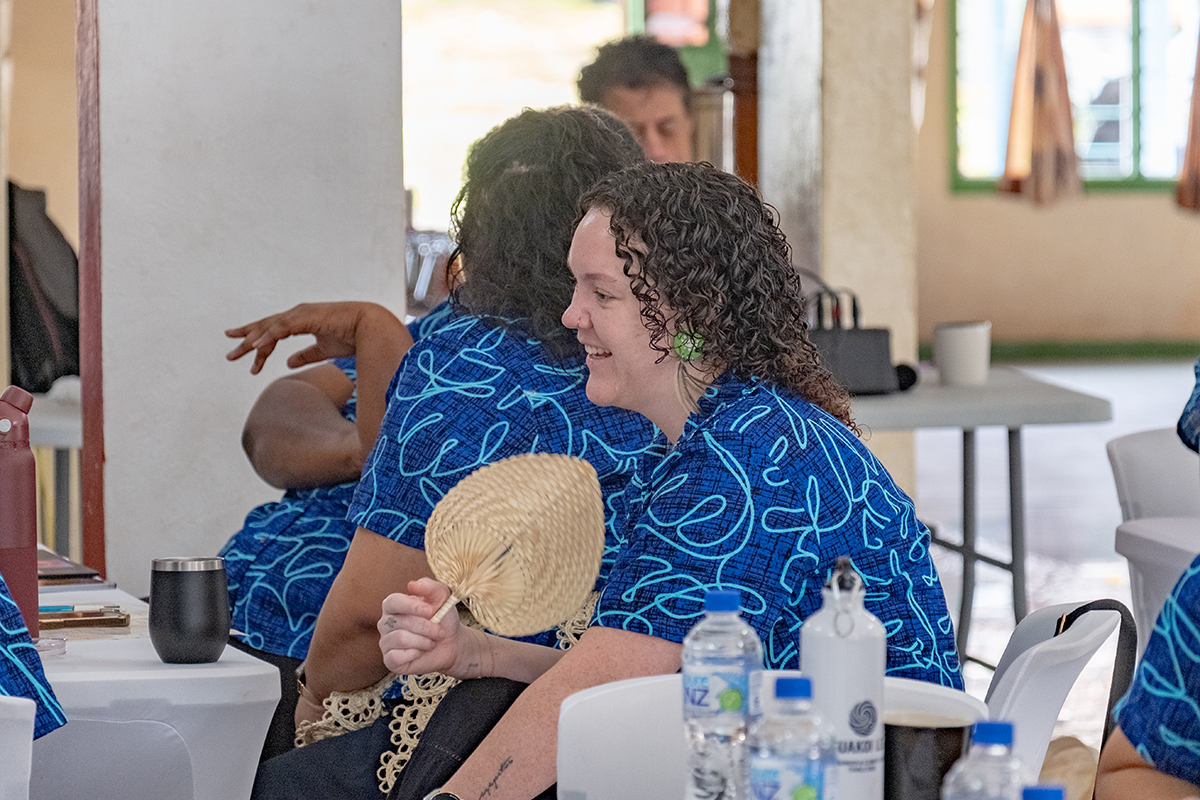
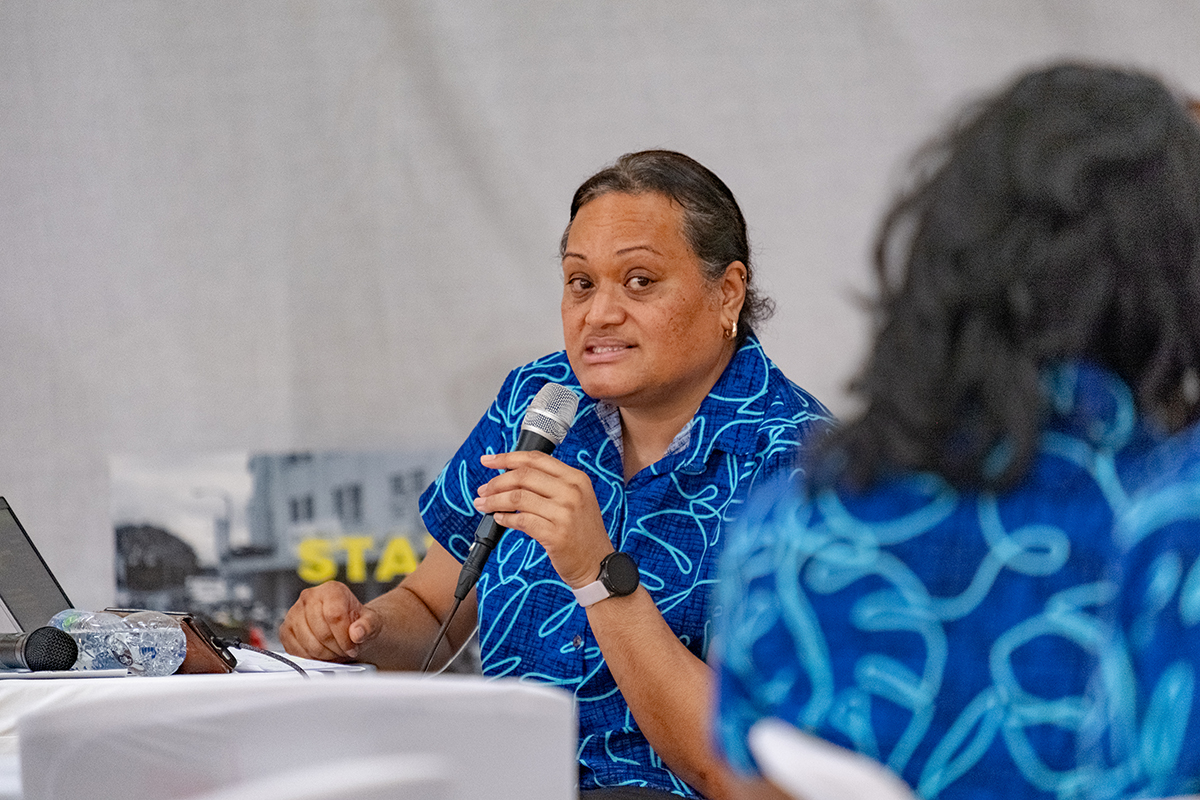
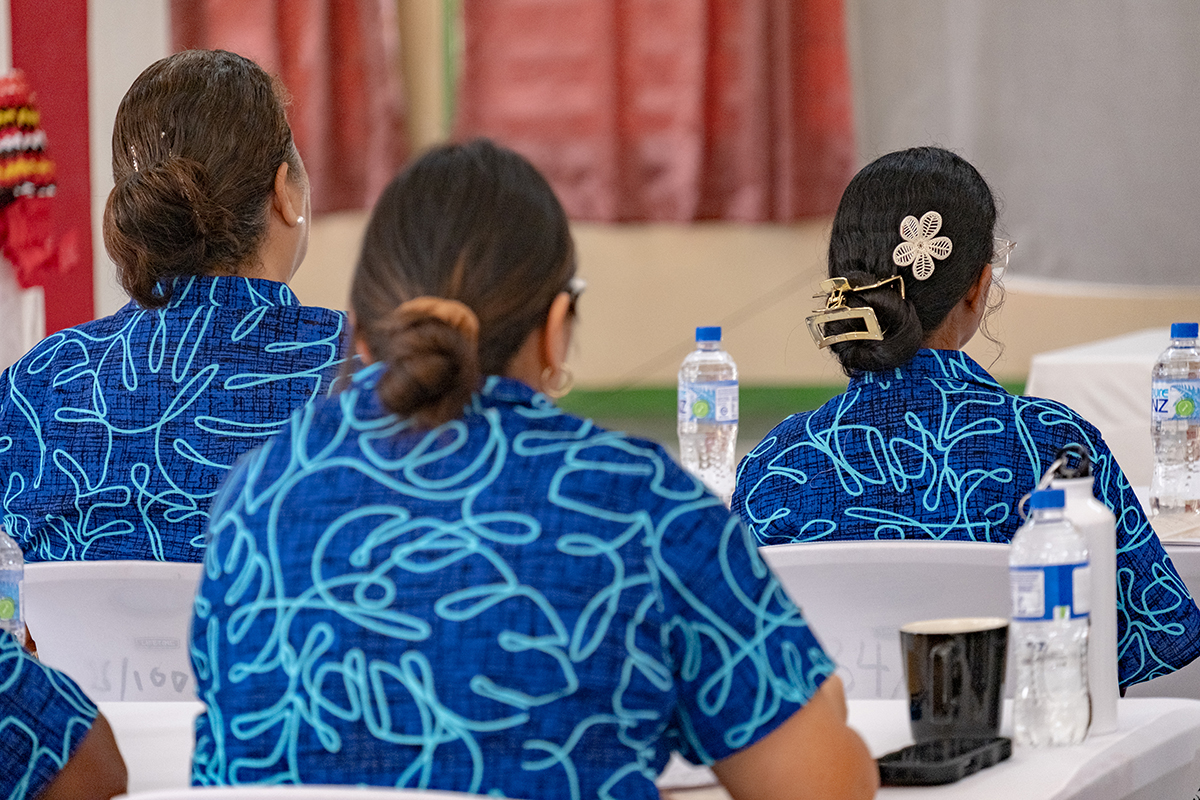
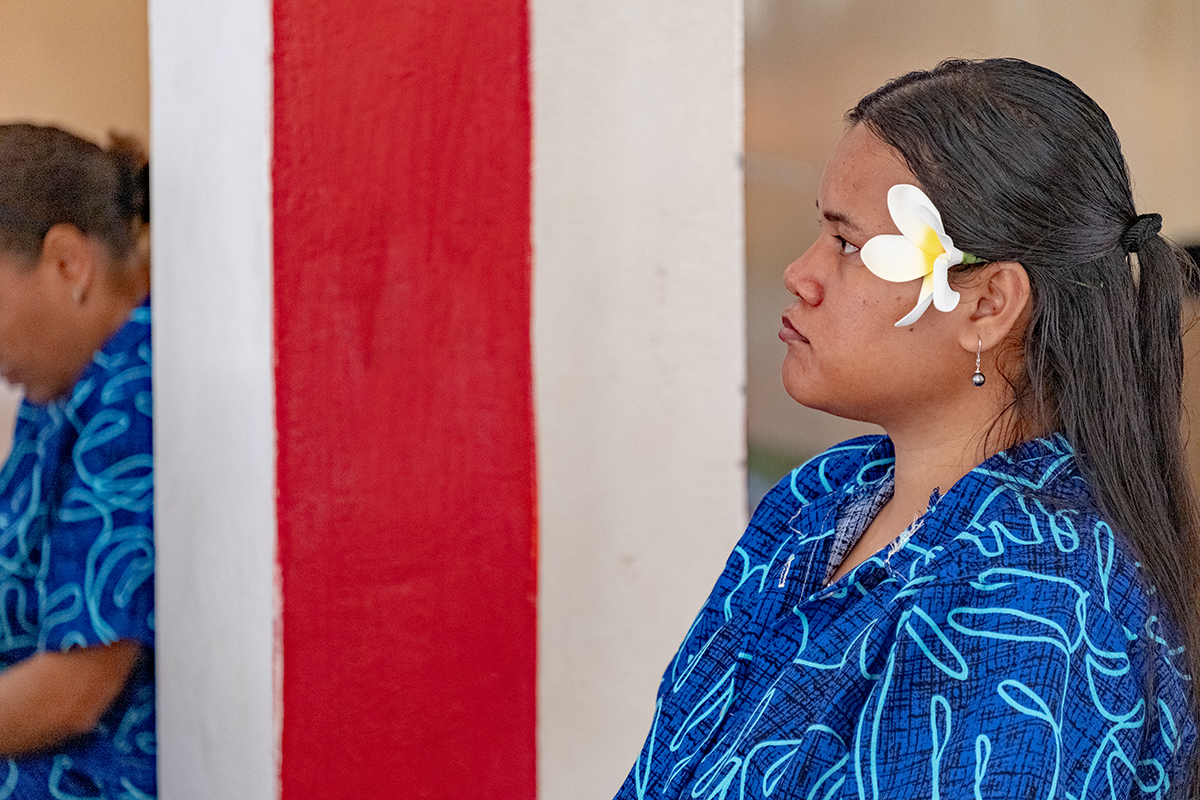
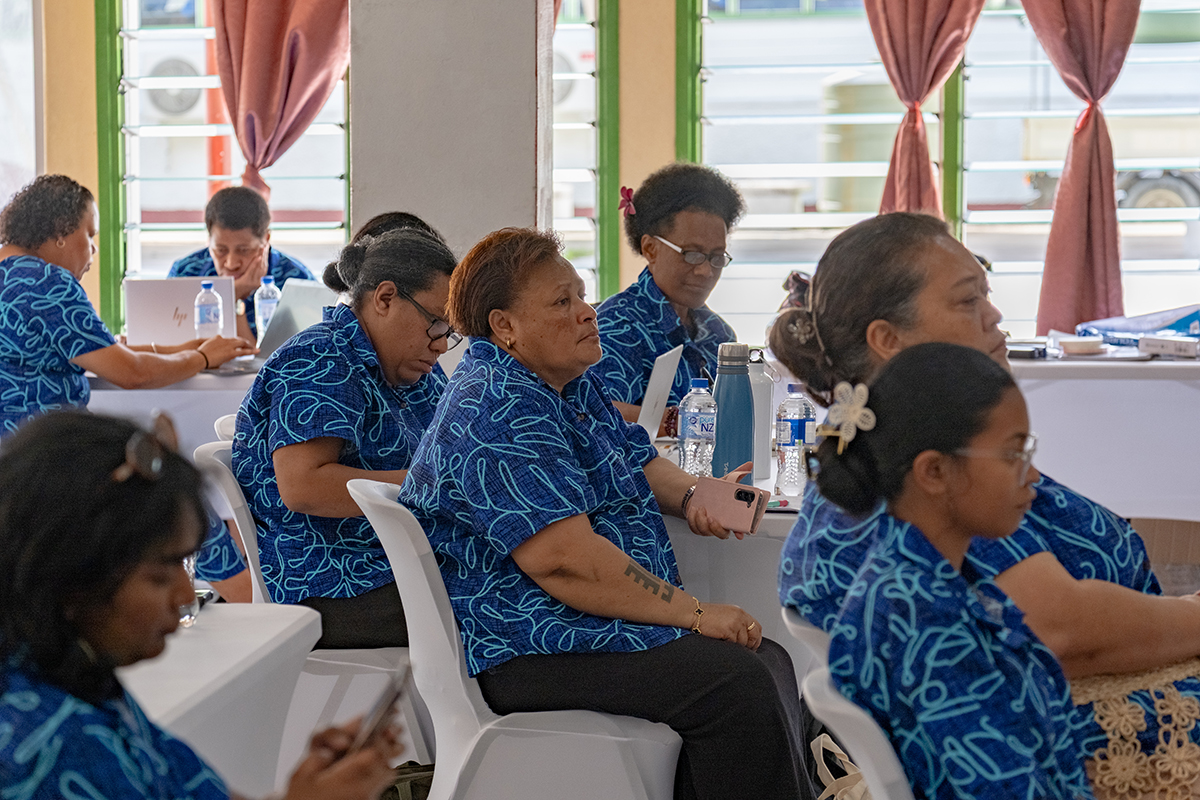
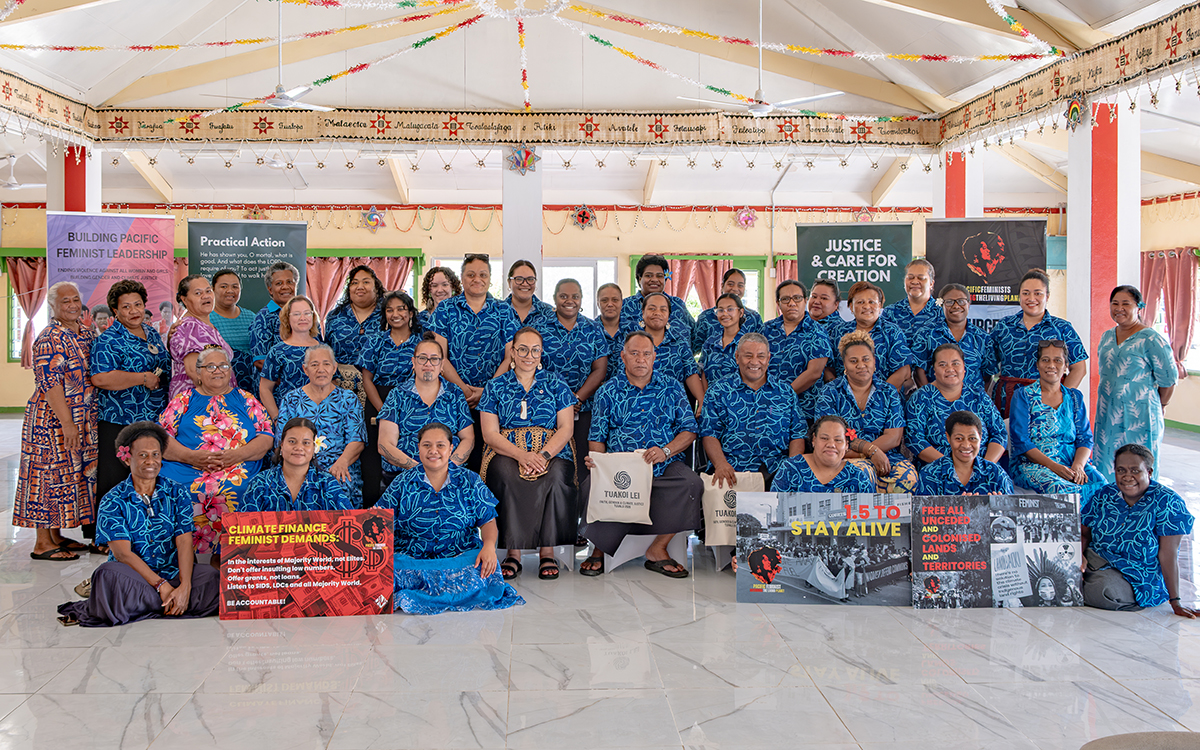
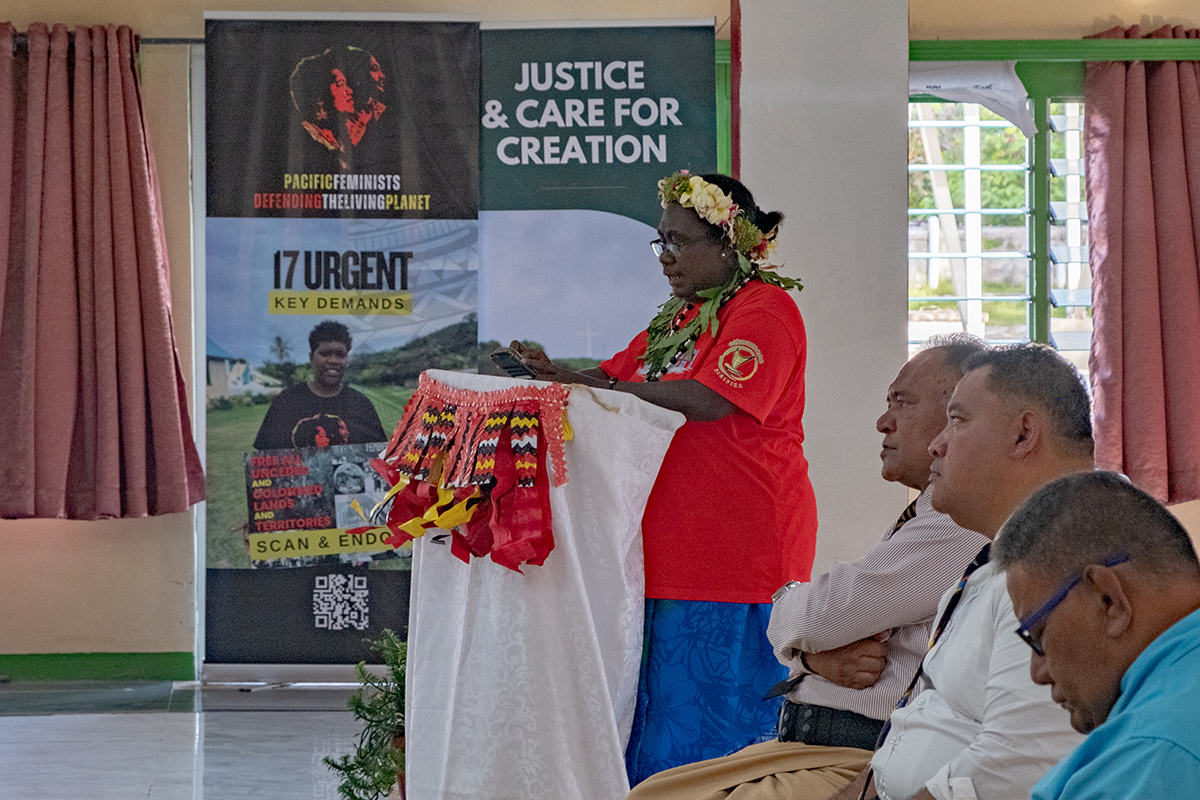
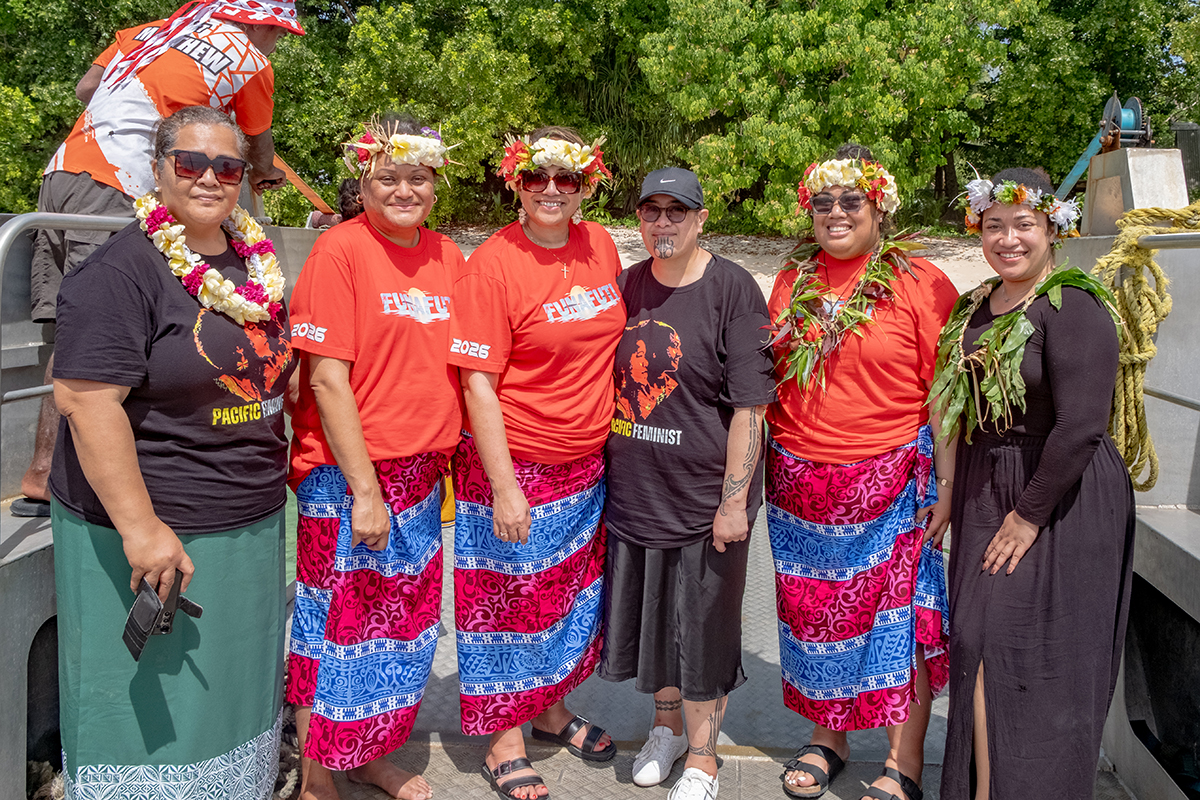
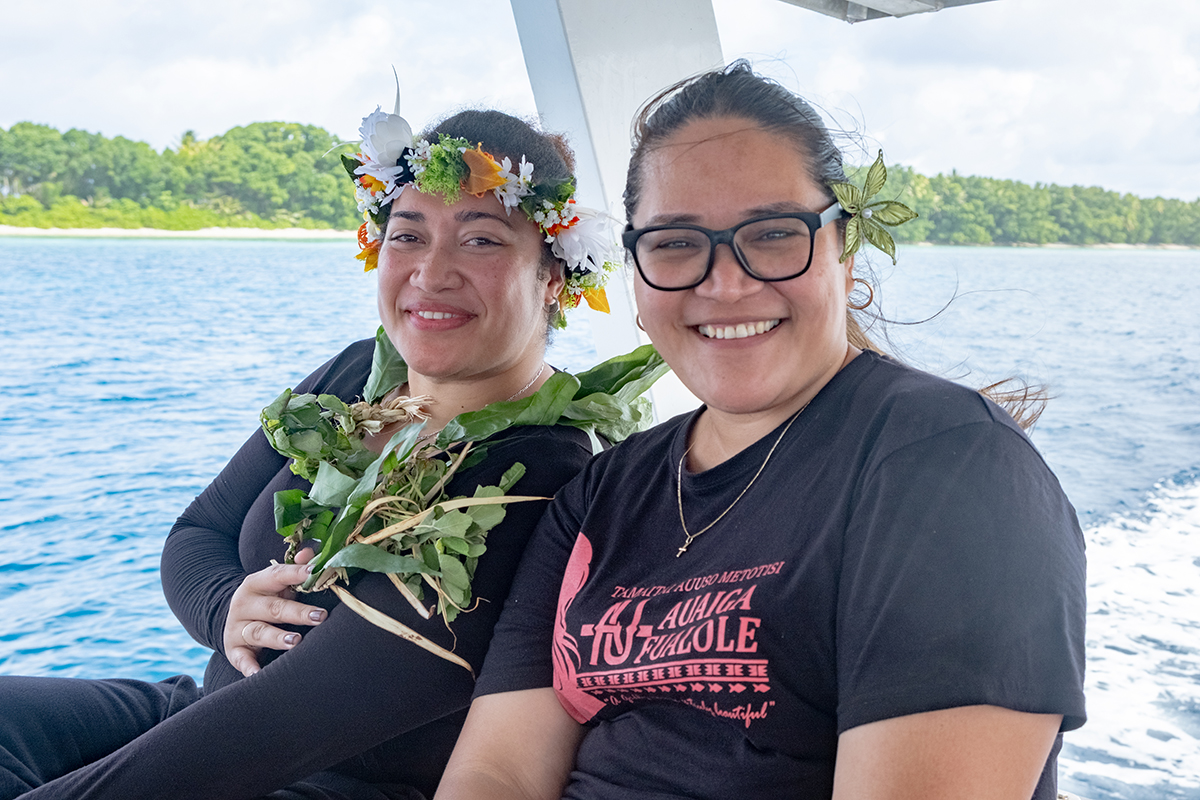
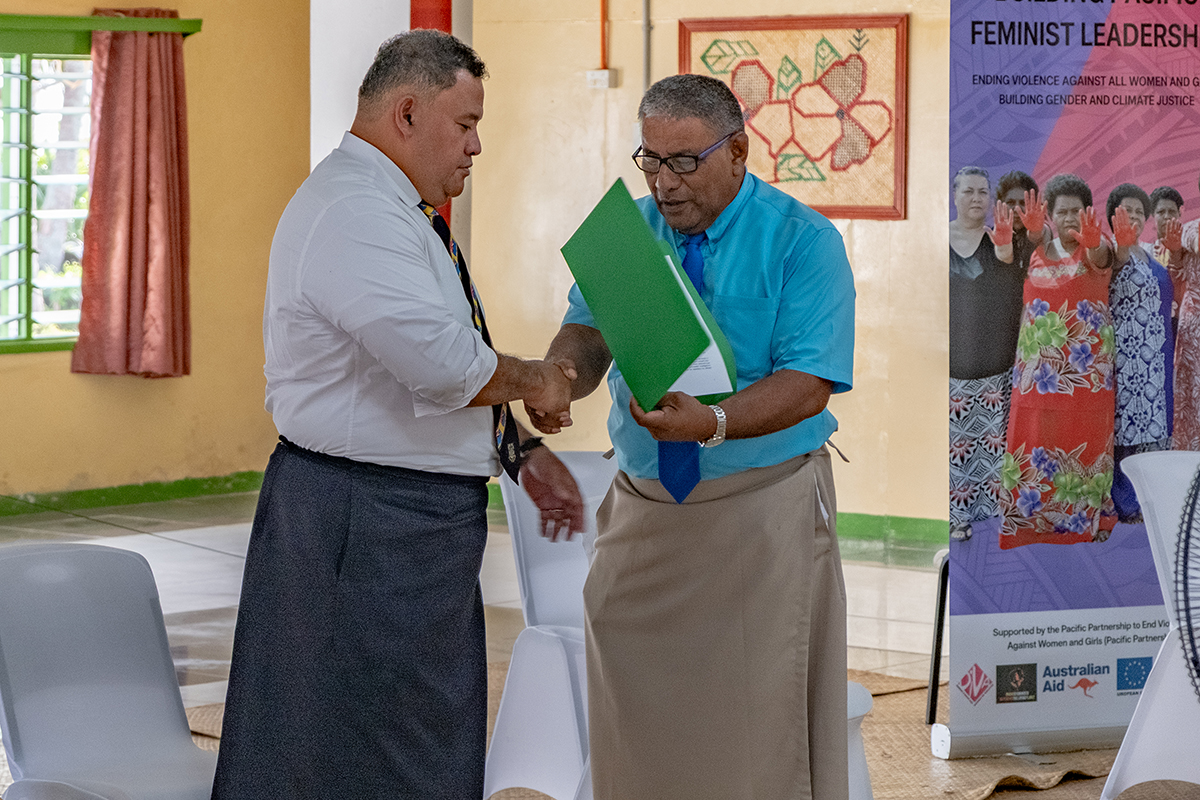
These concerns shaped the Tuākoi Lei – Faith, Gender and Climate Regional Convening, held in Funafuti, Tuvalu from 5-10 September. According to its draft outcome statement, the gathering brought together 40 women leaders from across the Blue Pacific, including Australia and Aotearoa New Zealand, to strengthen women’s leadership in the climate decisions affecting their communities.
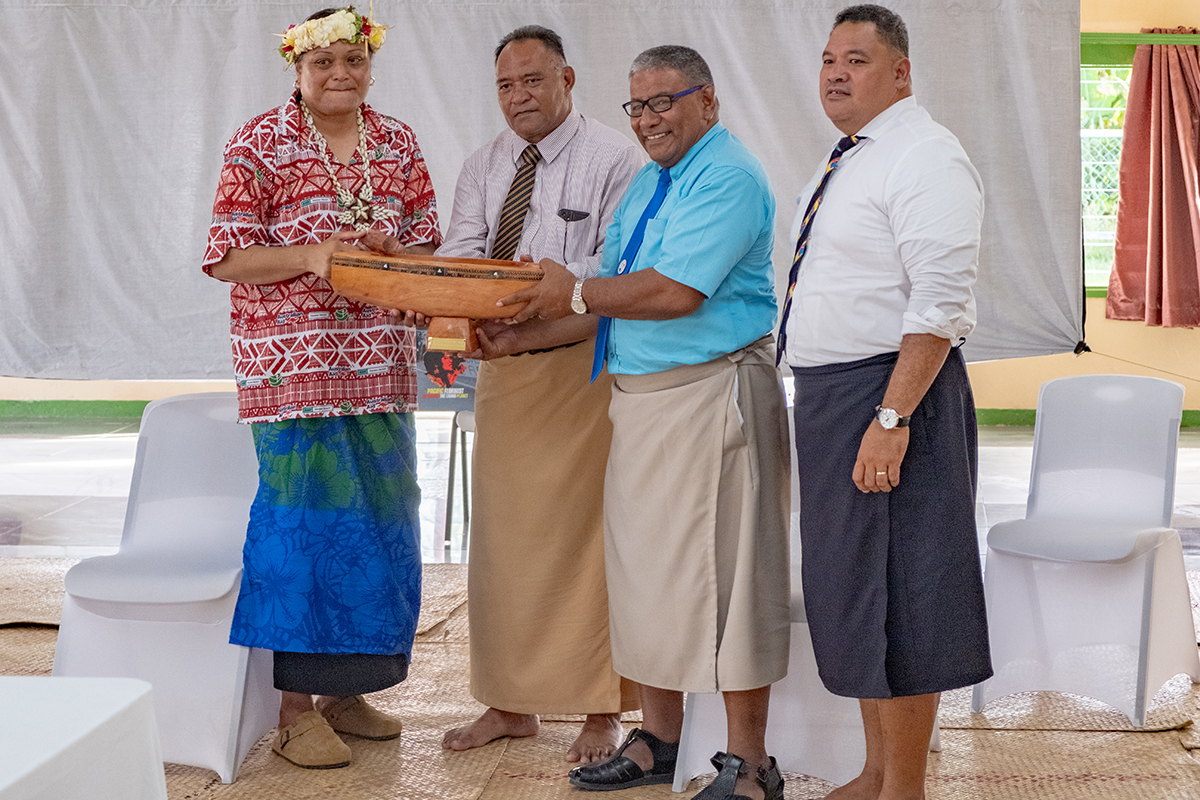
Convened at the invitation of the Government of Tuvalu through its Ministry of Climate Change and Environment, in partnership with the Pacific Conference of Churches, the gathering was supported by the hospitality of the Ekalesia Kelisiano Tuvalu (EKT).
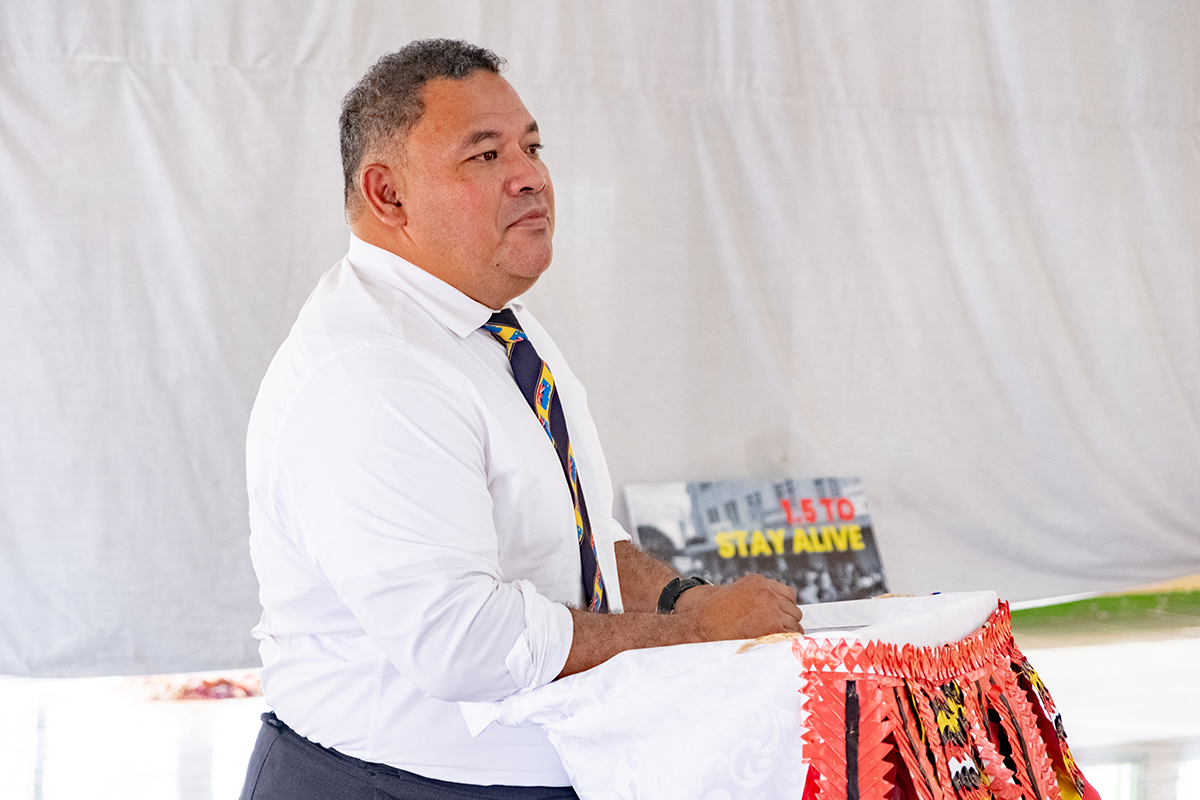
Uniting Church in Australia President Rev Charissa Suli joined the women leaders in Tuvalu, continuing the Church’s engagement with its Pacific neighbours.
The Uniting Church’s participation sits within its commitment to live out faith through care for creation, justice and relationships with partner churches. Through UnitingWorld, the Church works alongside Pacific churches on disaster preparation, sustainable livelihoods, gender equality and leadership. These are closely connected concerns in the communities represented at the convening.
There is also a responsibility to listen in ways that allow others to shape our direction. Speaking at the Pacific Church Leaders’ Meeting in Fiji in April, President Suli raised the concern that Pacific and Indigenous people are too often invited to share their stories without being given the opportunity to influence what follows. Her call for humility and deeper listening helps explain the importance of being present in spaces such as this one.
At the heart of the Tuvalu gathering was Tuakoi lei, the understanding of being a good neighbour, grounded in Jesus’ parable of the Good Samaritan. The draft outcome statement, titled Kalaga ke Fakatino : Call to Action, draws on the instruction in Luke 10:37: “Go and do likewise.”
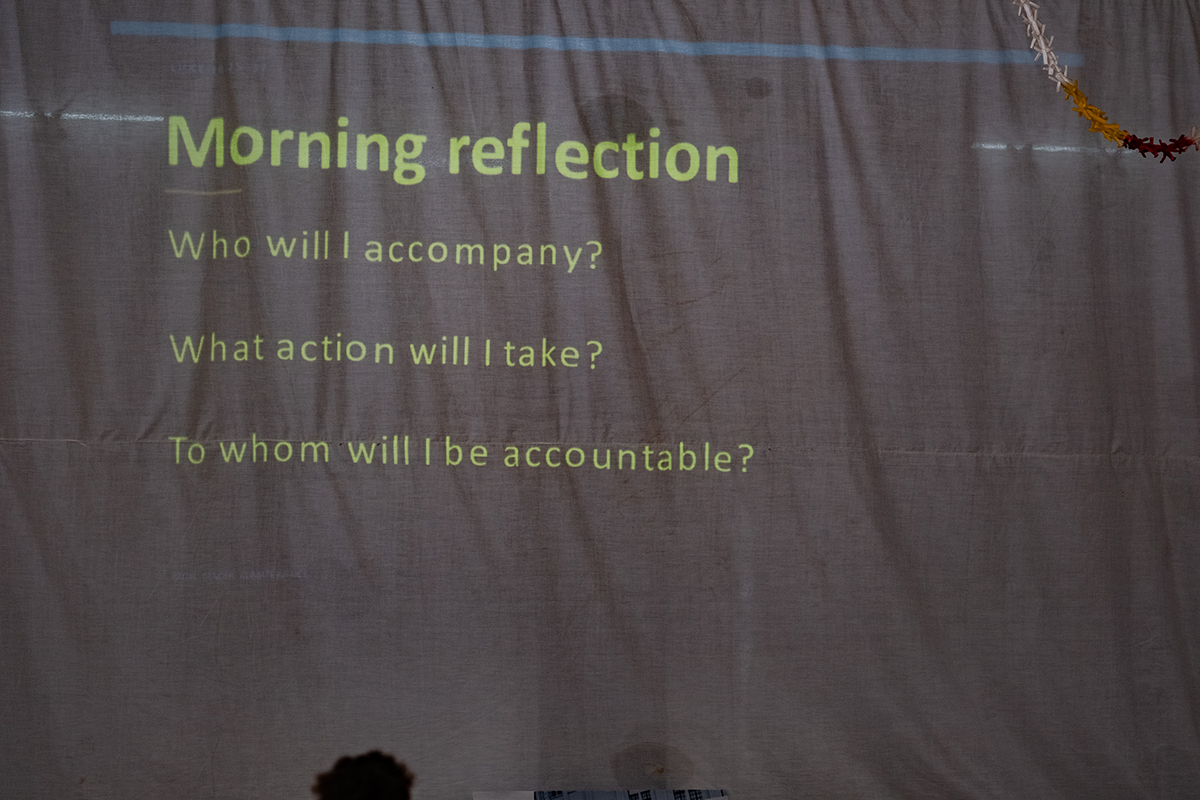
The women gave that call practical meaning through accompaniment, action and accountability: coming close enough to listen, responding to what communities need, and following through on commitments.
Their shared accounts show how deeply climate pressures are woven into other parts of life. Women from Solomon Islands described coastal erosion and the loss of ancestral ground. Contributions from the Marshall Islands connected climate concerns with the continuing legacy of nuclear testing. In Vanuatu, disaster preparedness and the role of churches in helping communities respond were central concerns.
The statement also confronts violence against women and girls. Drawing on experiences shared from Papua New Guinea, Kiribati and Tuvalu, it describes how displacement, disaster and economic strain can deepen existing dangers. It calls on churches and governments to make women’s safety an essential part of climate responses, alongside food, water and shelter.
This has implications for the decisions ahead.
Fiji will host the official pre-COP preparatory meeting, with a leaders’ event in Tuvalu from 5–8 October. COP31 will follow in Antalya, Türkiye, from 9–20 November, with Australia serving as President of Negotiations. These meetings offer an opportunity to carry the priorities raised in Tuvalu into international decisions.
Meaningful participation by Pasifika women could help leaders examine whether their proposals will work in the communities they are intended to serve. Women leading food production, preparing families for disasters and sustaining cultural knowledge bring experience that should inform how funding is allocated and how success is measured.
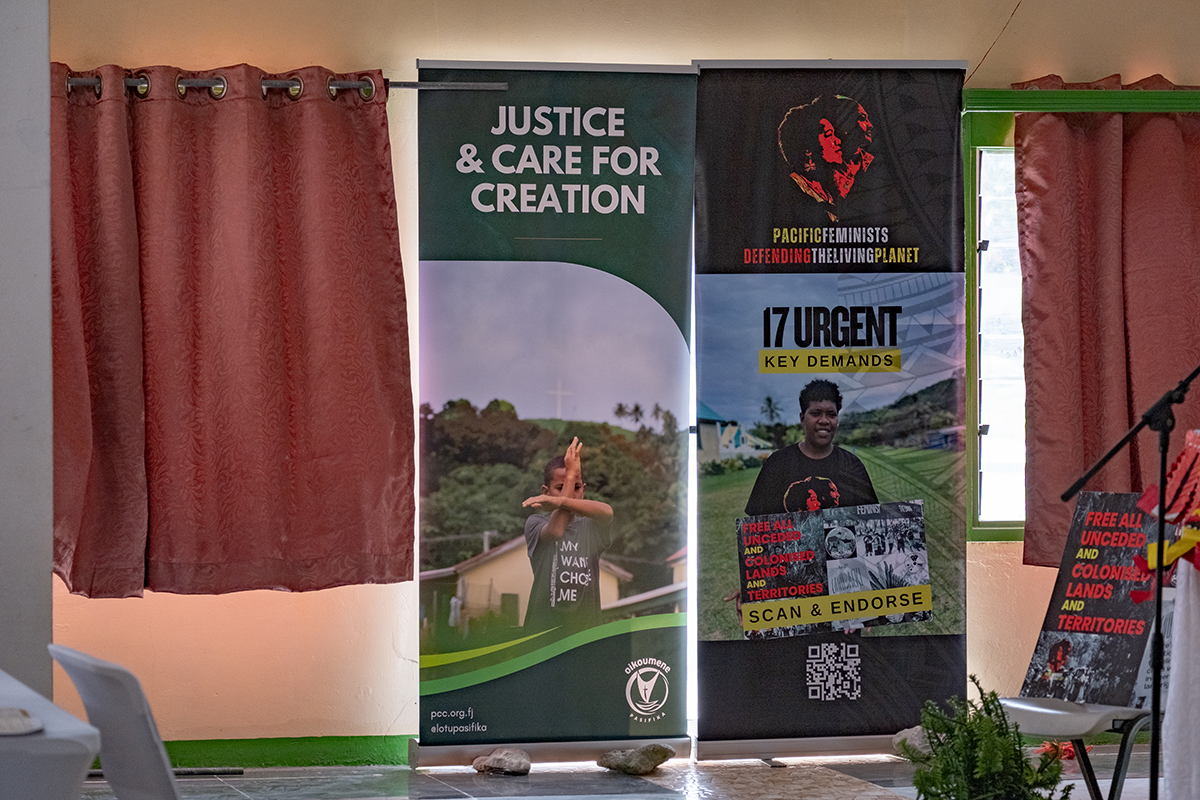
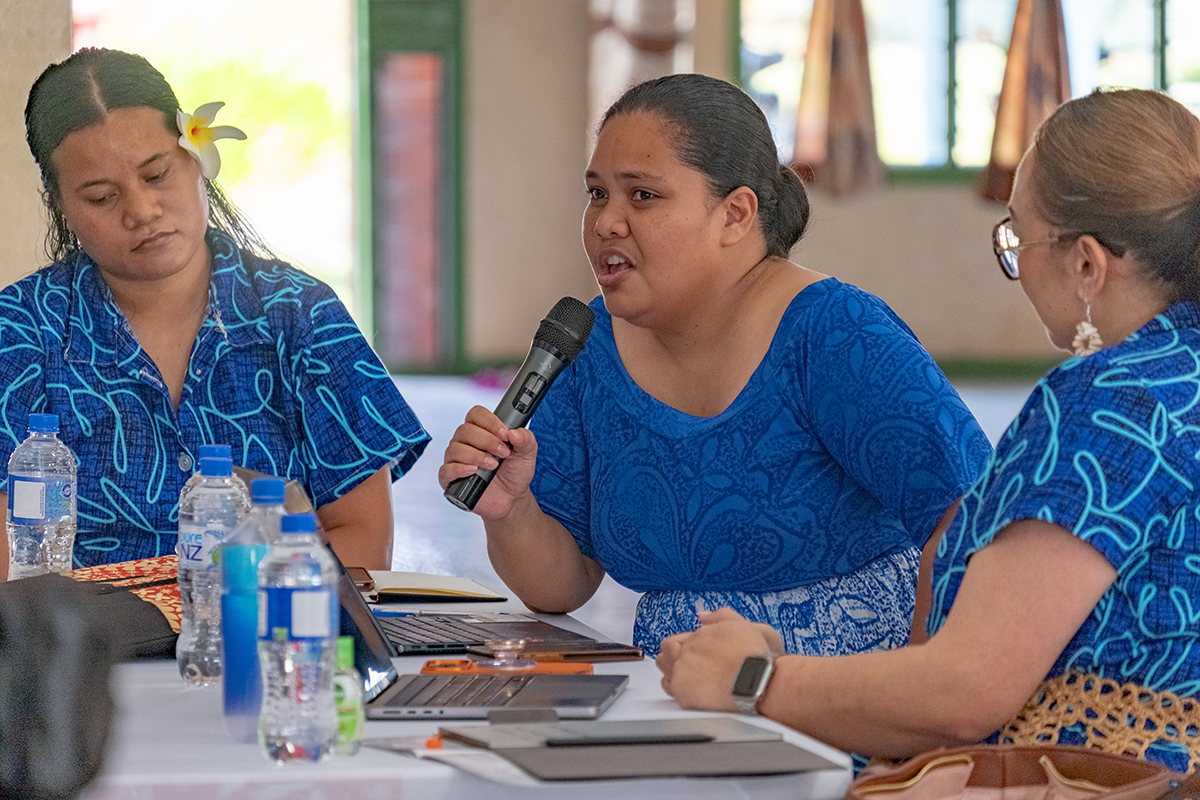
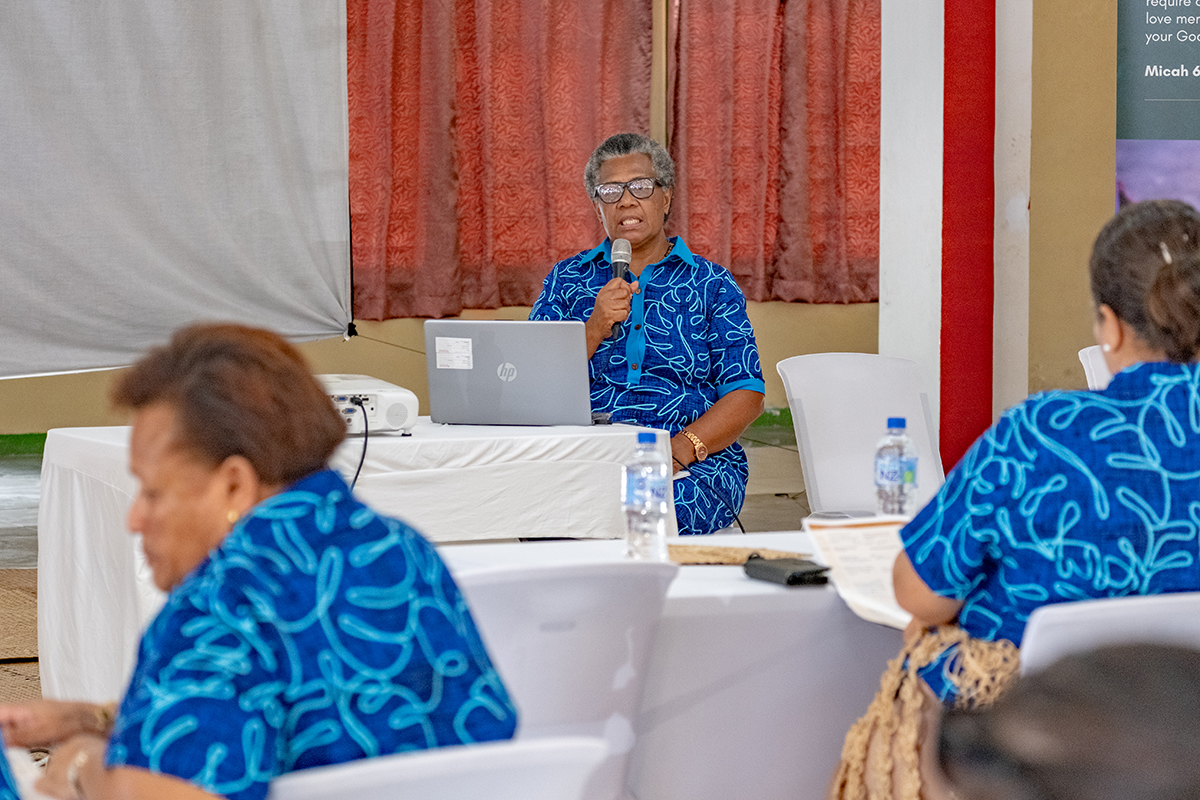
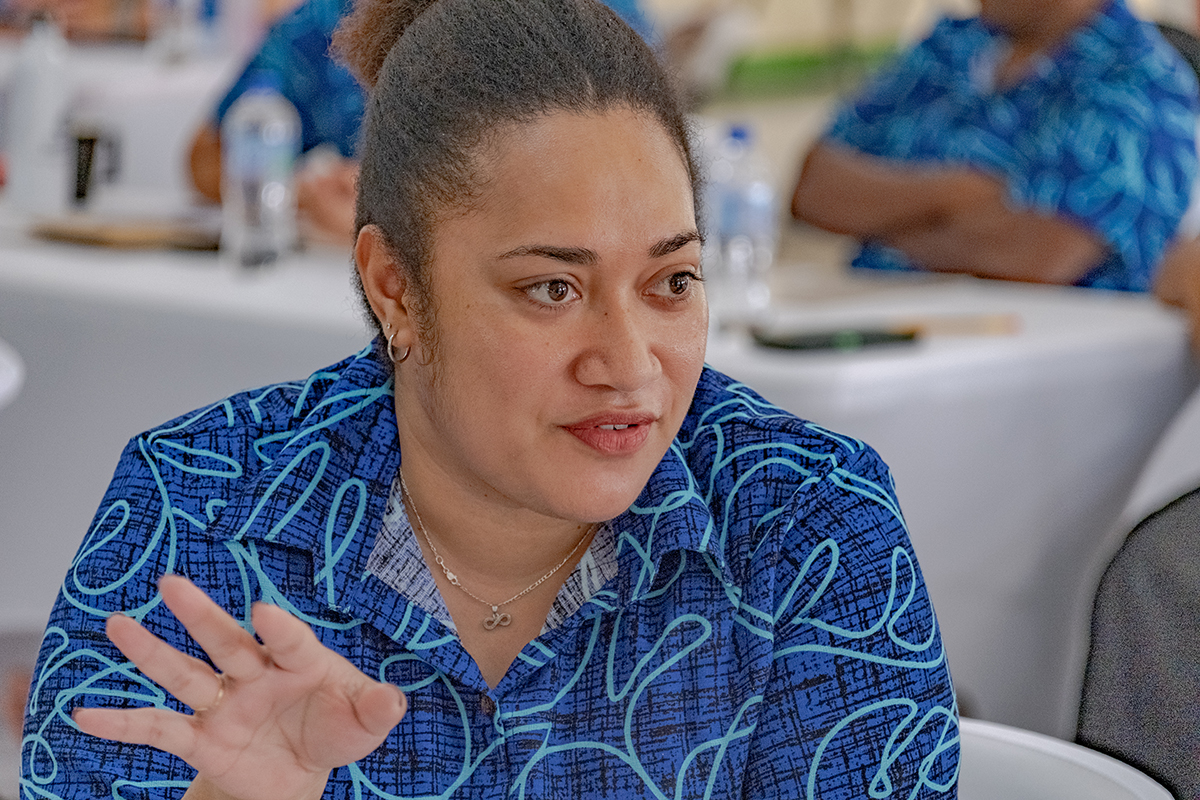
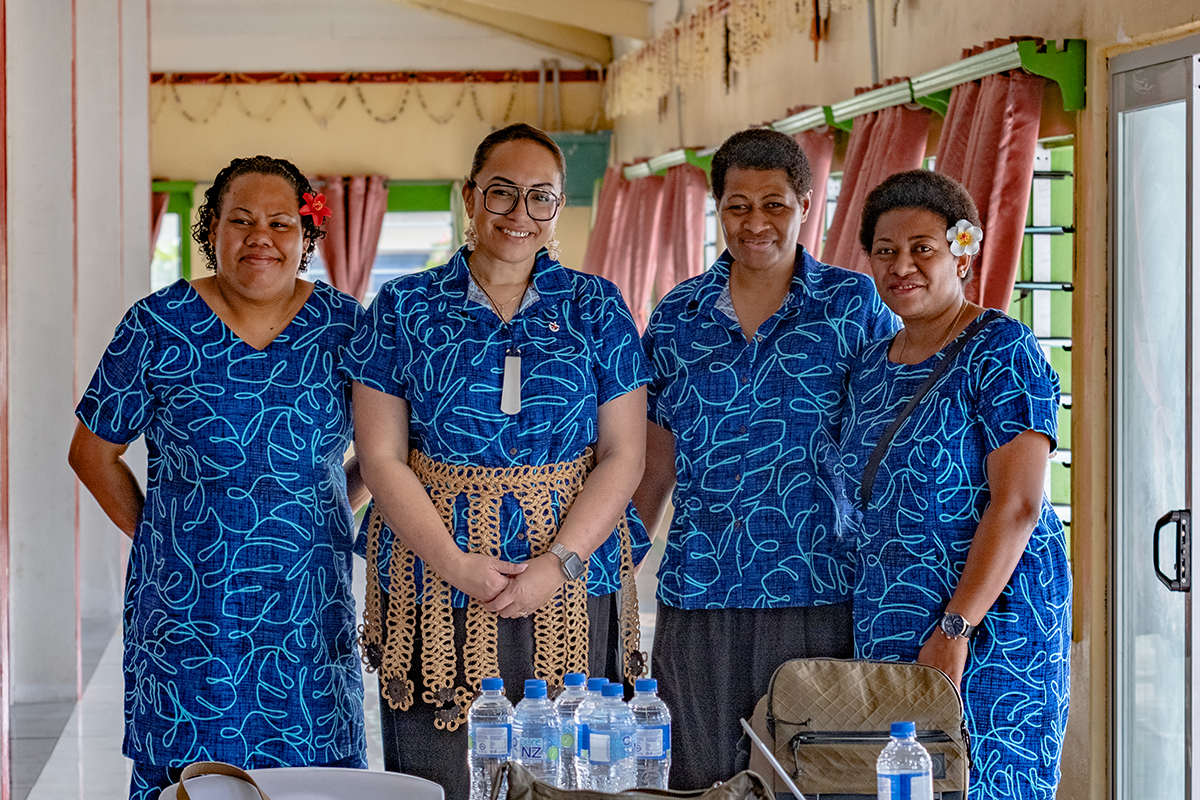
The draft statement is specific about what is needed. It calls for direct support for women working in agroecology and organic farming, educational resources in local languages, and the preservation of cultural knowledge. It asks governments to support women, young people and people with disability to participate in decisions, and to include their perspectives in climate strategies.
Taken seriously, these proposals would ask more of leaders than an invitation to speak. They would require resources for participation and a clear place for women’s recommendations in the work that follows.
Subscribe to our newsletter
If you want to get the latest news from the Uniting Church in Australia then subscribe to our weekly newsletter delivered to your inbox.

More news from the Assembly
Bringing community voices to the heart of Parliament
Bringing community voices to the heart of Parliament Subscribe to our newsletter If you want to get the latest news from the Uniting Church in Australia then subscribe to our weekly newsletter delivered to your inbox. Decisions made in Parliament House can have profound outcomes far beyond Canberra. They shape whether community services have…
Queensland gathers for its 39th Synod
Queensland gathers for its 39th Synod meeting How can the Uniting Church embrace renewal, strengthen local ministry and empower the next generations of leaders? These questions shaped three days of worship, conversation and discernment at the 39th Queensland Synod held last weekend. Gathering under the theme ‘Renewal: Praying Without Ceasing’, members from across Queensland…
A Story of Belonging
A STORY OF BELONGING Corina Sumner’s artwork for Held Together By Michael Zewdie Through weaving, water and the meeting of cultures, Corina Sumner’s artwork invites the Uniting Church to consider how we belong to one another while honouring the stories each of us carries. “This artwork is a story…
President's pastoral message following Helen Haines attack
President’s pastoral message following attack In the aftermath of the attack on Helen Haines MP, Rev Charissa Suli has released this message and prayerAs we continue to hold Dr Helen Haines MP, her husband Phil, and their family and the Wangaratta community in our prayers, we recognise the profound suffering caused by this devastating attack…
From where will liturgical renewal come?
From where will liturgical renewal come? By Matthew Julius, Liturgical Renewal Project Lead I recently attended the Australian Academy of Liturgy (AAL) conference, Liturgy Under the Southern Cross. AAL brings together liturgical scholars from different churches across Australia to reflect on Christian worship and its connections to the “public work” of the church (which…
Receiving the Gift of the Spirit
Receiving the Gift of the SpiritReflections on two years as General SecretaryBy Andrew JohnsonTwo years ago, I stood before the 17th Assembly of the Uniting Church in Australia and accepted the call to serve as General Secretary. I spoke of the commitments I hoped would shape my leadership: our Covenant with First Peoples, our calling…
Prayers for Helen Haines MP
Prayers for Helen Haines MPA prayer from Rev Charissa Suli, President, Uniting Church in AustraliaI invite the Uniting Church across Australia to pray for Helen Haines, the independent Federal Member for Indi, following a serious incident outside her electorate office in Wangaratta on Monday afternoon. Lord God, We hold Helen, her family, friends, staff and…
Celebrating 60 Years Since the Ordination of Dr D'Arcy Wood
Celebrating 60 Years Since the Ordination of Dr D’Arcy Wood A Lifetime of Service: Celebrating 60 Years Since the Ordination of Dr D’Arcy Wood This year marks the 60th anniversary of the ordination of Rev. Dr Harold D’Arcy Wood, one of the most respected theologians, church leaders and ecumenists in the…