
Satara’s story: listening for justice
Meet Satara Uthayakumaran, whose lifelong faith journey in the Uniting Church has shaped her commitment to justice, service and amplifying young people's voices
July 27, 2026
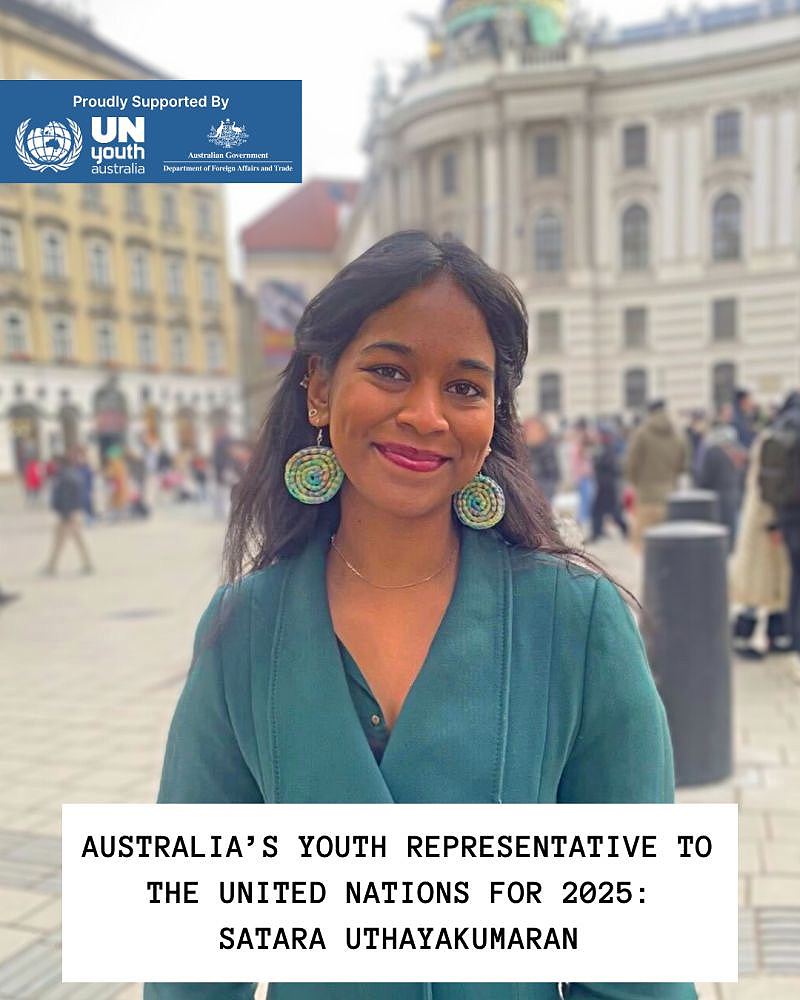
For Satara Uthayakumaran, advocacy has never been about having the loudest voice in the room. It has always begun with listening.
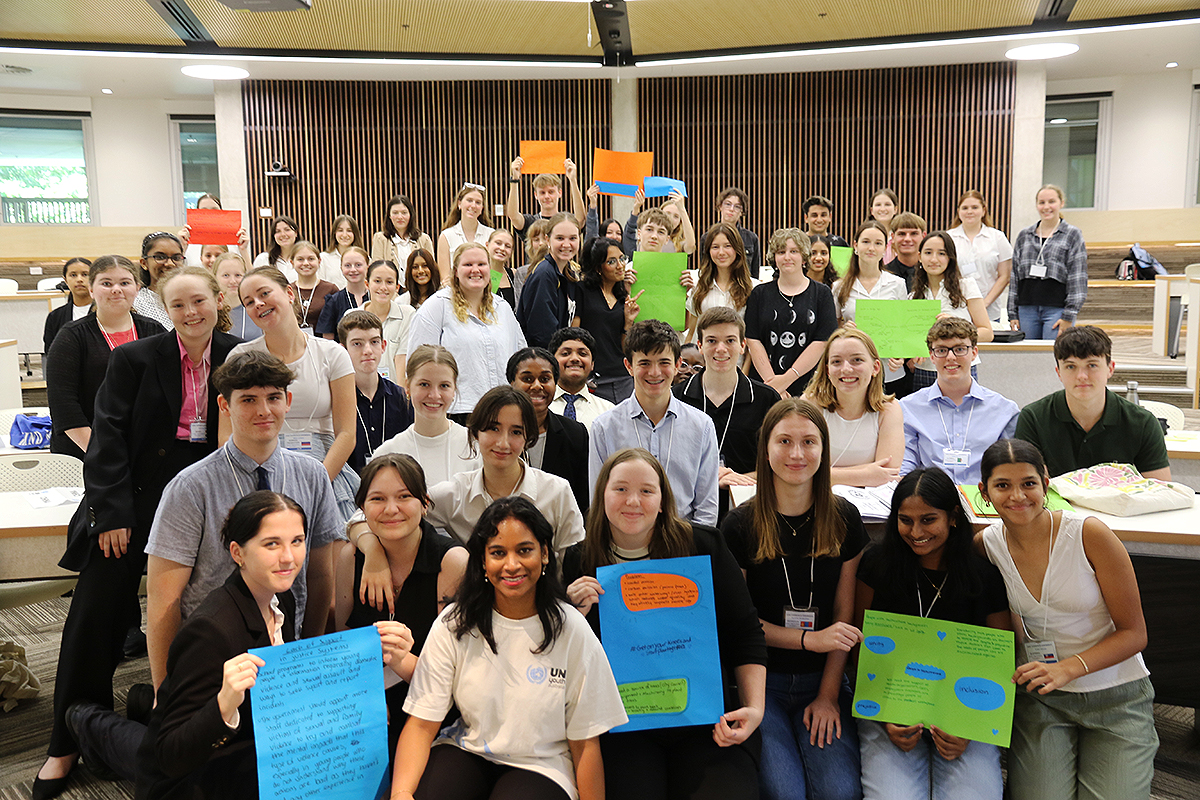
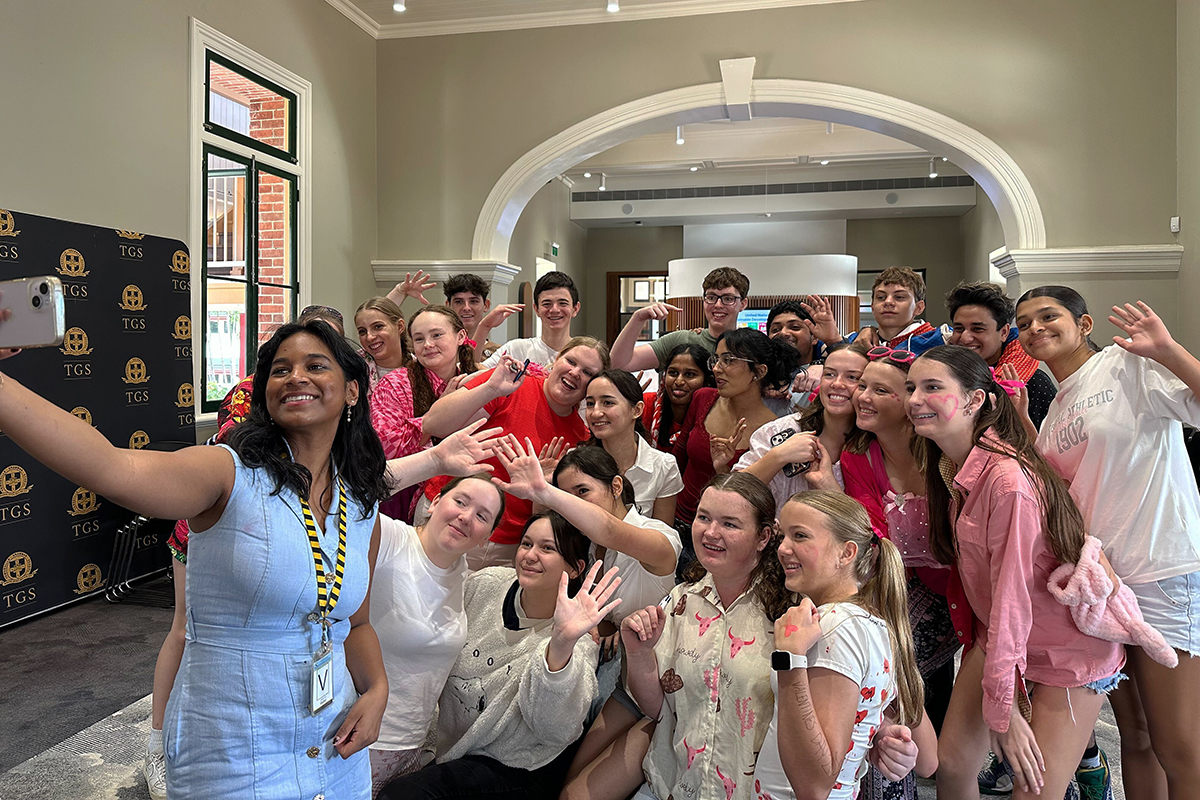
At just 23, the lifelong member of North Ryde Uniting Church has already built an impressive resumé of public service. In 2025, Satara served as Australia’s Youth Representative to the United Nations, travelling thousands of kilometres to hear directly from young people in every state and territory before taking their stories to the world’s highest diplomatic forums.
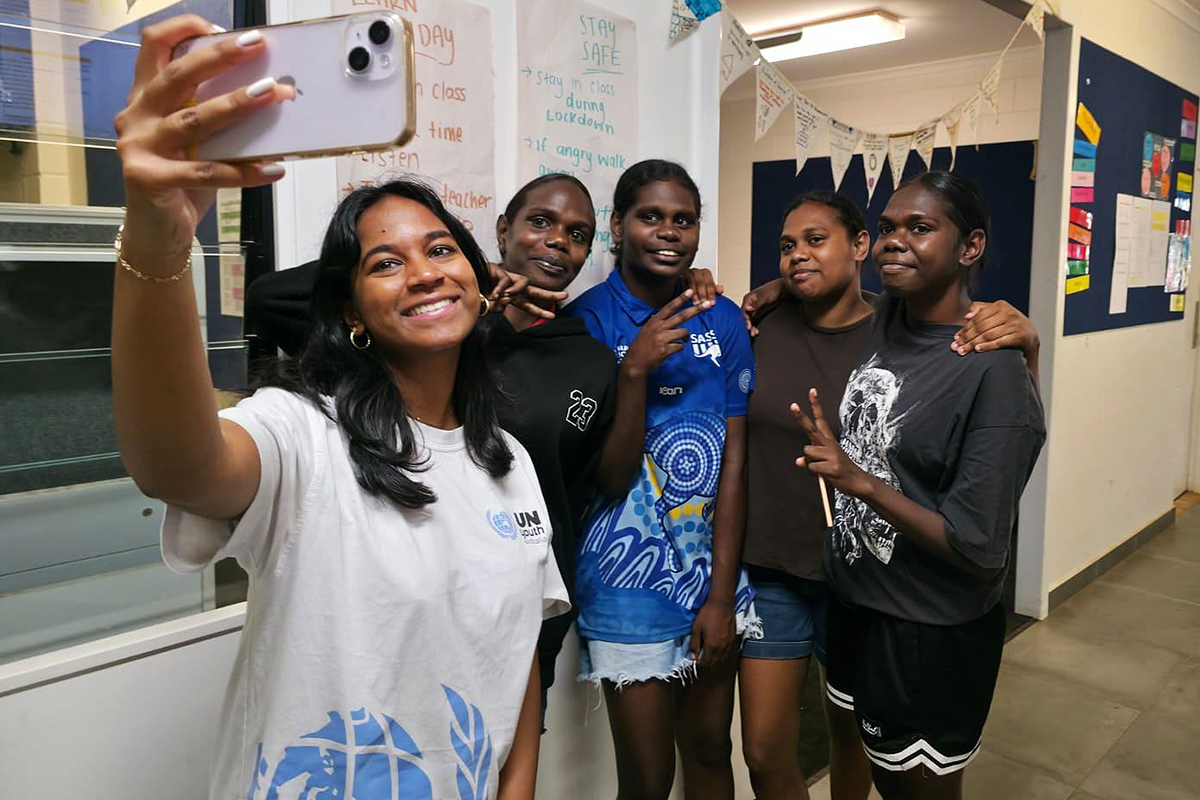
Whether she was sitting with young people in remote First Nations communities, youth detention centres or regional towns, Satara was guided by the same belief: every person deserves to be heard.
It is a conviction deeply rooted in her Christian faith and her life in the Uniting Church.
“I think I was two when my parents started taking me to North Ryde Uniting,” she says. “I’ve been there for a long time.”
Her parents, Luther and Surjani, migrated from Sri Lanka, bringing with them a faith shaped by justice and compassion during the country’s civil war.
“When I talked to my parents about why they chose North Ryde specifically, I think it was because they found that the Uniting Church was really closely tied with the kind of social justice Christianity that they were really used to.”
Subscribe to our newsletter
If you want to get the latest news from the Uniting Church in Australia then subscribe to our weekly newsletter delivered to your inbox.
Those values were part of everyday life in the Uthayakumaran household.
“My parents brought us up talking about these kinds of issues at the dinner table,” Satara says. “A lot of the human rights struggles that happened in Sri Lanka were common conversations that we had all the time.”
Alongside those discussions over meals was another experience that shaped her. As the older sister of Karuka, who lives with disability, Satara grew up in a caring role.
“I think growing up as a young carer, you have to become an advocate very early on in your life,” she reflects. “One of the things I get asked quite often is, ‘When did you become an advocate?’ I’m kind of like, I didn’t really become an advocate. I think it was always just part of being a good big sister.”
Those experiences gave her an early understanding of injustice, but also a determination to respond to it with care and courage. Just as important was the church community that nurtured her.
“The church has kind of brought us both up together,” she says. “It’s been a really lovely experience.”
At North Ryde Uniting, she learned that empathy is something people practise together.
“At our church we have lots of people with different abilities and from different nationalities, very different walks of life. Learning that empathy and community was really important in shaping who I am today.”
Although based in Canberra while completing a Bachelor of Arts and Law at the Australian National University, Satara still thinks of North Ryde as home.
“I have such a strong connection with North Ryde – the community there is really special. I tend to come when I’m on breaks, and sometimes I join on Zoom from Canberra.”
That support mattered during one of the busiest years of her life.
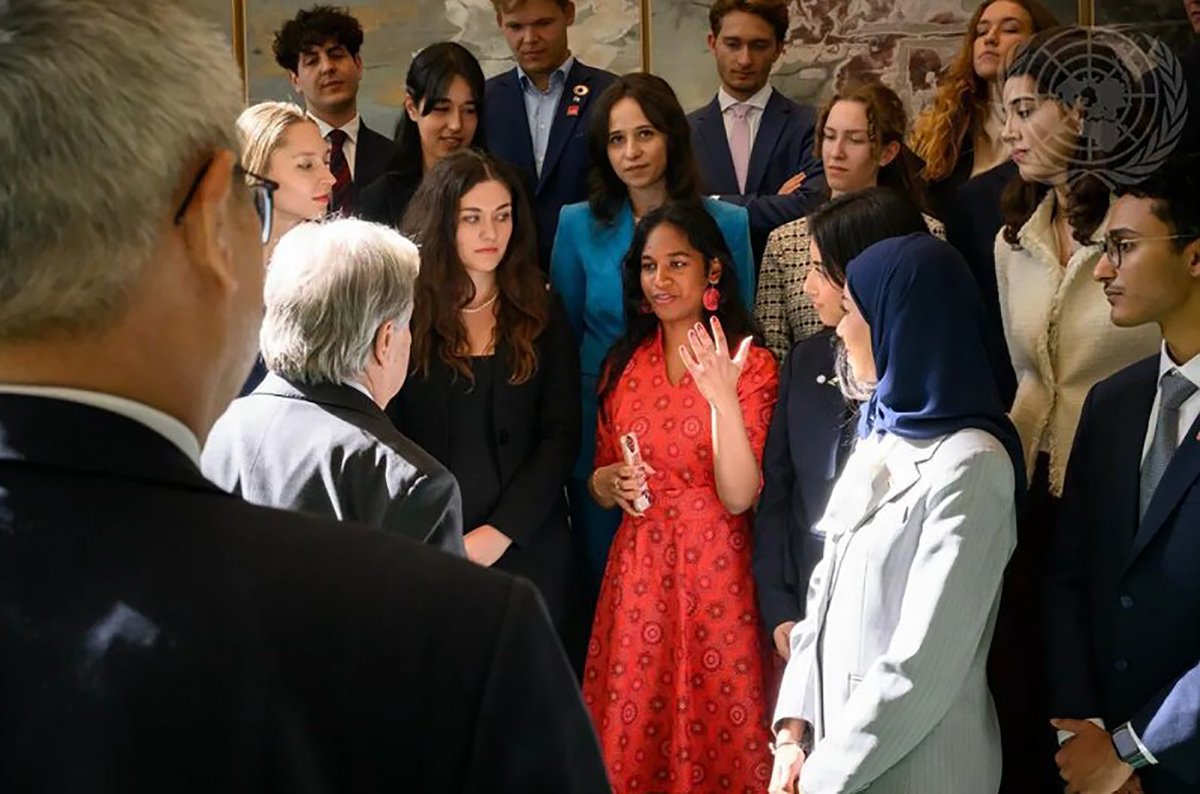
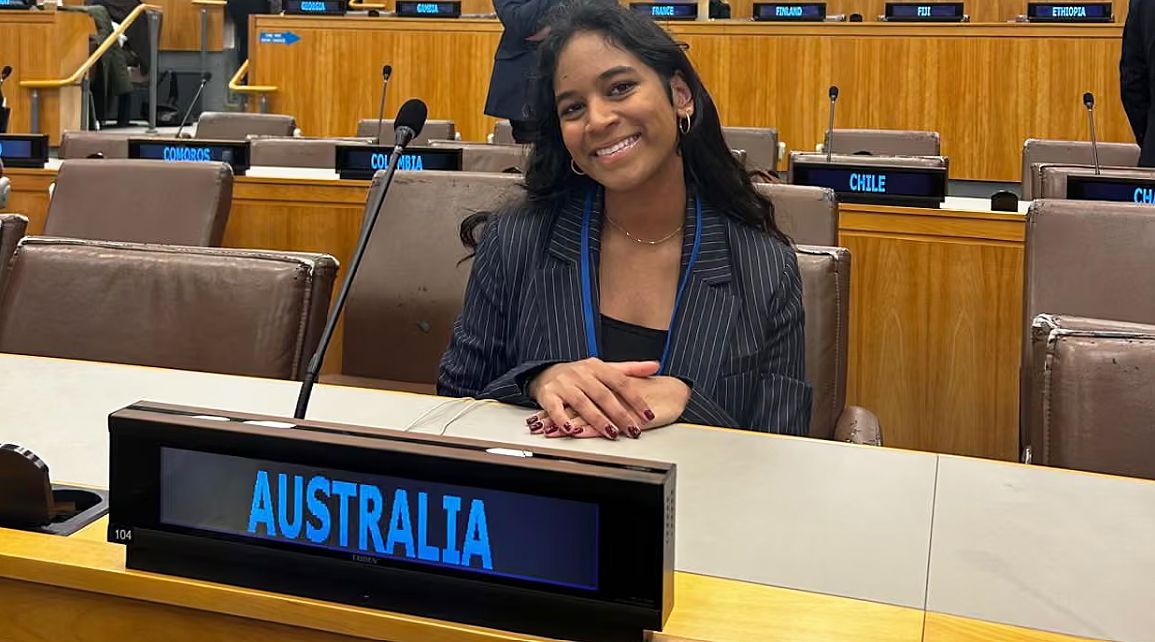
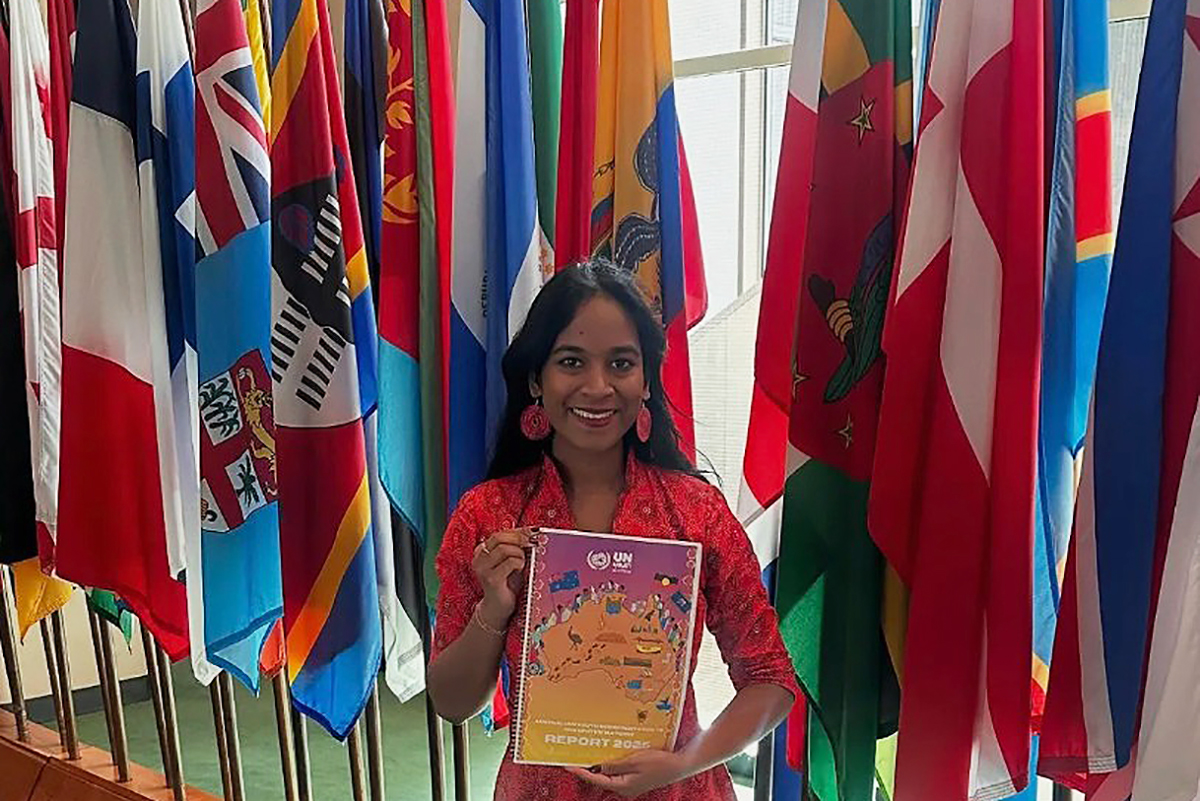
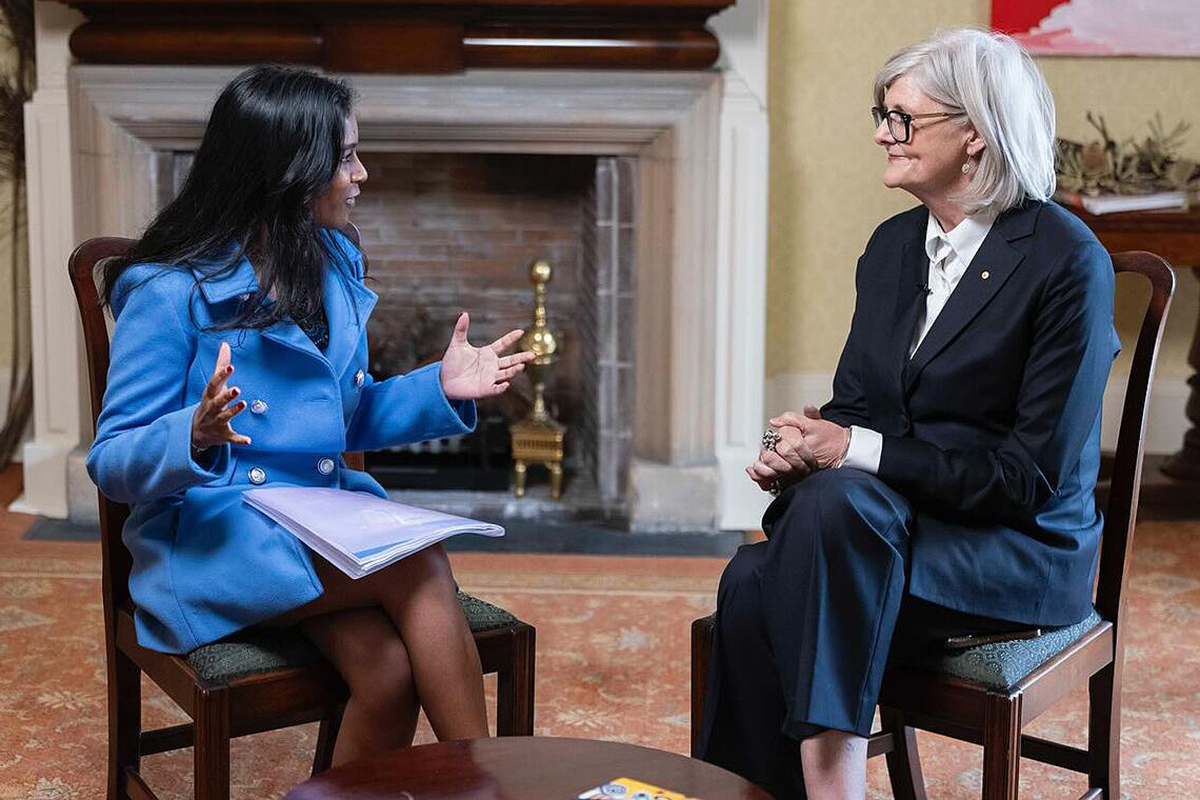
Selected through a national process run by UN Youth Australia and the Department of Foreign Affairs and Trade, Satara spent more six months travelling Australia as Youth Representative to the United Nations. Her task was to lead the country’s largest face-to-face listening tour of young Australians, then take those voices to the United Nations General Assembly in New York, COP30 in Belém, and later with the Governor-General of Australia, Sam Mostyn AC.
“I really wanted to make sure I got to as many different parts of Australia as possible,” she says.
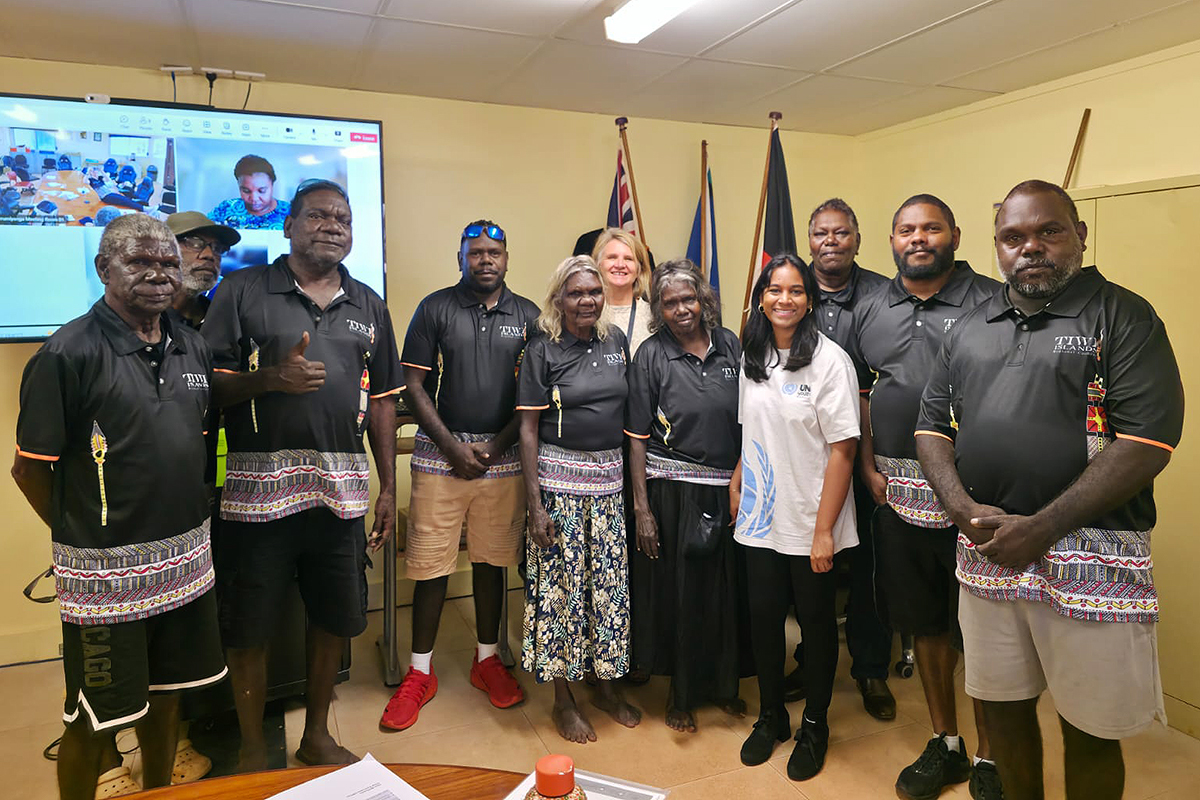
The journey took her from Christmas Island to the Tiwi Islands, from remote communities in Central Australia to youth detention centres and out-of-home care residences.
Rather than relying only on statistics or reports, Satara invited young Australians to answer one simple question: “What would you say to the Prime Minister?”
She asked them to write letters.
“The reason I wanted the letters was because I kind of thought to myself, why do I get to be the middleman here?” she explains. “I really wanted young people, particularly young people who don’t normally express themselves very loudly, to be able to write directly.”
Some letters were pages long. Others were poems, drawings or a single sentence.
“It ended up being this really lovely tapestry of what young Australia looks like.”
Certain themes emerged repeatedly: cost of living, climate change, poverty, the need for safe community spaces, and the desire for young people to have a genuine seat at the table where decisions are made.
Some of the most moving conversations, though, happened inside youth detention centres.
“One of the reasons I really wanted to talk about young people in detention was because I think they are the ones whose voices are swept under the rug the most.”
One memory from Tasmania has stayed with her.
After spending a day helping young people write letters, Satara later received a call from a youth worker.
“The kids had stuck up their letters all over the centre because they were so proud of what they had said,” she recalls. “It was the first time someone had said, ‘I value what you say and I want to take it to the Prime Minister.’”
For Satara, moments like these captured the heart of justice.
“They could be your friends, your siblings or your community,” she says. “A lot of the reasons young people were there were because life had dealt them these blows.”
Listening to such stories can be emotionally demanding, but Satara found strength in returning to her church community.
“It was always really nice to come back to the community at church and talk about the things that I had seen and heard,” she says. “They were really that place of counselling, community and listening. That community was just so important to me.”
Her Christian faith continues to provide the foundation for her work.
“The values of equality and justice, and everyone being equal before the eyes of God, were a huge part of the way I shaped my values growing up.”
Today, Satara continues to advocate through public policy, media and community engagement. A finalist in the 2025 Australian Human Rights Awards, she has also served on the ABC Youth Advisory Committee, as a National Youth Advisor for Amnesty International Australia, and worked with the ACT Human Rights Commission and the Department of the Prime Minister and Cabinet.
Yet despite these remarkable achievements, she remains convinced that lasting change begins not with extraordinary people, but with ordinary acts.
“People often say to me, ‘I could never do what you do,’” she says. “Hands down, I just want to say that’s not true.”
“The crux of my role ultimately is to listen.”
“I think everyone can learn from sitting down with people from very different walks of life and understanding their perspective.”
For Satara, that simple act of listening is where justice begins – and where the gospel continues to call God’s people today.
More news from the Assembly
President's Pastoral Prayer for Pope Leo XIV
President’s Pastoral Prayer for Pope Leo XIV By President Rev Charissa SuliAs we hold Pope Leo XIV in our prayers during this time of illness and recovery, we join with our Catholic siblings in Christ or Catholic Community around the world expressing our ecumenical solidarity and care. As part of the wider Christian Church, we share…
'We are all clay jars' - a reflection on National Mental Health Week
13 October 2026 A reflection on National Mental Health Week from the General Secretary, Andrew Johnson. Read more about the initiatives around Mental Health at the National Mental Health Commission and about global efforts at the UN World Mental Health Day page. Eight days without sleep. A head filled with ideas. Not feeling tired.…
A Covenant that changes us
By Michael ZewdieInaugural Rev Dr Michelle Cook Lecture connects deep listening with the call to share power, enact justice and learn together.“Covenant is not a statement the church makes about relationship. Covenant is a relationship that changes the church.” — Rev Ken SumnerSubscribe to our newsletterIf you want to get the latest news from the…
Hannah Jackson Commissioned to Lead National Advocacy and Justice Ministry
The National Assembly’s Director of Advocacy and Justice, Hannah Jackson, was commissioned during worship at her home congregation, Ipswich Uniting Church in Queensland on Sunday. Led by Assembly General Secretary Andrew Johnson, the service featured a sermon from Uniting Church in Australia President Rev Charissa Suli, drawing on the theme “Built Together” as part of…
A confident nation does not fear diversity - President's statement on immigration policy
7 October, 2026 Immigration policy sits at the core of who we are as a country, and the kind of Australia we want to be. This week’s Coalition policy announcement advocating significantly reduced net overseas migration is deeply concerning because of its implications for our cultural diversity and our identity as a nation. As Australians…
Three years on: A message and prayer for peace
Three years on: A message and prayer for peace Image: Church of the Ascension, seen from the Mount of Olives in Jerusalem. Photo by Albin Hillert/WCC A pastoral message from Rev Charissa Suli, President of the Uniting Church in Australia, on the third anniversary of the 7 October attacks in Israel…
Uniting Church urges Australia to stand with Pacific on fossil fuels
Uniting Church President Rev Charissa Suli has urged Prime Minister Anthony Albanese to turn Australia’s commitment to its Pacific neighbours into action by backing a global treaty to phase out fossil fuels. Rev Suli is among 80 senior Australian faith leaders who have signed an open letter calling on the Prime Minister to support a…
Kulini… Are you listening?
Kulini… Are you listening?Northern Synod gathers for four days of worship, deep listening and discernment By Micheal ZewdieThe 48th Northern Synod brought members of the Uniting Church together in Darwin for four days of worship, conversation, discernment and celebration, with the invitation “Kulini… are you listening?” providing a thread through the gathering.“The invitation at the heart…