
WCC Beijing 30+ Consultation held in Indonesia
The World Council of Churches' Beijing 30+ Consultation marked 30 years since the 1995 Beijing Platform for Action
December 10, 2025
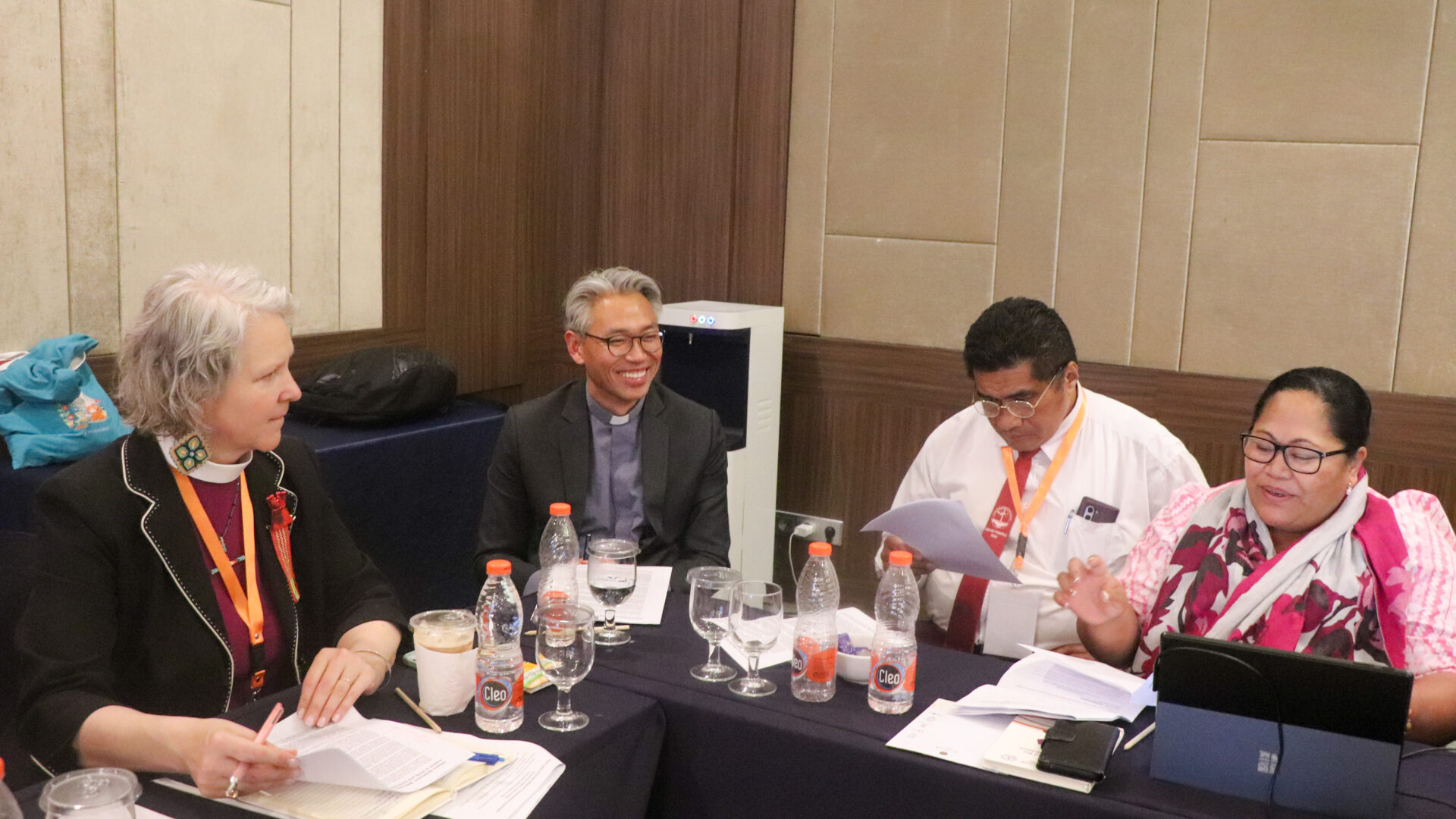
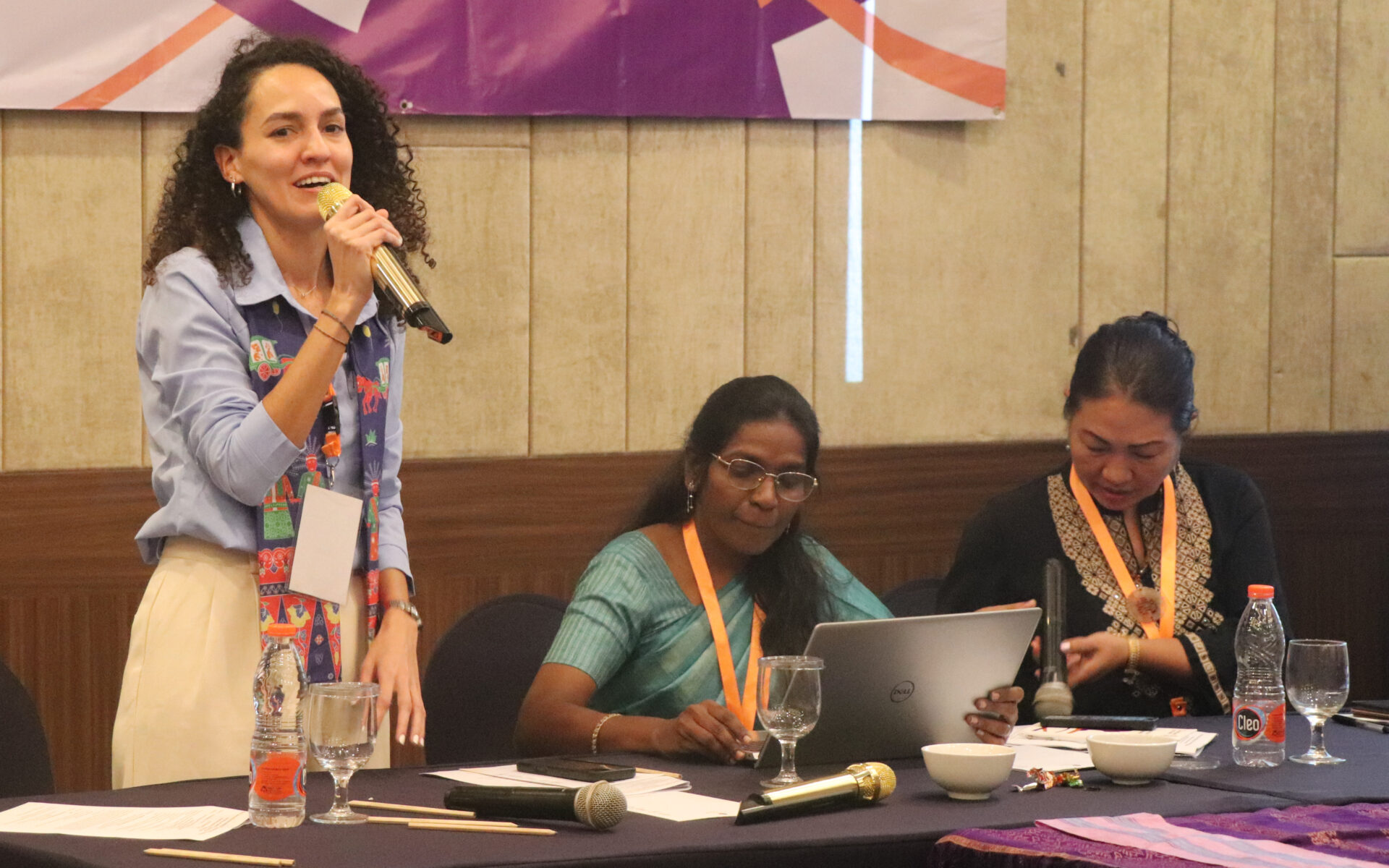
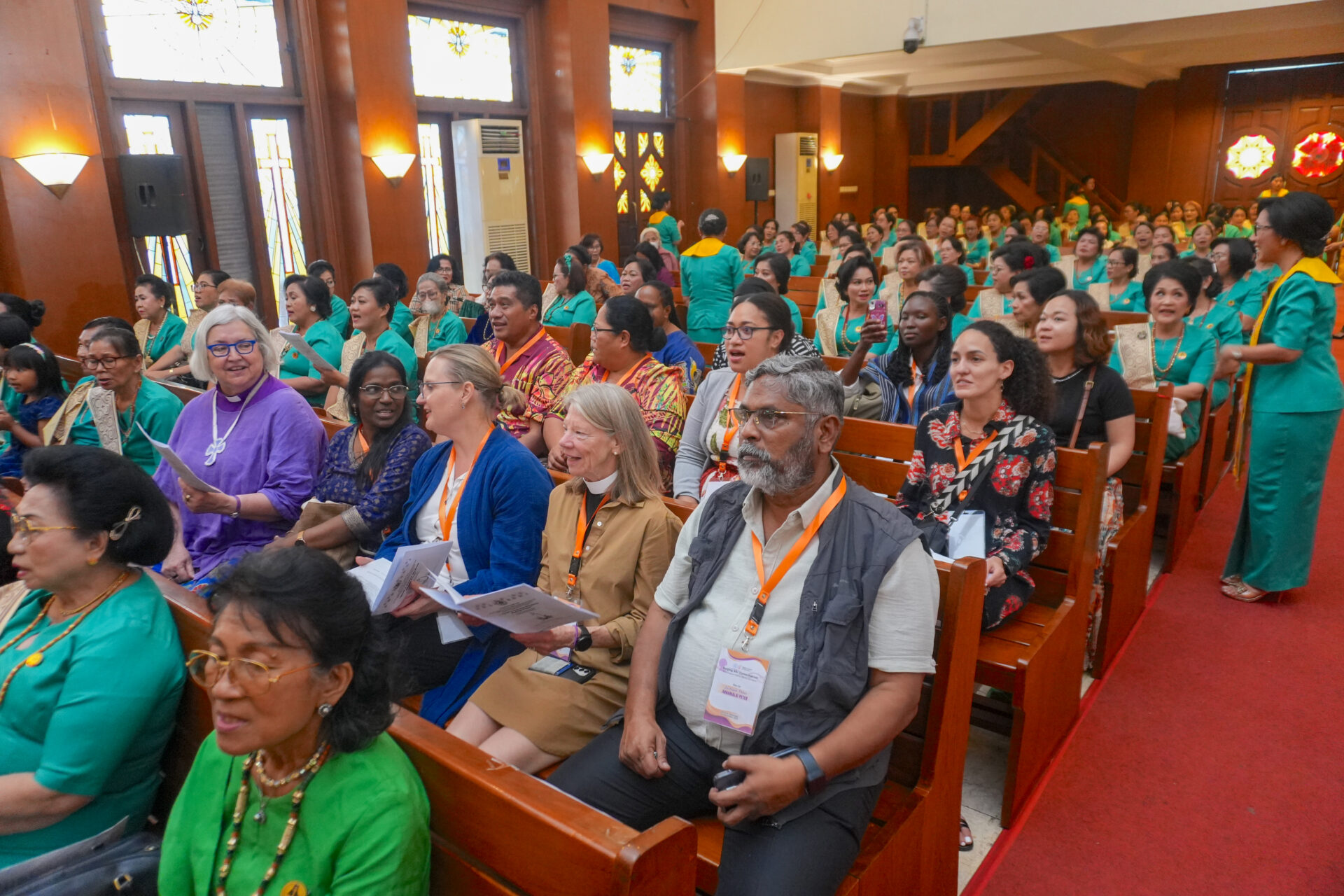
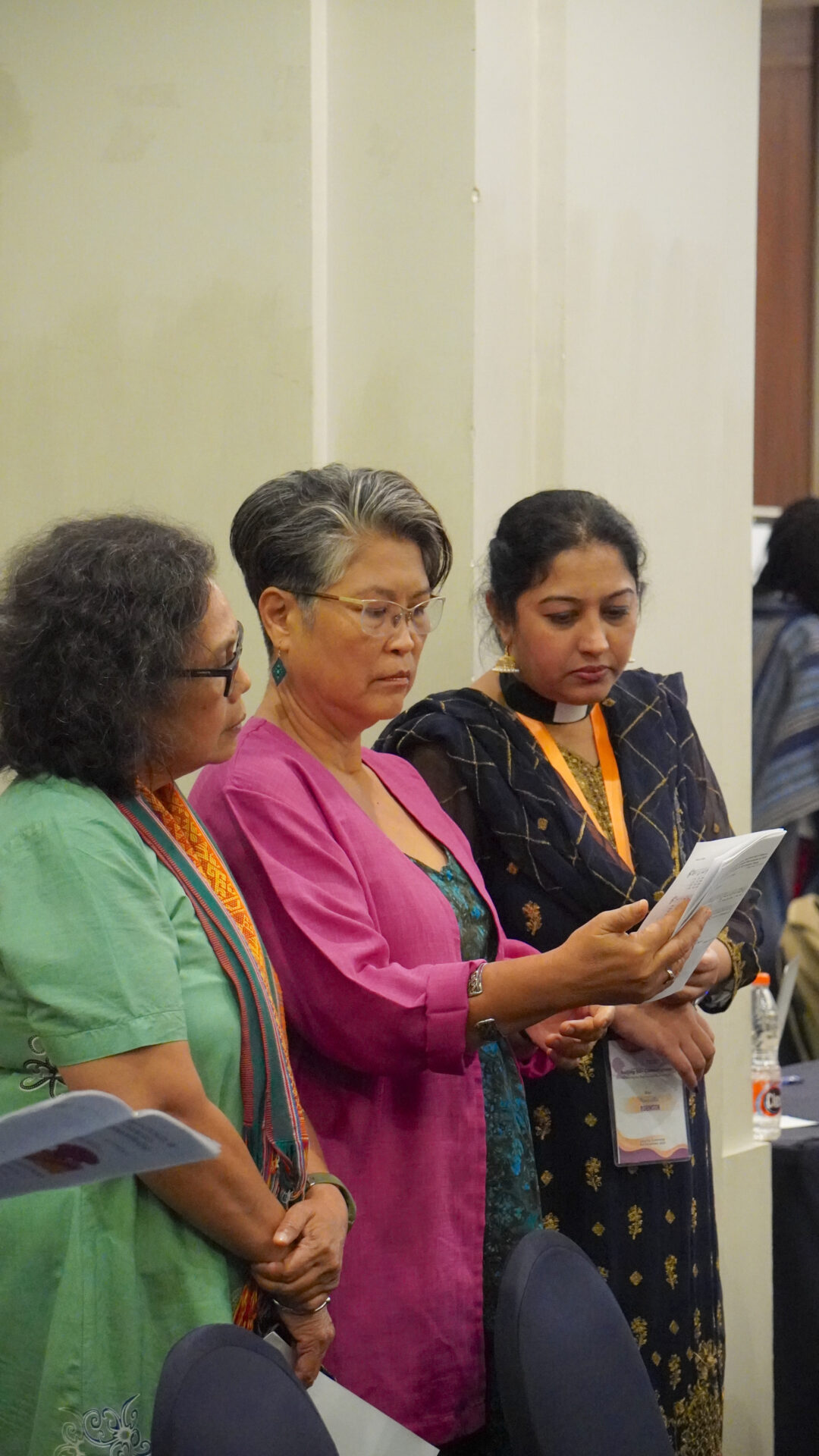
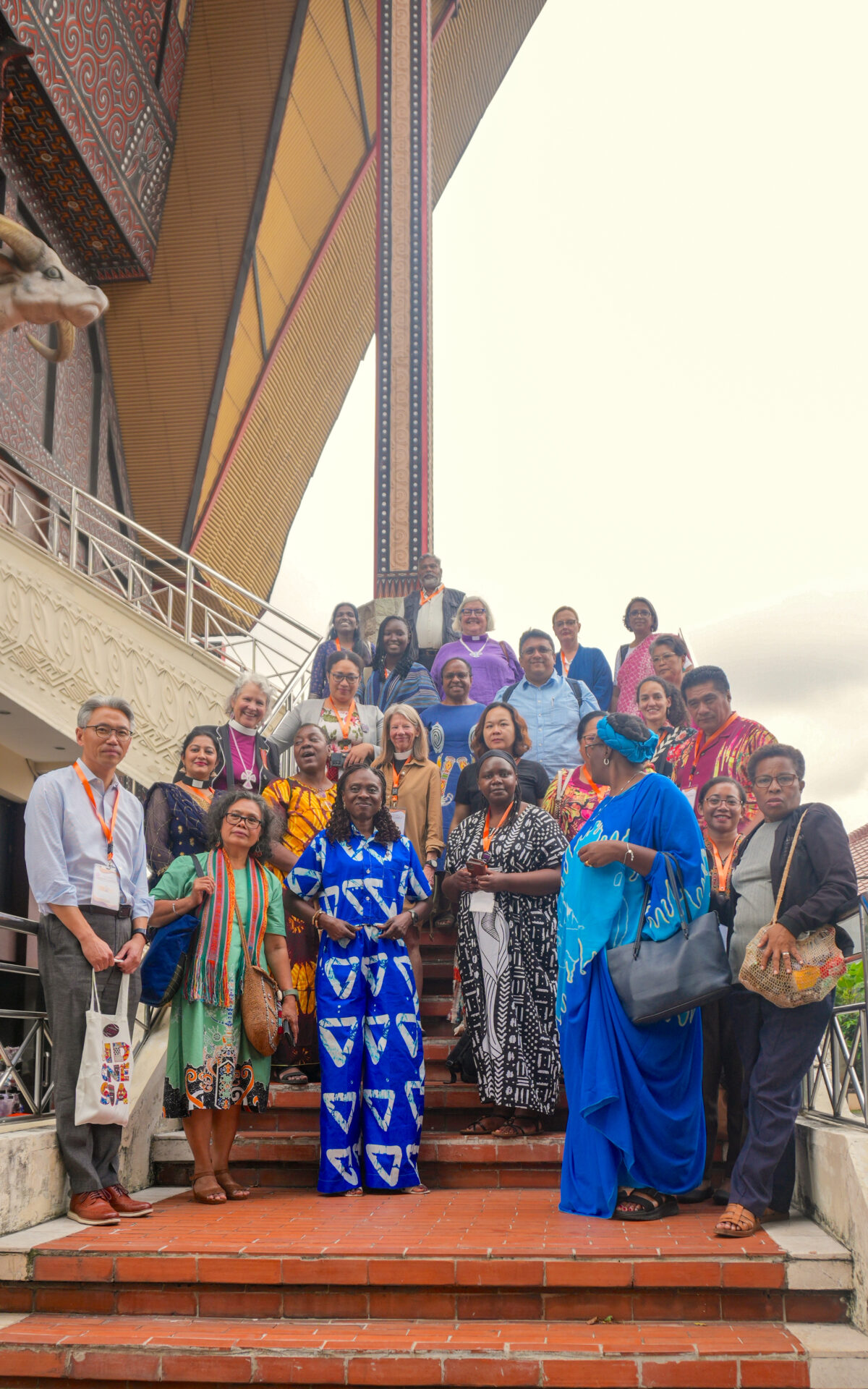
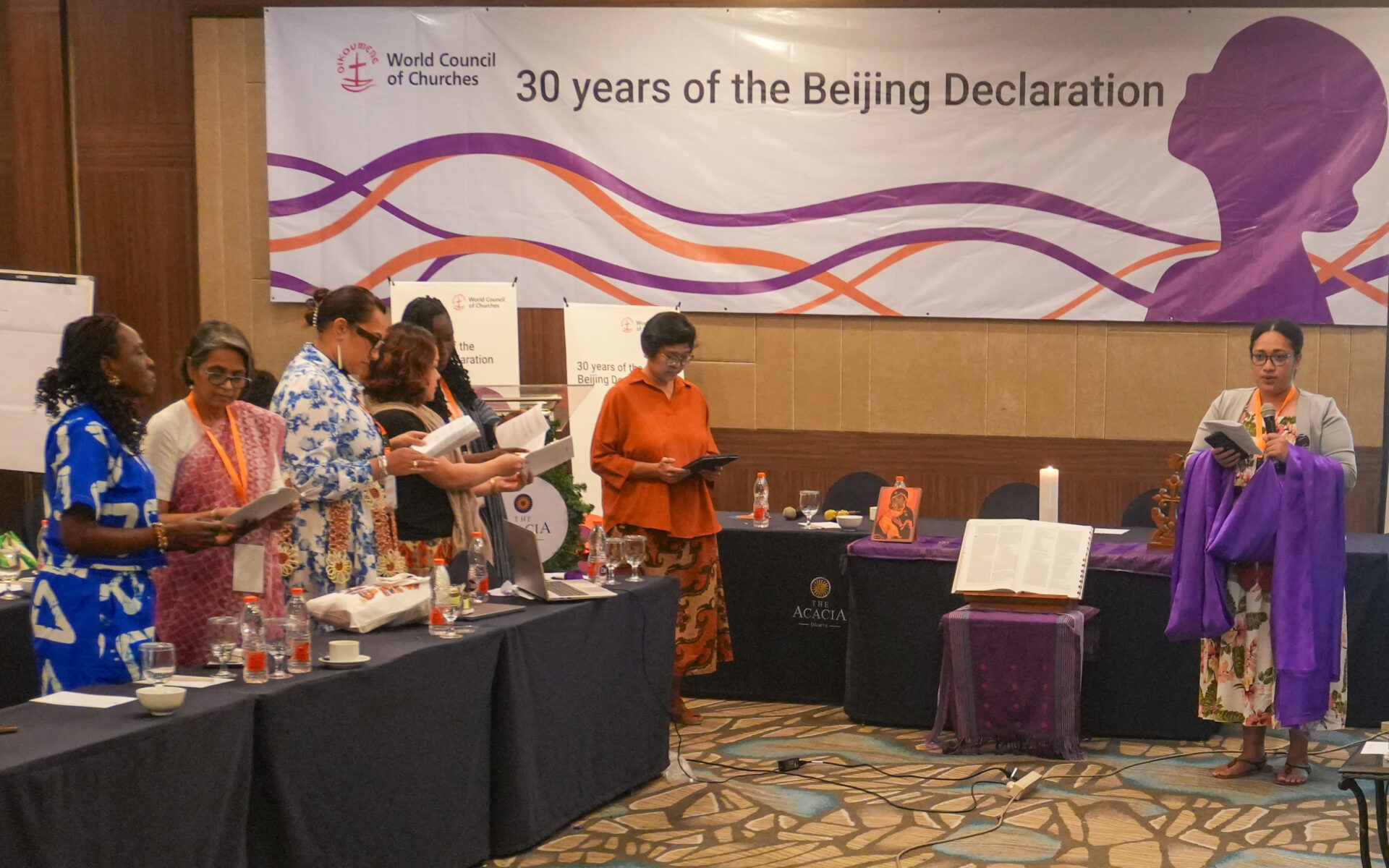
The World Council of Churches (WCC) concluded its Beijing 30+ Consultation on Sunday after three days of intensive dialogue, theological reflection and advocacy on gender justice.
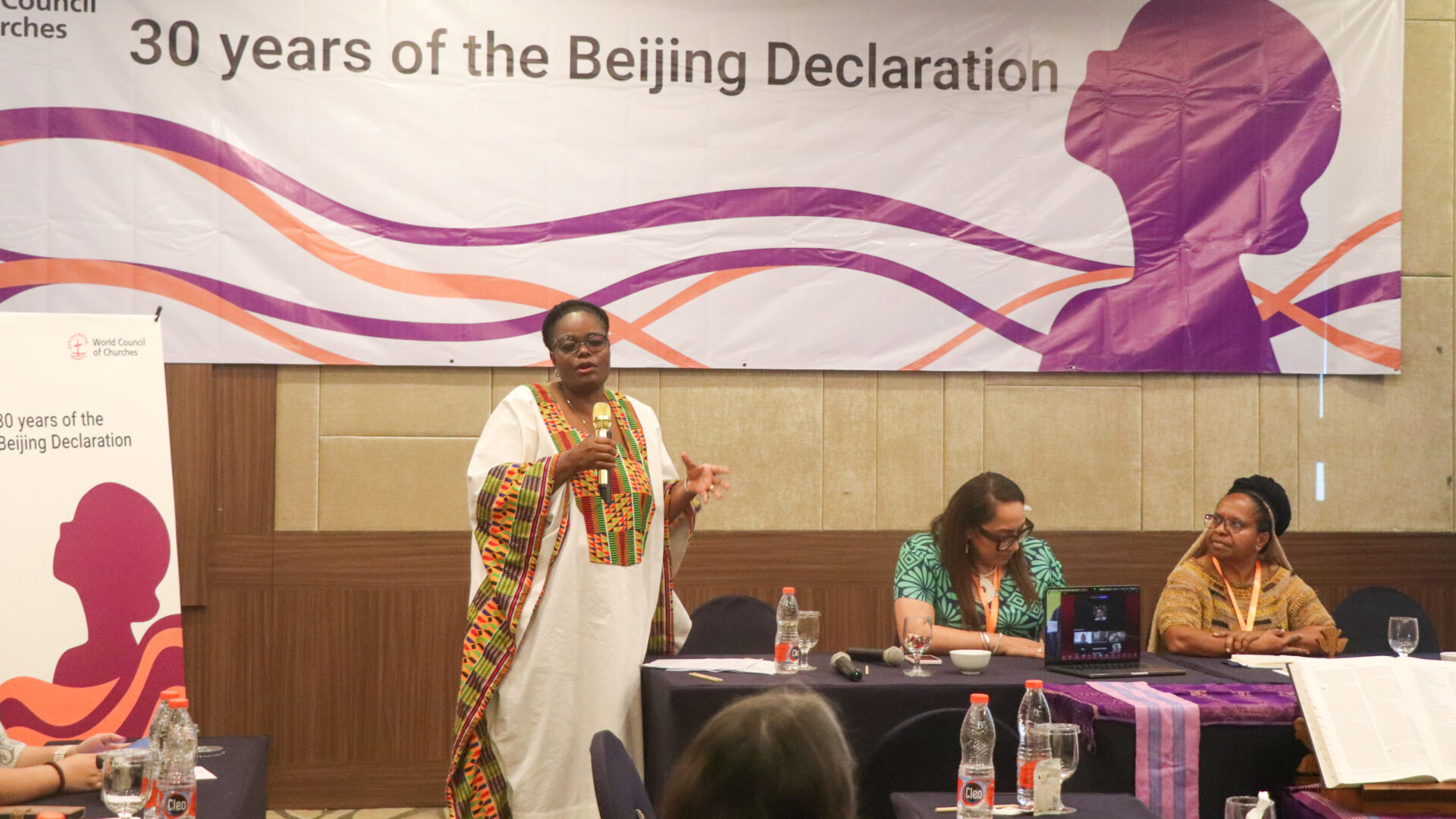
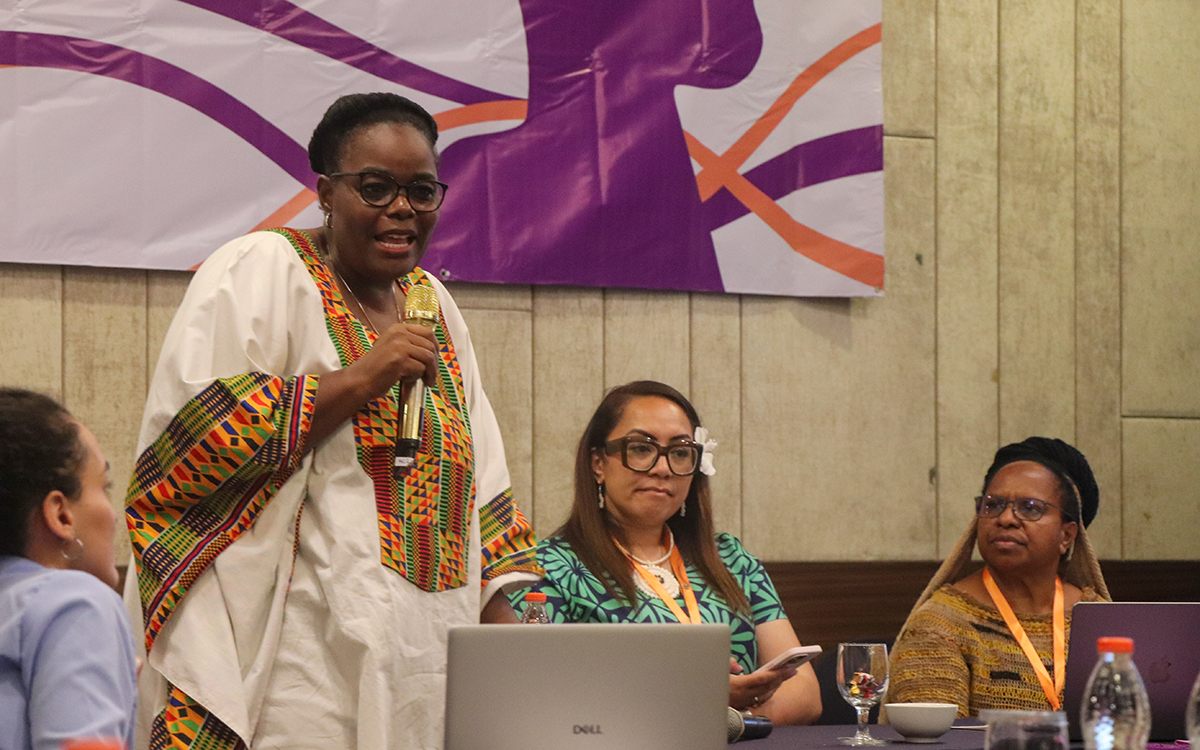
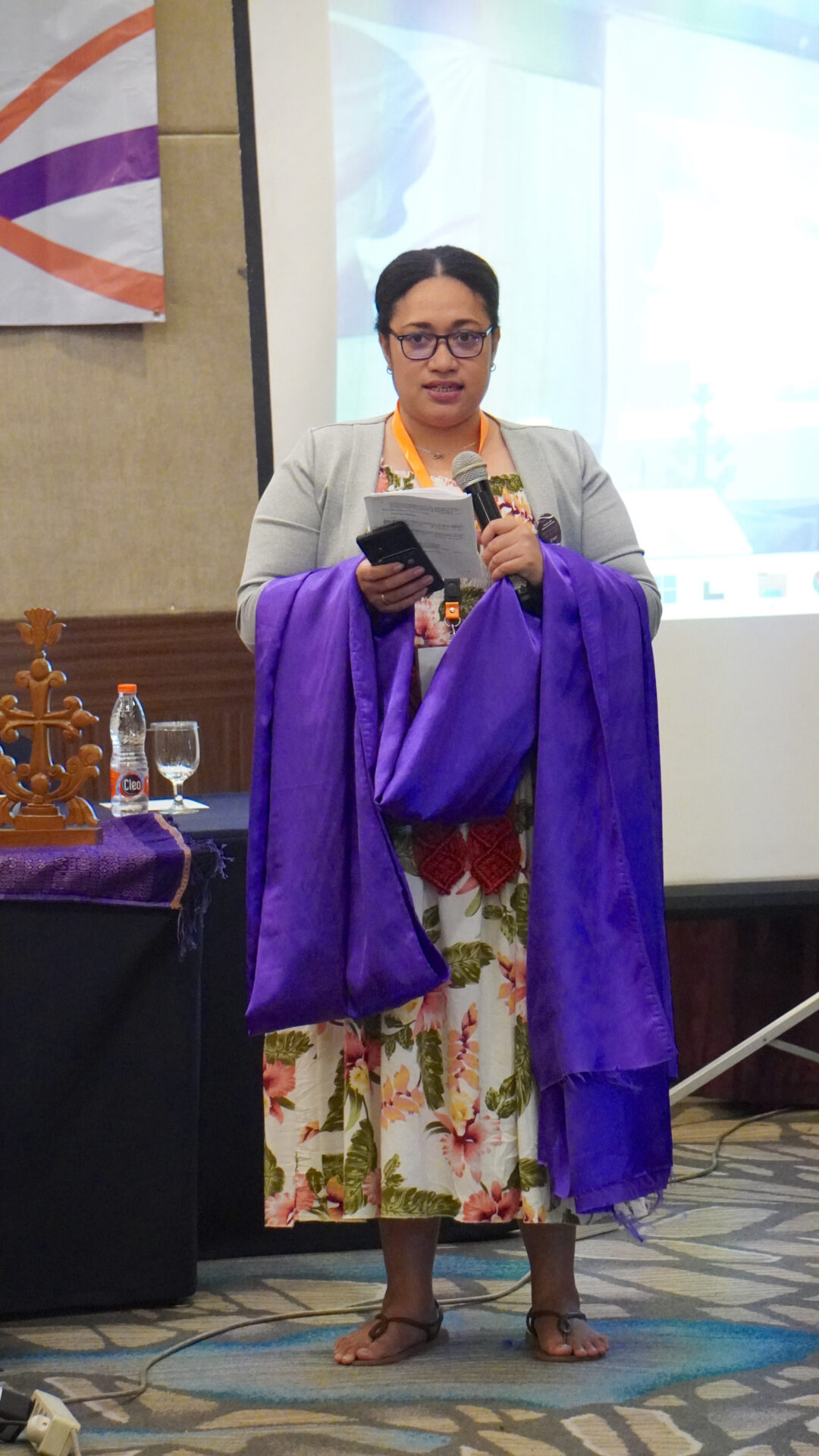
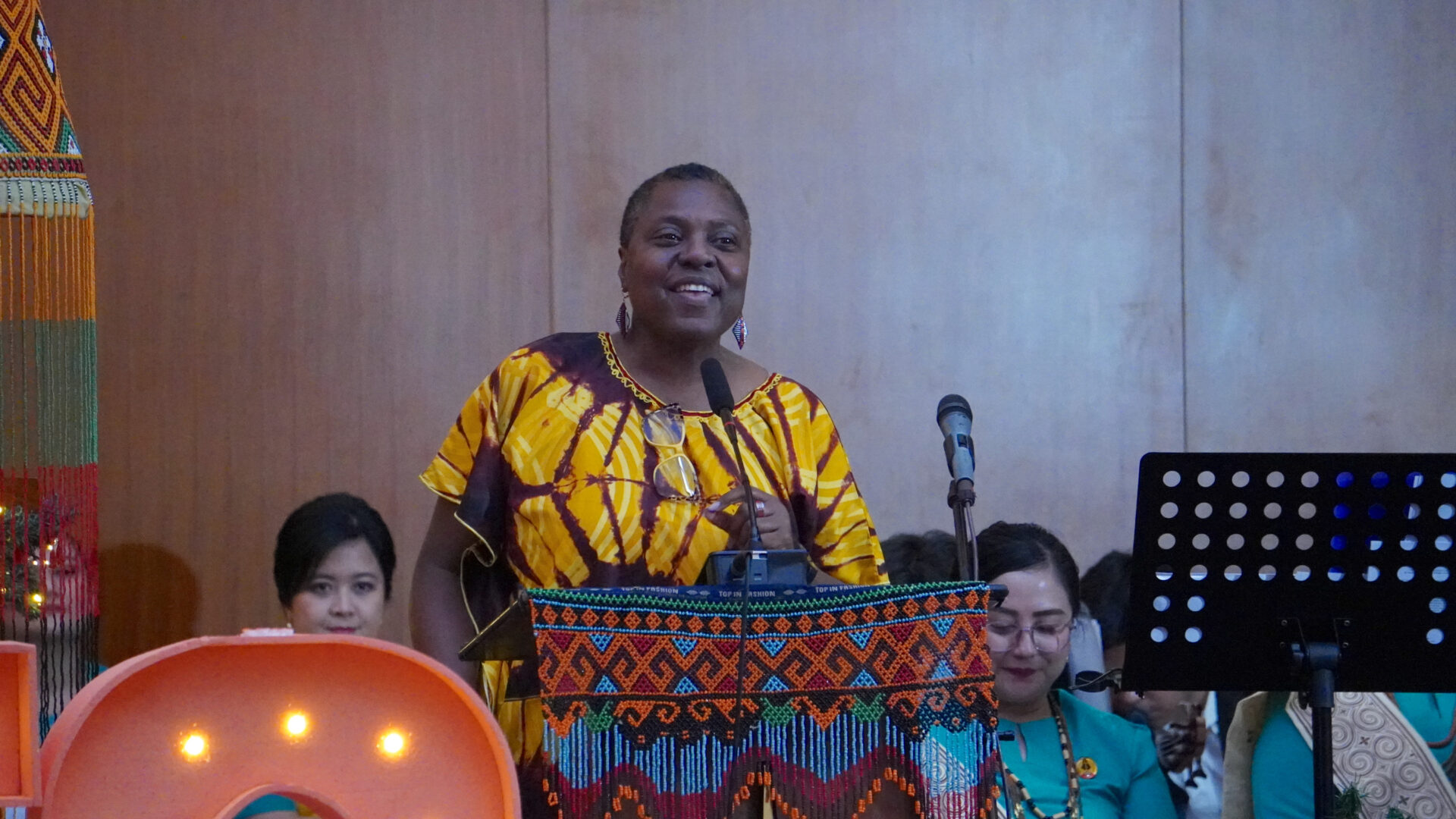
Held in Jakarta, Indonesia, the gathering brought together leaders from across Asia and the Pacific, including Uniting Church in Australia President Rev Charissa Suli, who participated in multiple panels and delivered the closing sermon.
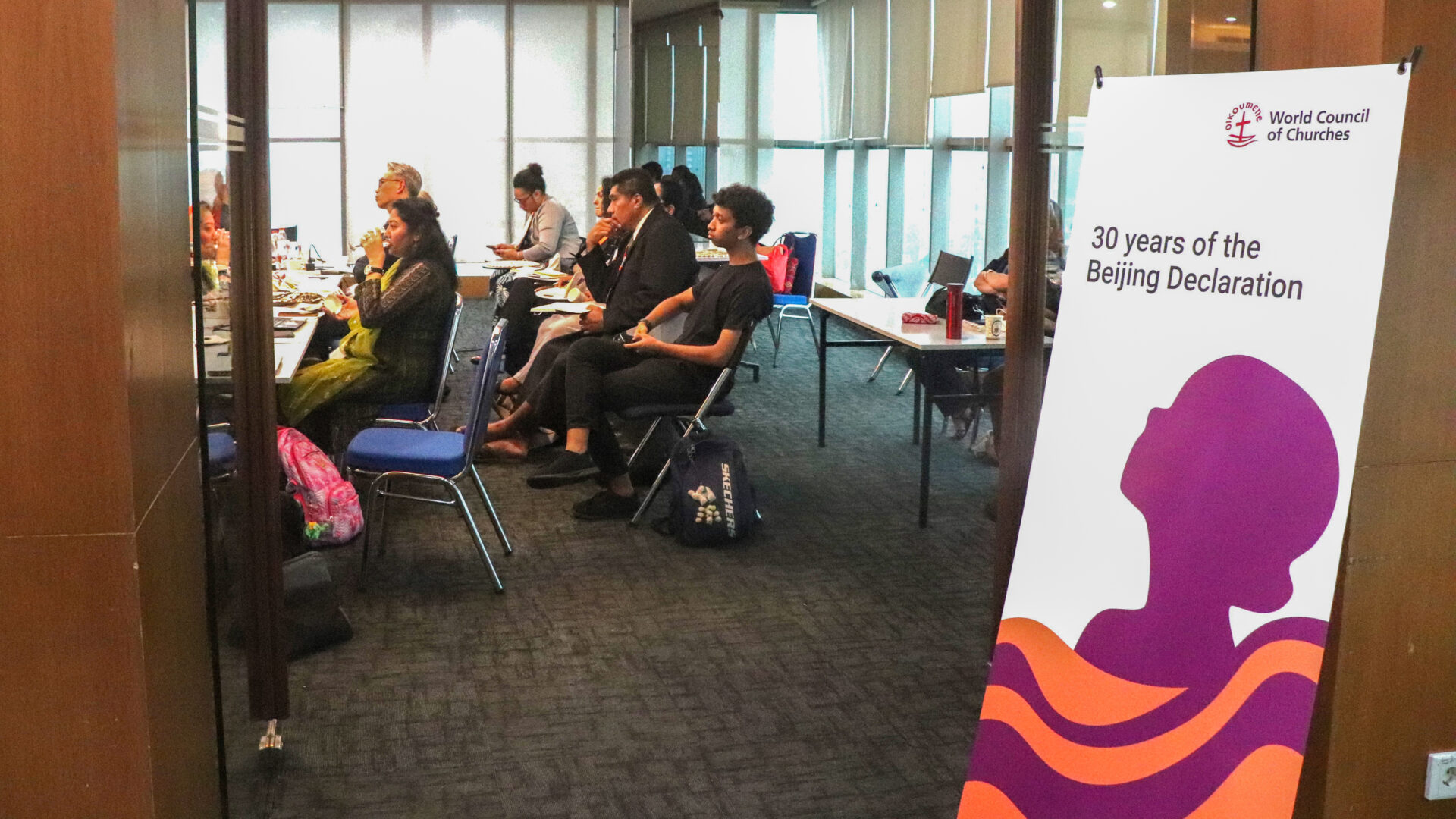
The consultation marked 30 years since the 1995 Beijing Platform for Action, a landmark framework for advancing the rights and empowerment of women and girls across 12 critical areas – from education and health to eliminating violence and promoting economic opportunity. The Jakarta meeting aimed to assess progress, identify ongoing challenges, and shape a coordinated ecumenical response for the decade ahead.
Day 1: Inequities Highlighted and Urgent Need for Action
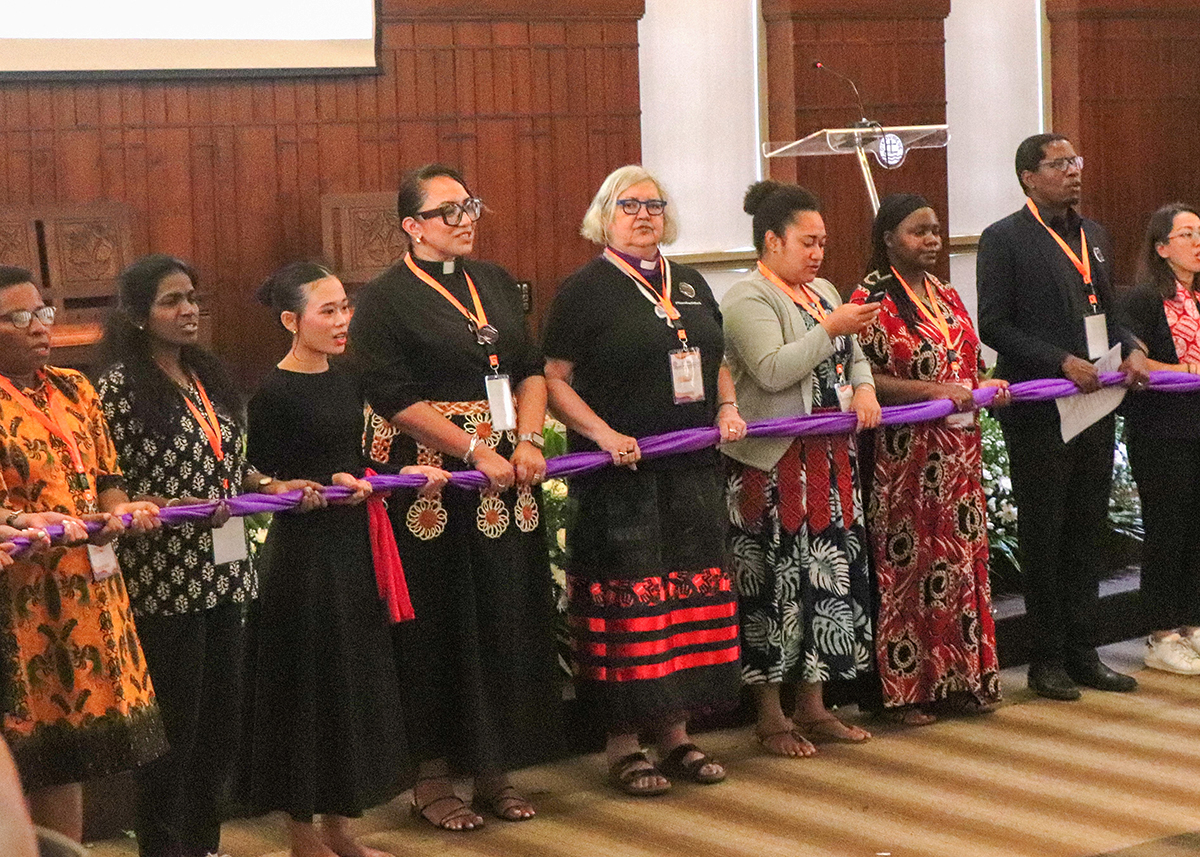
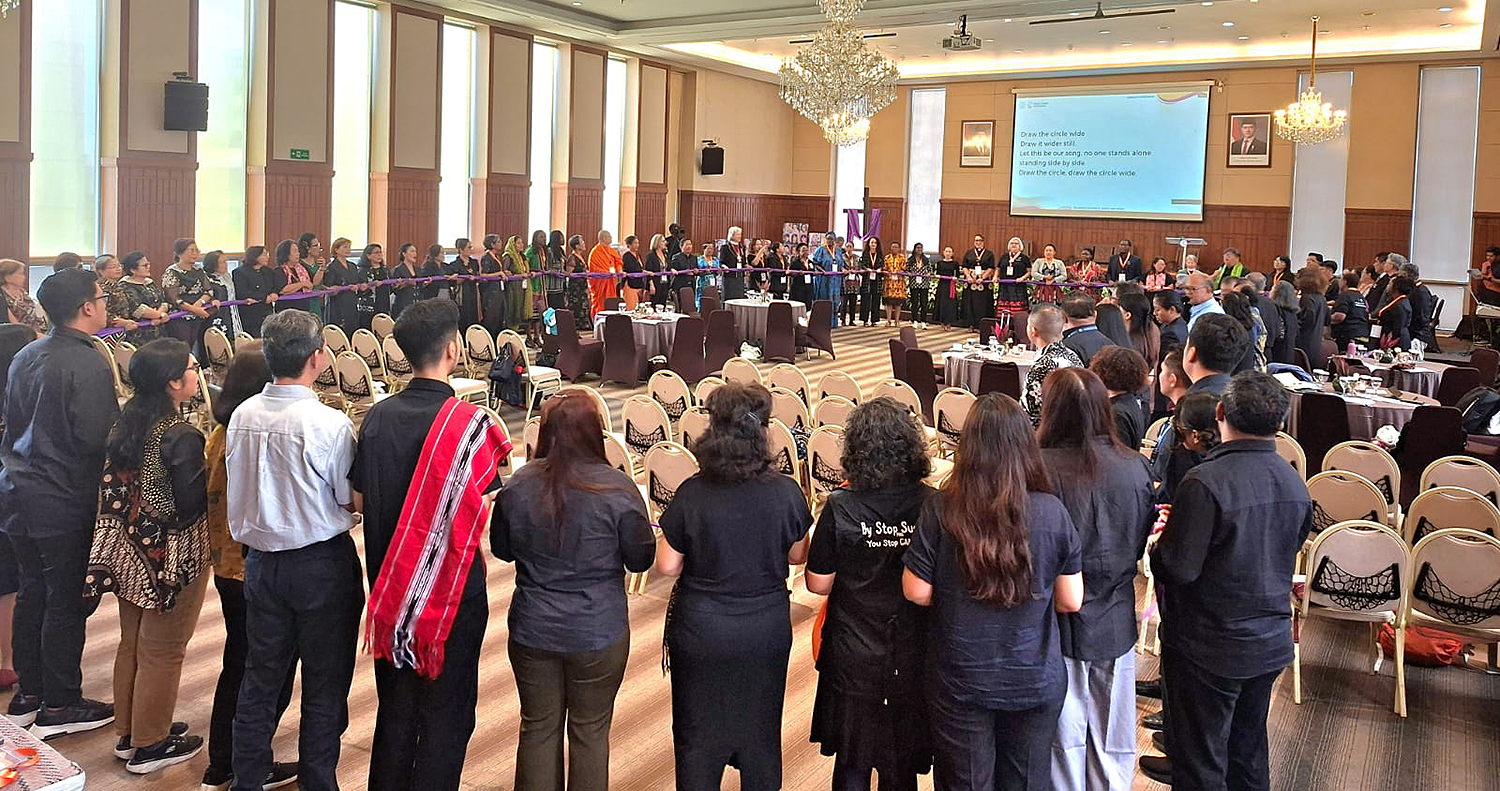
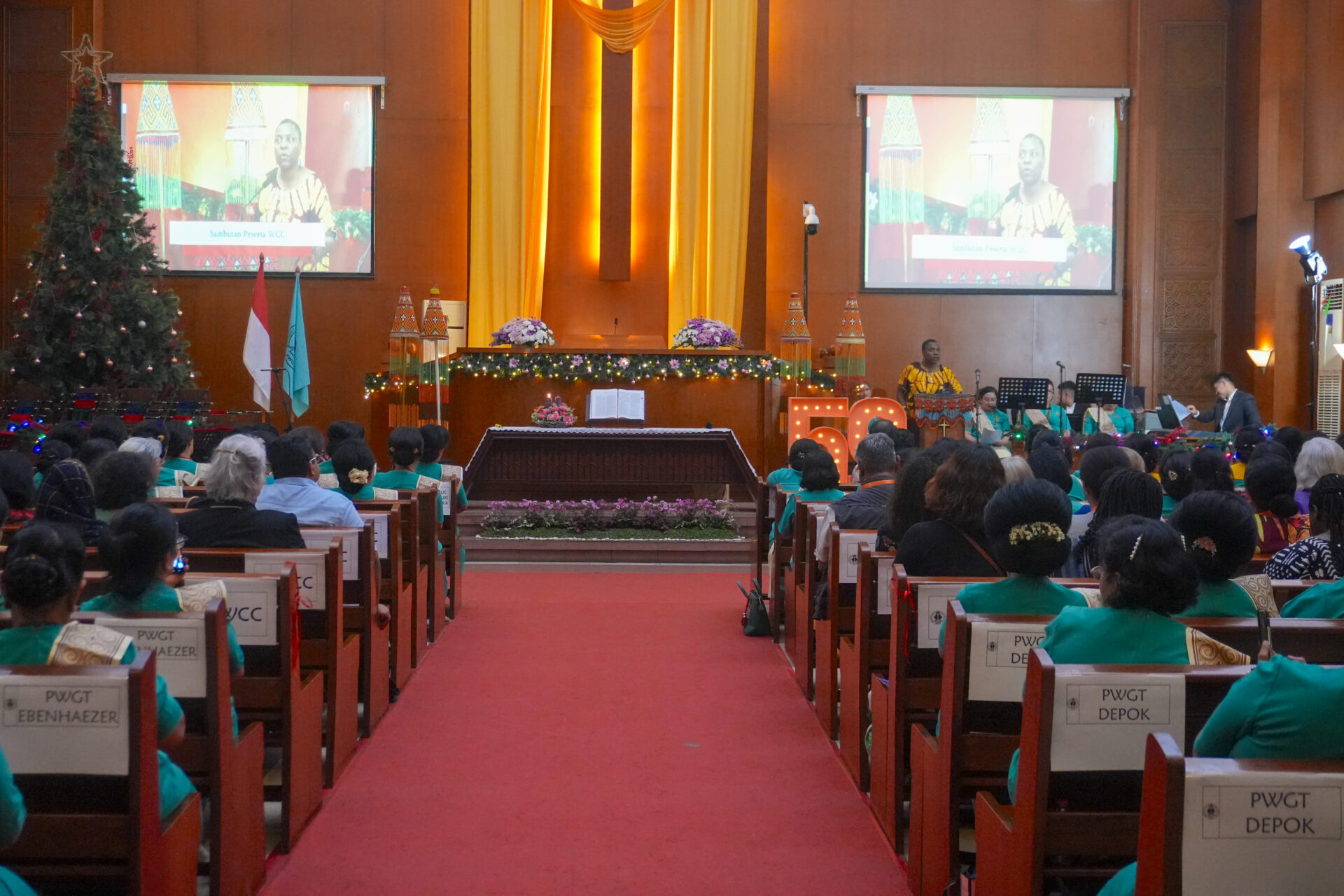
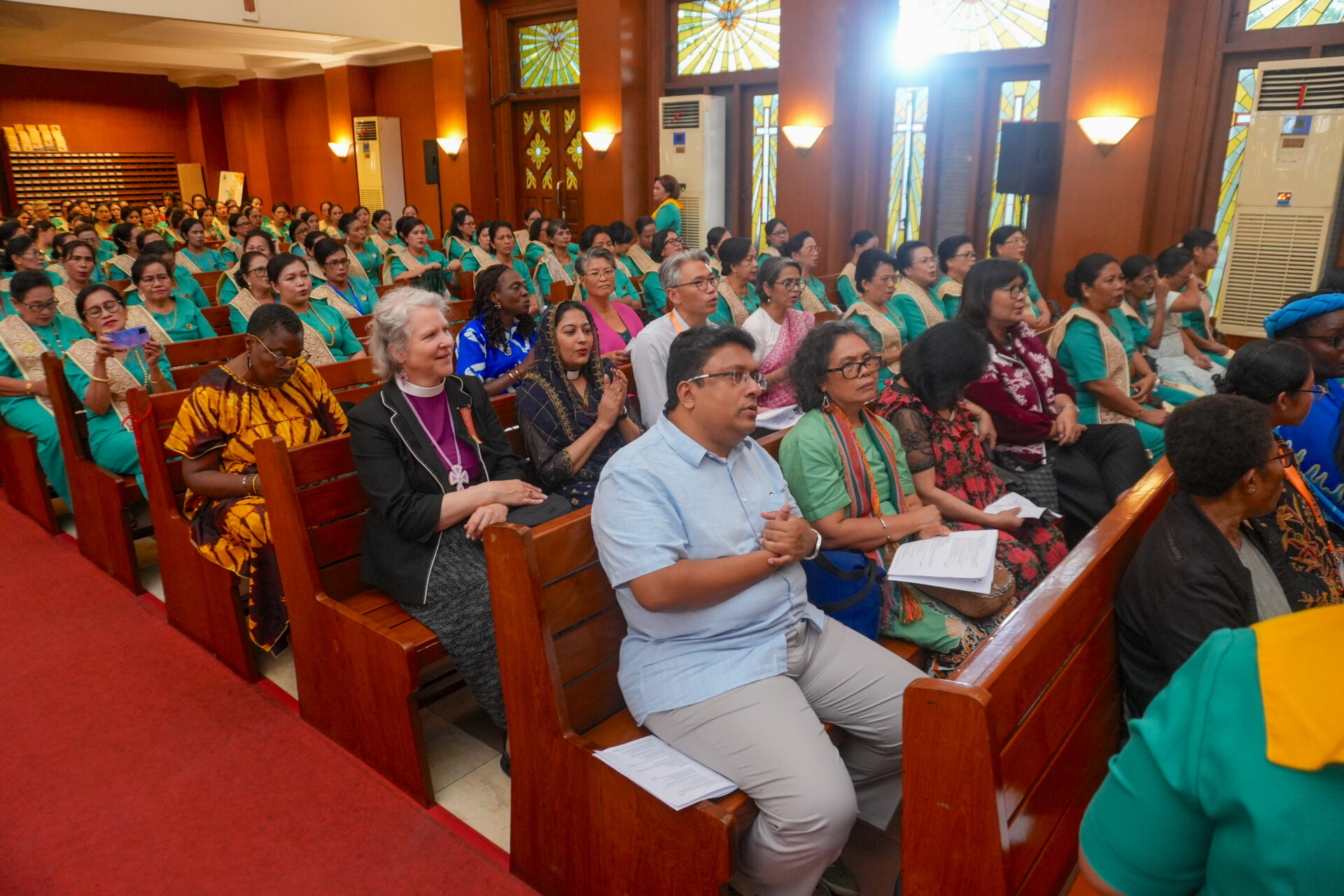
The first day opened with a worship service drawing on Indonesian symbols of lament and resilience. A cross draped in purple, Psalm 113 opened at the centre of the communion table, and visual artworks depicting women’s survival created a reflective atmosphere for participants. During the service, delegates joined hands with purple ribbons in a gesture that Rev Suli described as “a circle of truth and tenderness,” honouring women facing discrimination, violence, and structural injustice.
The morning’s thematic session, led by representatives from Amnesty International and Legal Aid Jakarta, outlined the growing pressures on women human rights defenders, including shrinking civic space, intensified surveillance, and the rapid adaptation of patriarchal systems. Presenters emphasised that in many regions, legal reforms have stalled while authoritarian and discriminatory practices continue to evolve.
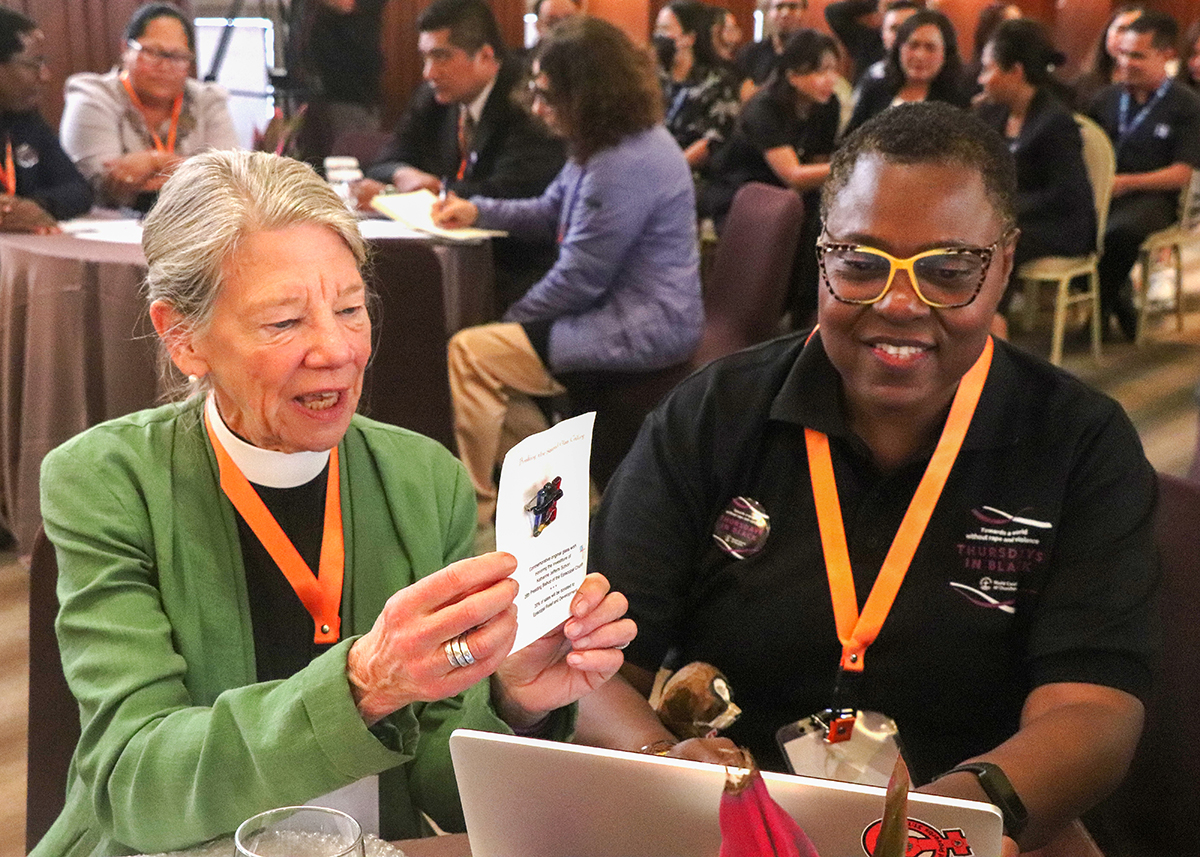
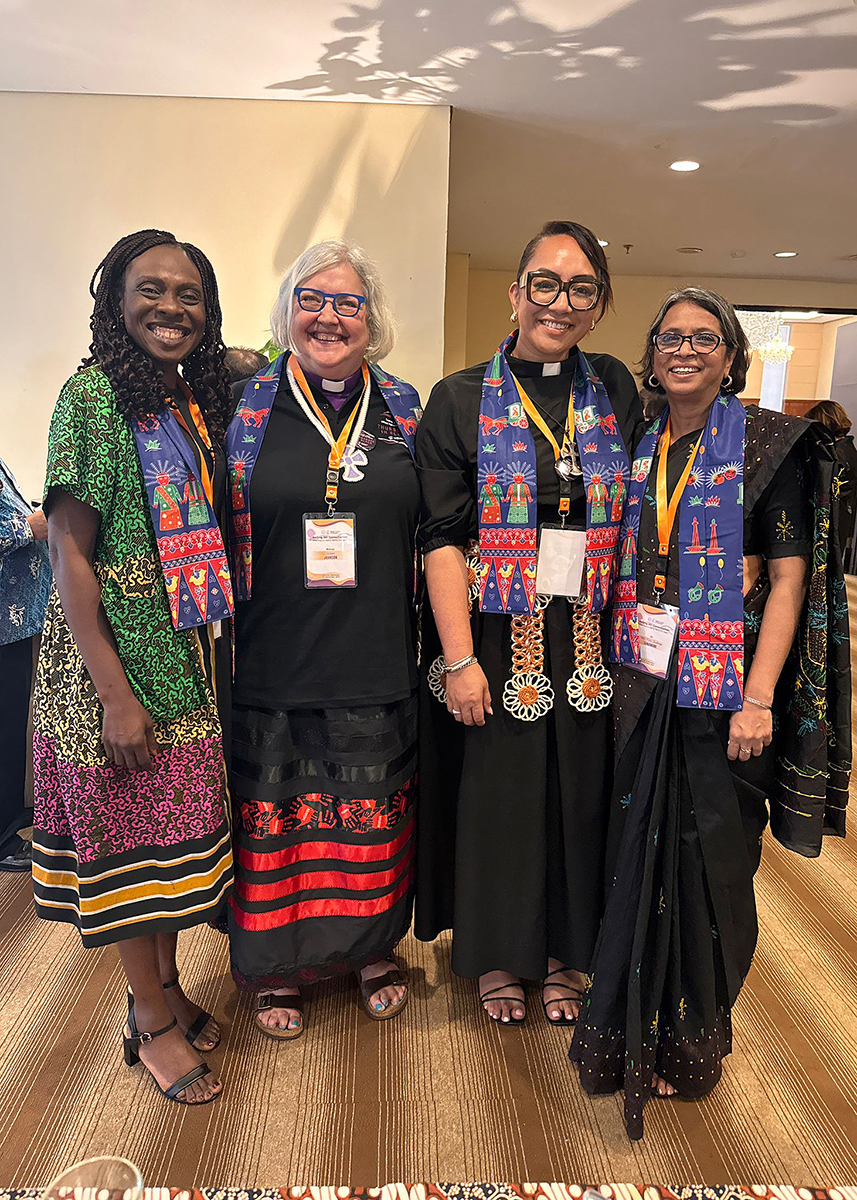
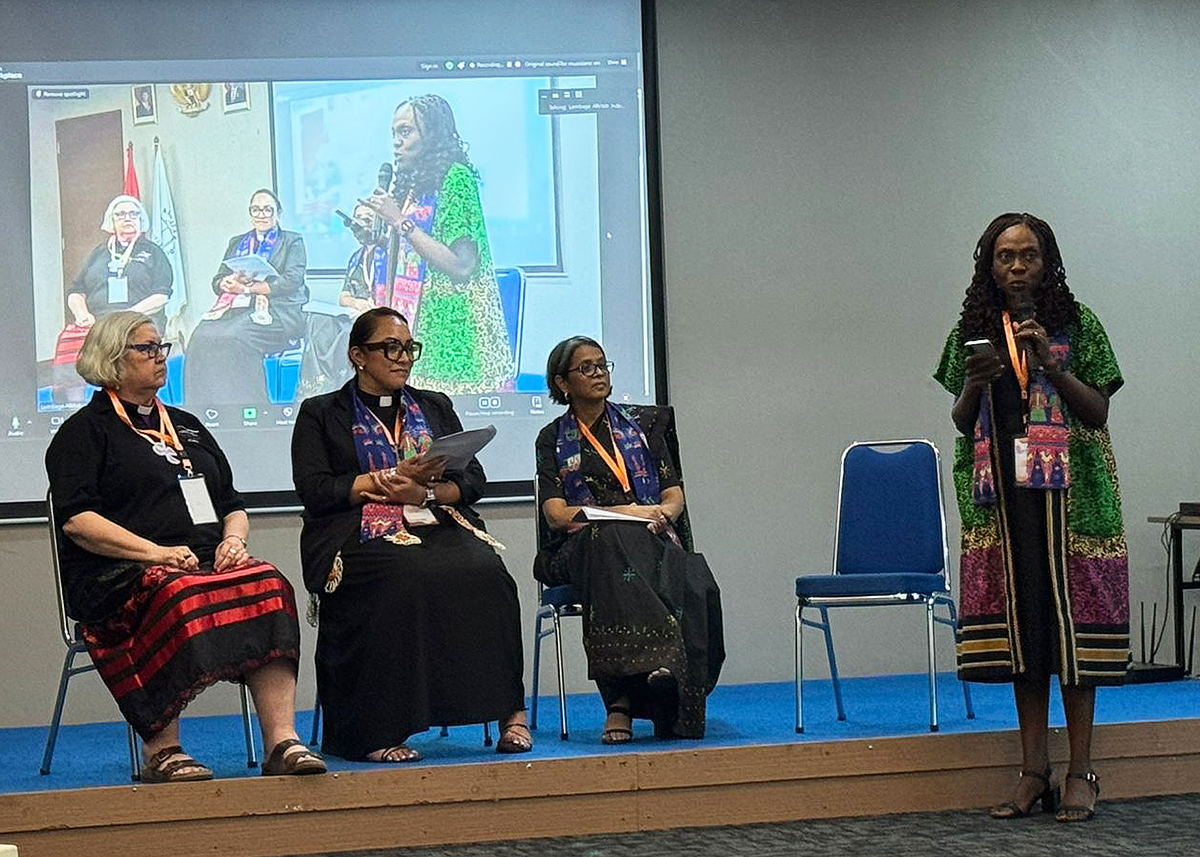
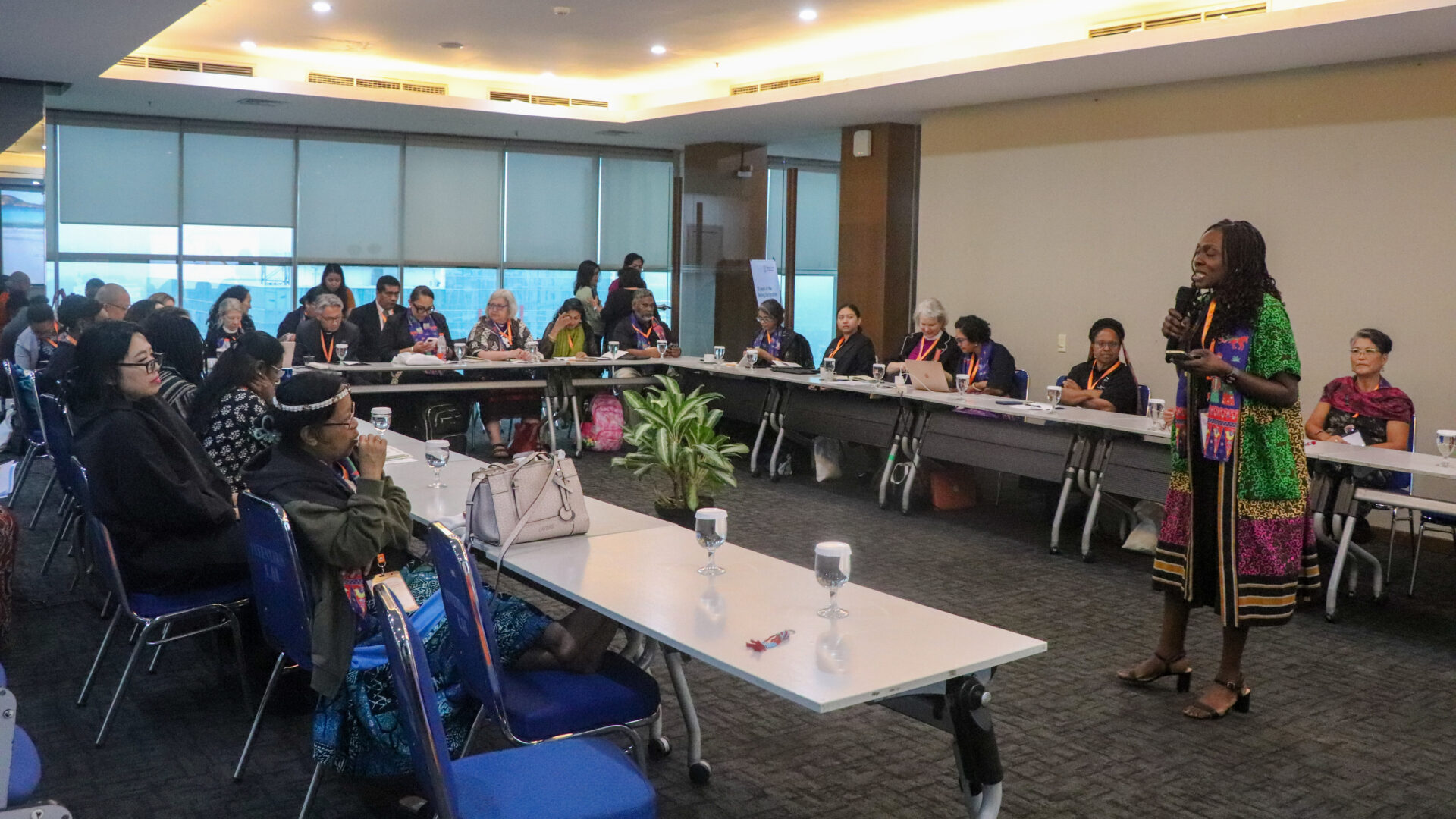
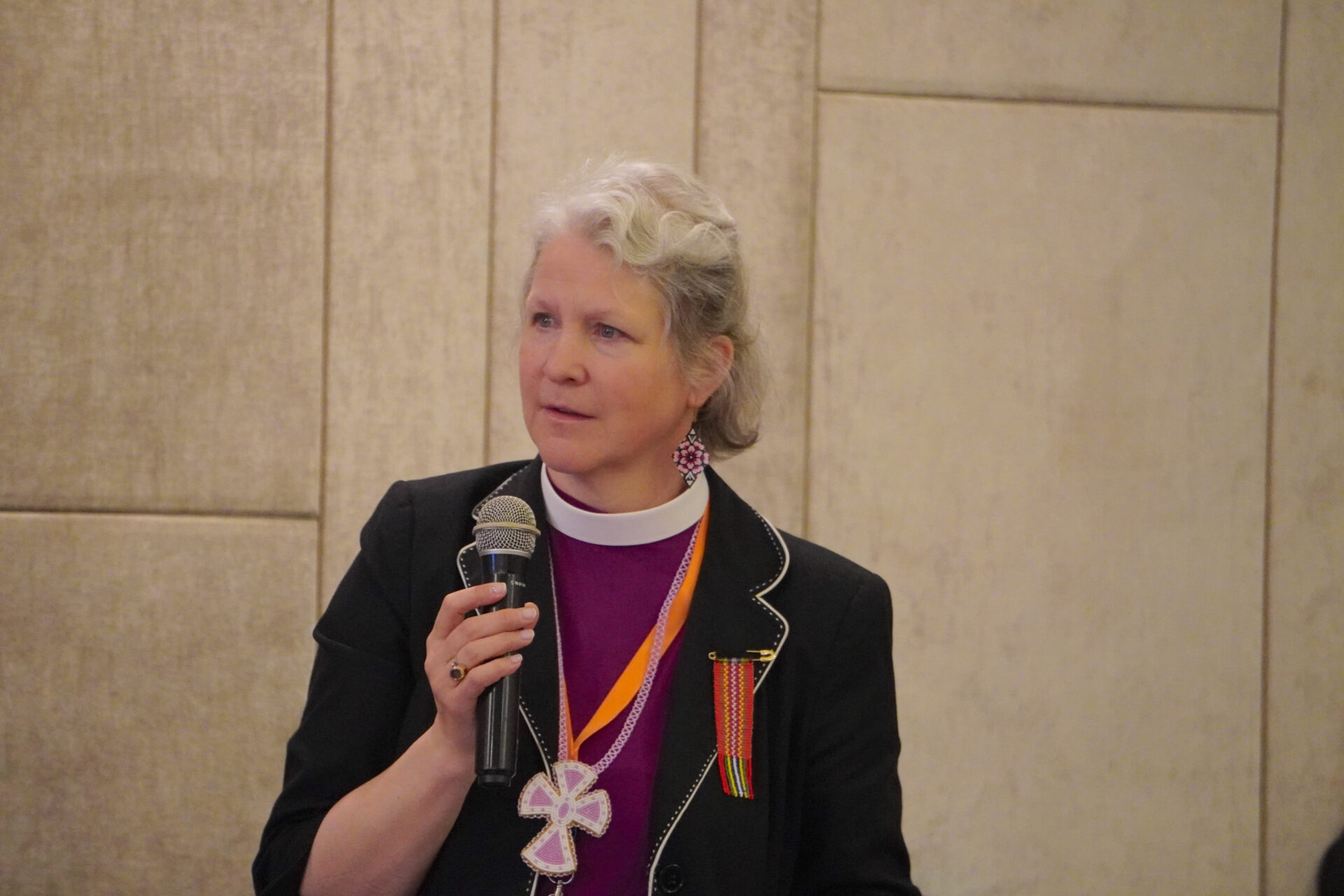
Later in the day, Rev Suli joined Bishop Susan Johnson and Dr Ella Sonawane in a panel examining women’s economic empowerment and leadership. She told delegates that reflection alone was insufficient. “If Beijing 30+ is only about reflection, then we have failed,” she said. “Solidarity without action is sentiment. Solidarity with action becomes transformation.” She noted that representation matters, especially for women of colour. “My presence here – as a brown Pacific woman leading a national church – matters for women who still have no platform in their own churches and country.”
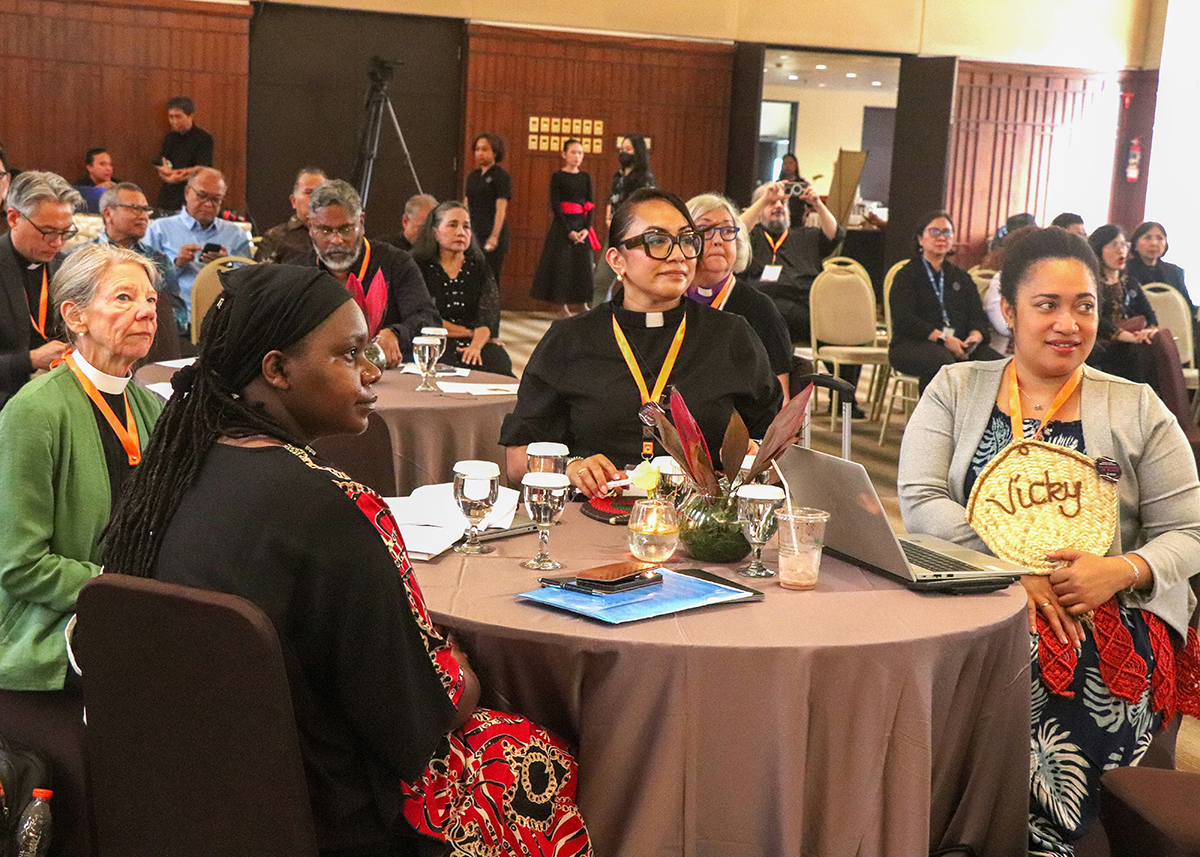
Day 2: Testimonies from the Margins Shape Discussions
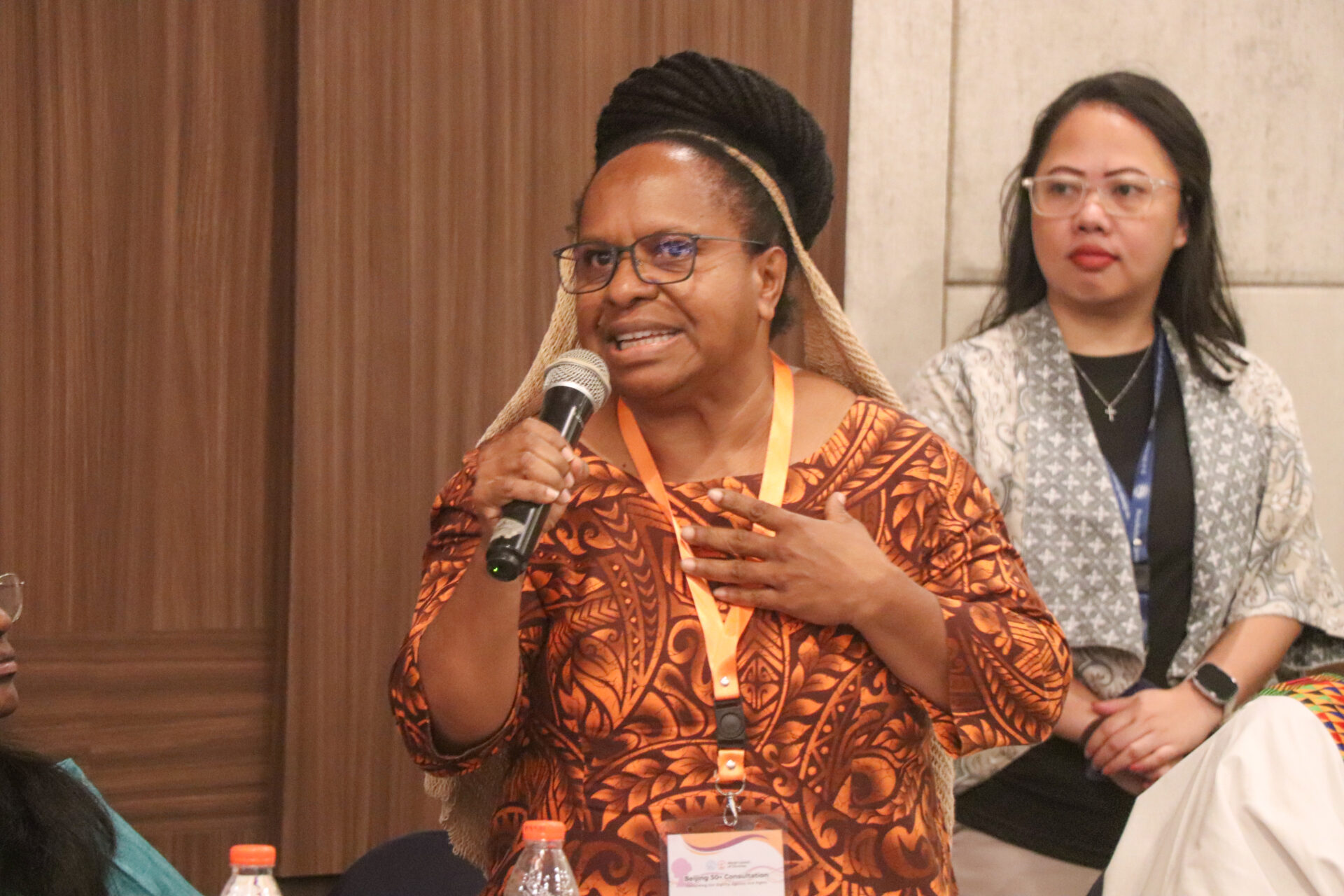
The second day’s focus was on countering violence, peacebuilding, and Indigenous wisdom. Rev Suli served as a guide for the panel conversation, emphasising the need for safe spaces where marginalised women can speak “with dignity and theological authority”.
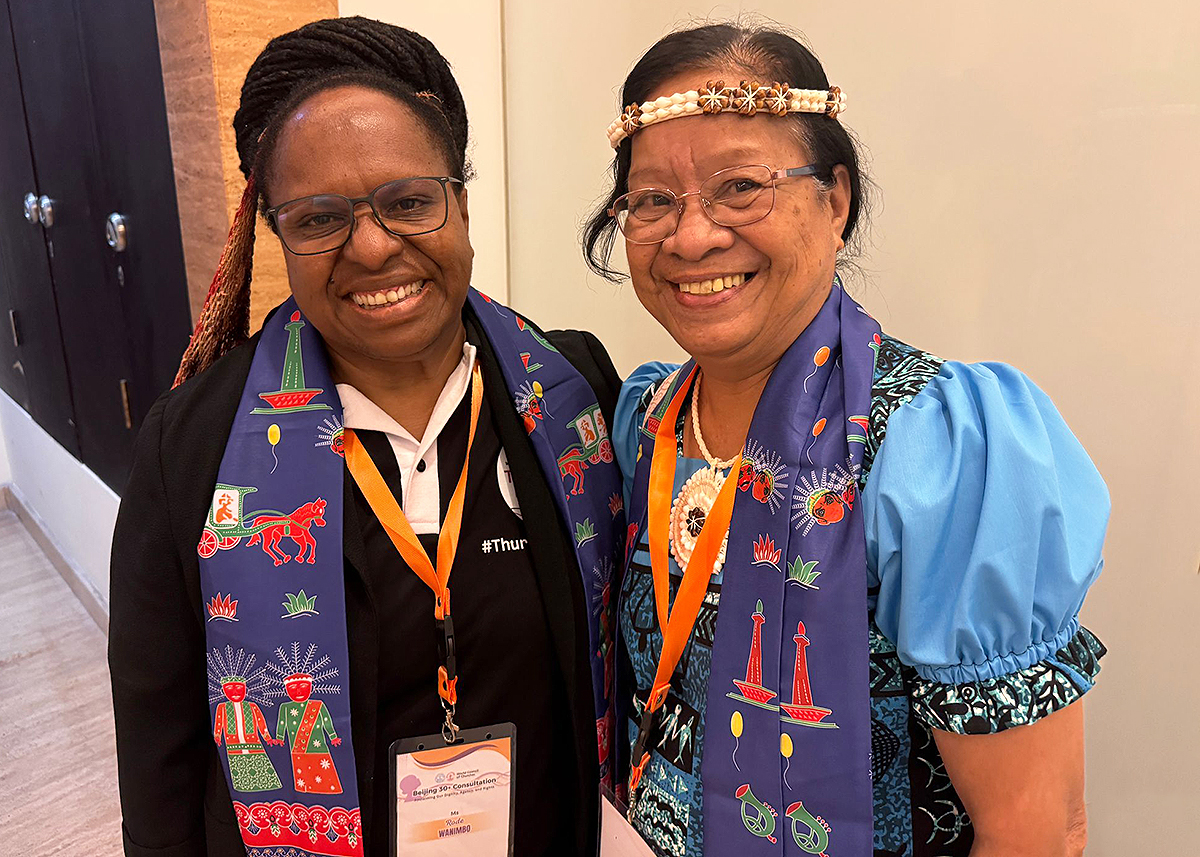
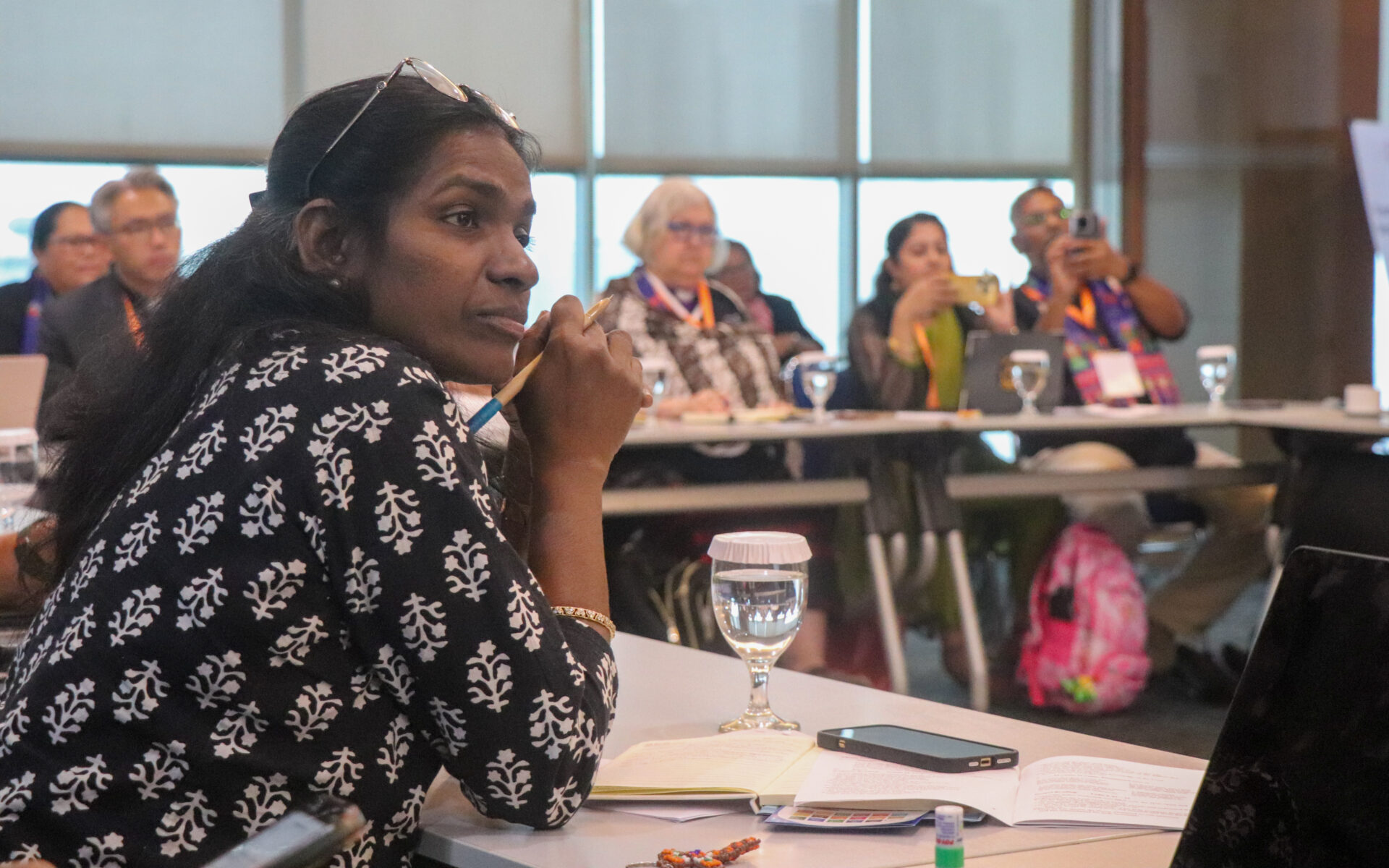
Delegates heard testimonies from West Papua, Kenya, India, Indonesia and across the Pacific, many detailing systemic violence, cultural erosion, and the resilience of communities facing structural injustice. A statement from the Marshall Islands drew particular attention, outlining the existential threats posed by rising sea levels, climate displacement, and the long-term impacts of nuclear testing. The speaker urged faith communities to recognise climate justice as a moral imperative. “This is not a political agenda,” she said. “It is about protecting life itself.”
Rev Suli said these testimonies reinforced the Uniting Church’s commitments to walking in Covenant with First Peoples, strengthening partnerships with Pacific churches, amplifying women’s leadership, and advocating for climate and gender justice. She highlighted a key insight emerging from the sessions: that the church is not only engaged in diakonia (service) but embodies it. This, she said, challenges churches to ground their public witness in the experiences of those at the margins.
Stories shared throughout the day – ranging from Korean survivors of violence to West Papuan women resisting militarisation – demonstrated both the global nature of gender injustice and the central role of faith communities in addressing it.
Day 3: Jakarta Declaration issued
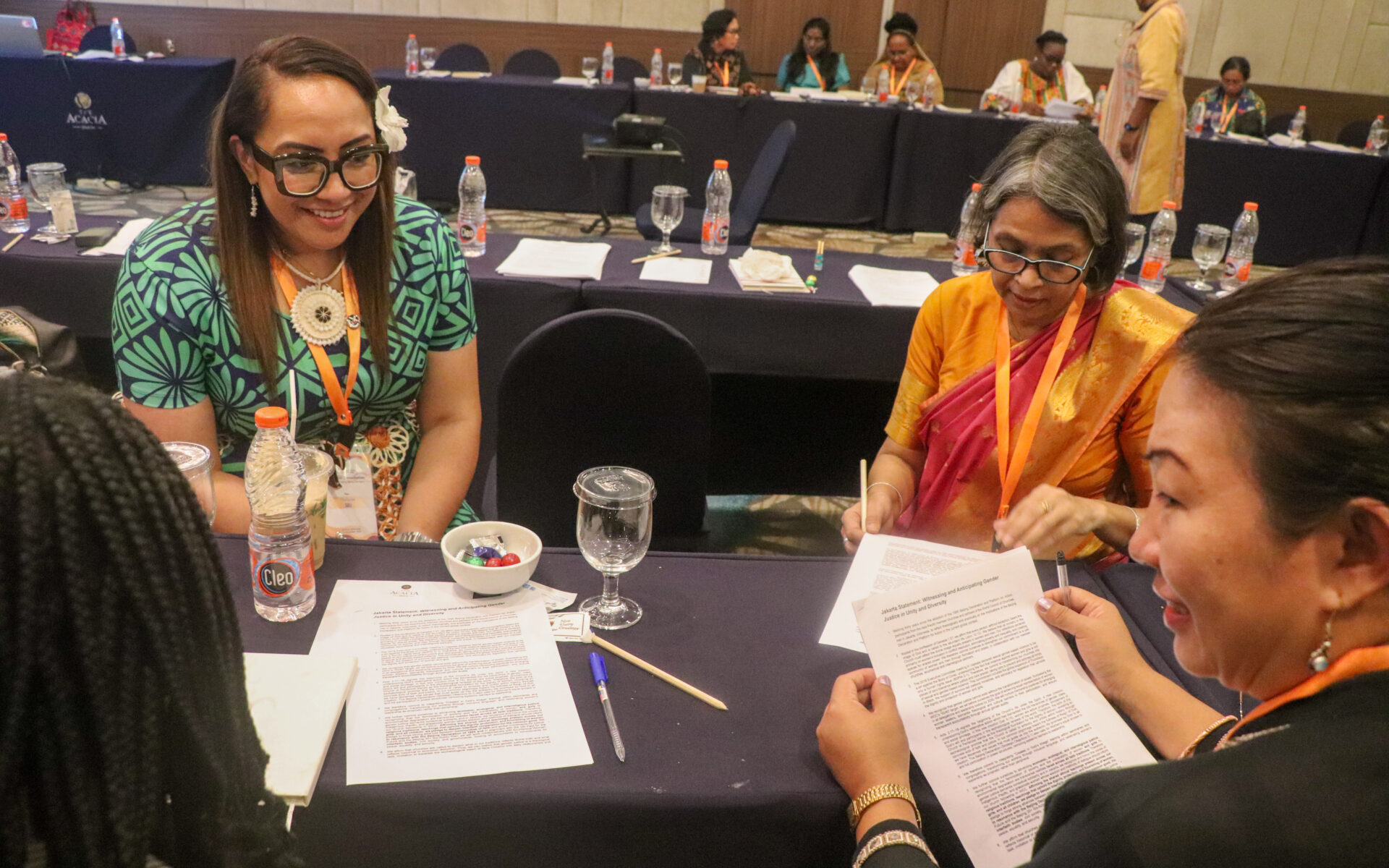
The consultation concluded with the release of the “Jakarta Declaration 2025: Witnessing and Anticipating Gender Justice in Unity and Diversity,” outlining commitments for the WCC and its member churches over the next decade.
The declaration states that gender justice is impossible without the transformation of power structures and acknowledges that women and girls with disabilities face disproportionate barriers to participation, safety, and opportunity. It commits the WCC to ensuring equal representation of women in all delegations and leadership bodies by 2030, and to making worship spaces and theological materials fully inclusive of women across ability, age, ethnicity, and culture.
The declaration emphasises the feminisation of poverty and the increased vulnerability of women and girls to environmental degradation, caste-based violence, displacement, and conflict. It recognises the leadership of Indigenous, grassroots, and Pacific women, referencing the Marshall Islands’ testimony and the struggles of West Papuan women confronting militarisation and cultural erosion.
Echoing the Pacific Conference of Churches, the document asserts that gender justice in the Pacific cannot be separated from ecological justice, nuclear justice, decolonisation, and sovereignty. It calls for deeper interfaith cooperation and stronger alliances between churches and global justice movements.
“Churches must be proactive agents of healing and truth-telling, not silent in the face of injustice,” the declaration reads. It calls on all member churches to implement concrete local actions, invest in gender justice ministries, and integrate these commitments into governance, formation, pastoral care, and public witness.
The consultation ended with a collective pledge to “walk together in courage and solidarity, reclaiming the future God intends – a future where justice is lived, healing is embodied, and all creation flourishes”.
Subscribe to our newsletter
If you want to get the latest news from the Uniting Church in Australia then subscribe to our weekly newsletter delivered to your inbox.
More news from the Assembly
Celebrations and stories of healing in Alice Springs
Stories of Healing: Alice Springs marks 100 years of Adelaide House and 70 years of the John Flynn Memorial ChurchIn the red centre of Australia, members of the Uniting Church community gathered on 12–13 September to honour two milestones of faith, care and resilience: the centenary of Adelaide House and 70 years of the John…
Pacific women call for climate action that begins with their communities
Pacific women call for climate action that begins with their communities From Tuvalu, Pacific women are calling on world leaders to listen deeply, strengthen community leadership and pursue climate action grounded in local experience and wisdom.For the women who gathered in Tuvalu this September, climate justice reaches into the everyday work of keeping communities safe.…
Bearing witness to Palestinian Christian voices
Bearing witness to Palestinian Christian voicesAs World Week for Peace in Palestine and Israel takes place this week, the Uniting Church is invited to listen, pray and stand in solidarity with communities longing for peace and justice. In July this year, the Uniting Church hosted two Palestinian Christians as part of the “Bearing Witness: Palestinian…
President’s Prayer for the UN International Day of Peace
President’s Prayer for the United Nations International Day of Peace The United Nations International Day of Peace, commemorated on 21 September, brings people around the world together to reflect on the urgent work of building and sustaining peace. The 2026 theme, “Invest in Peace – For Everyone, Everywhere, Every Day” highlights that peace is…
Come, Taste and See: Feast of Faith 2026
Come, Taste and See: Feast of Faith 2026 Young adults and emerging leaders gathered for this year’s Feast of Faith, discovering God’s goodness through worship, fellowship, storytelling and shared cultural experiencesEarlier this month, second-generation young adults and emerging leaders from intercultural communities across the Uniting Church gathered in Merricks, Victoria for Feast of Faith 2026.…
Lay Preachers gather to share in weaving Christ’s love
Lay Preachers gather to share in weaving Christ’s loveMore than 40 Lay Preachers, worship leaders and church members from across Australia gathered in Naarm/Melbourne from 4–6 September for the National Lay Preachers’ Conference. Hosted by the Lay Preachers’ Association of Victoria and Tasmania with Pilgrim Theological College, the triennial conference was…
Pilgrims of Peace, Trust and Hope
Pilgrims of Peace, Trust and Hope Last week, President-elect Rev Dr Paul Goh gathered with the global ecumenical community to discuss the Church’s role in speaking for peace, justice and hope amid the wounds of divisionSubscribe to our newsletterIf you want to get the latest news from the Uniting Church in Australia then subscribe to…
Listening at the lingual frontier
Listening at the lingual frontier Subscribe to our newsletter If you want to get the latest news from the Uniting Church in Australia then subscribe to our weekly newsletter delivered to your inbox. What does it mean to listen when the person we are seeking to relate to speaks a different first language,…